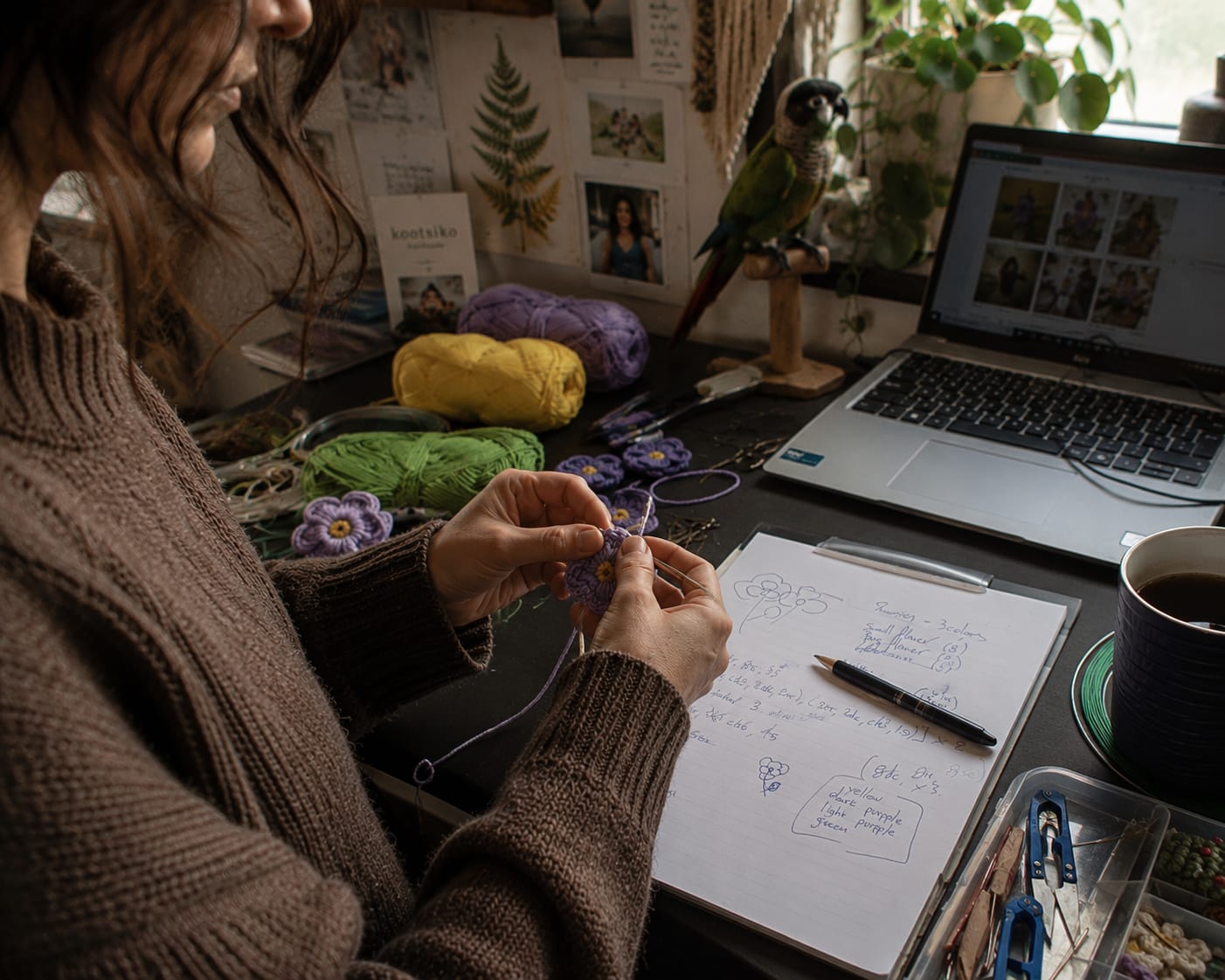
Every Kootsiko pattern starts in the same place: with yarn, a hook and an idea I’m not entirely sure will work yet.
Before a pattern becomes a PDF, an Etsy listing or one of those suspiciously tidy photos you see online, it exists on my desk. I design it, crochet it, unravel it, change it, crochet it again and eventually turn it into instructions that another crocheter can actually follow.
Because yes, there is a real person behind Kootsiko. Hi. 👋
1. It starts with an idea
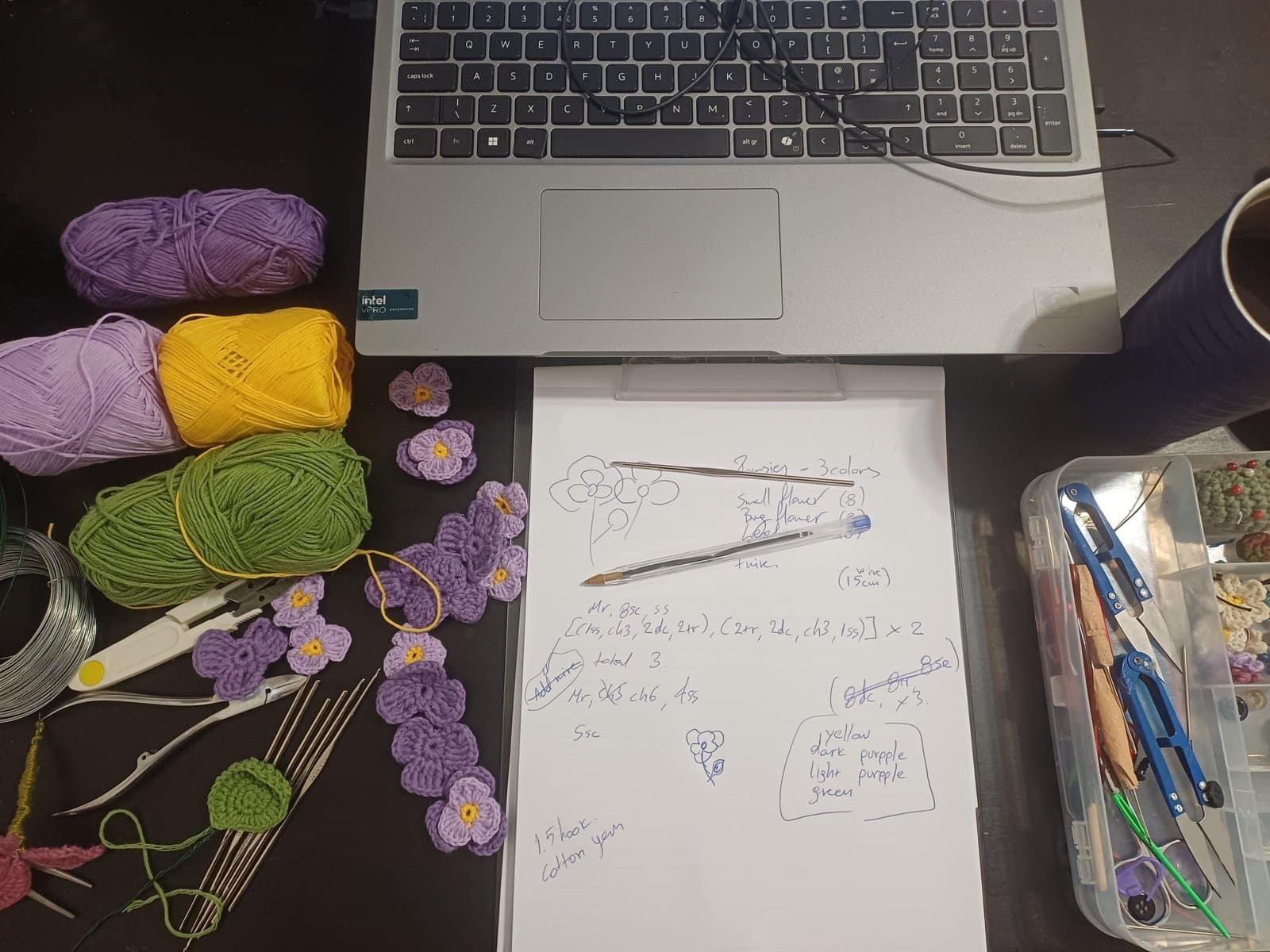
Sometimes the idea comes from a real flower I want to recreate in crochet. In the image above is my struggle to create the pansy pattern (fortunately, it turned out great!). Sometimes it comes from somewhere much stranger, like Discworld by Sir Terry Pratchett or pretty much anything by Tim Burton. 🙂
Which is how Kootsiko ended up with zombie lilies, skull poppies and flowers that look as though they might bite.
Then I have to figure out how that idea can actually be made with yarn. How should the petals be shaped? Which stitches will create the right curve? Does it need wire? How will the flower be assembled? Can I make it simpler without losing what makes the design interesting?
There isn’t a finished pattern at this point. There is just an idea and a hook.
2. Then comes the trial and error
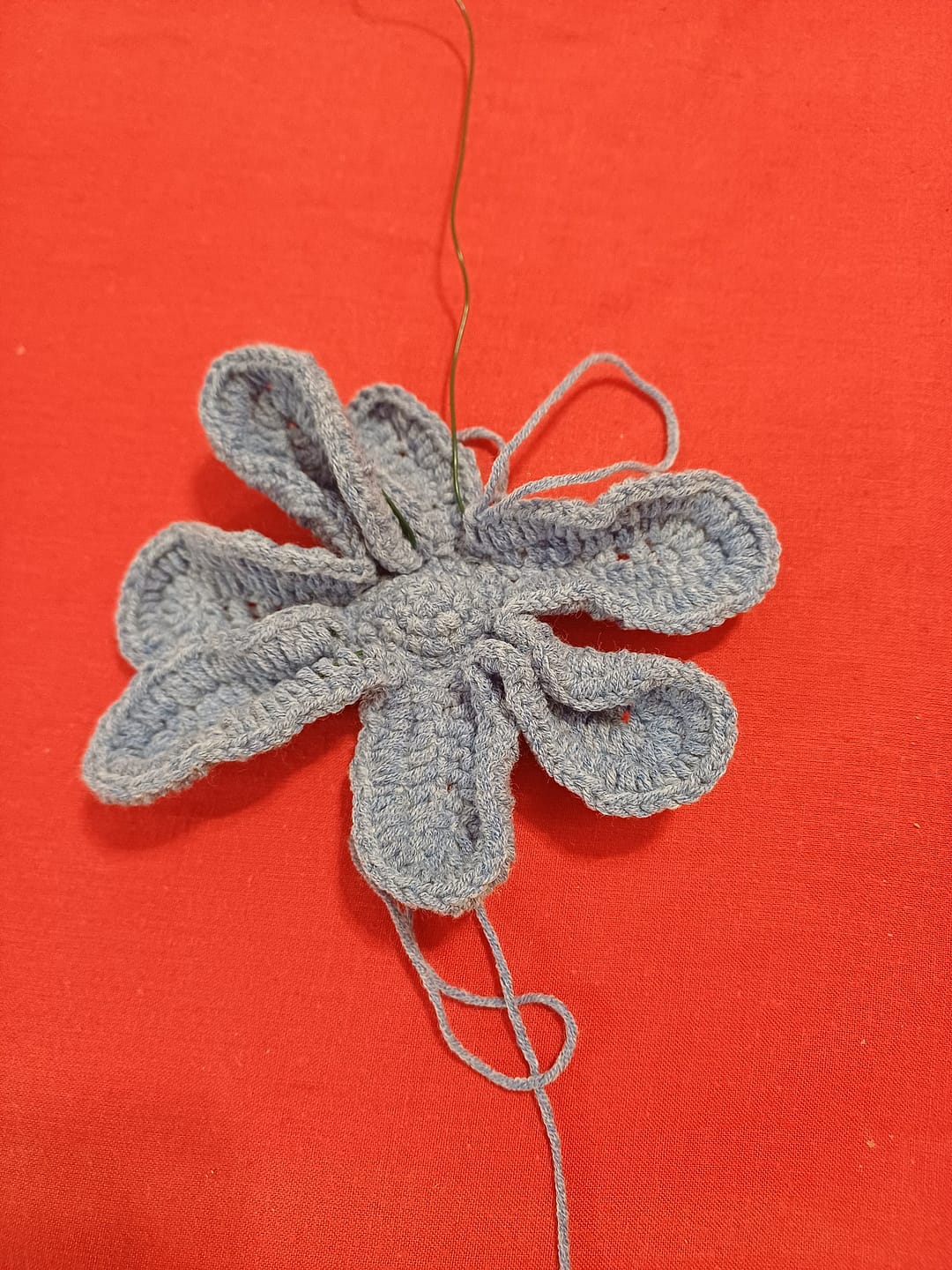
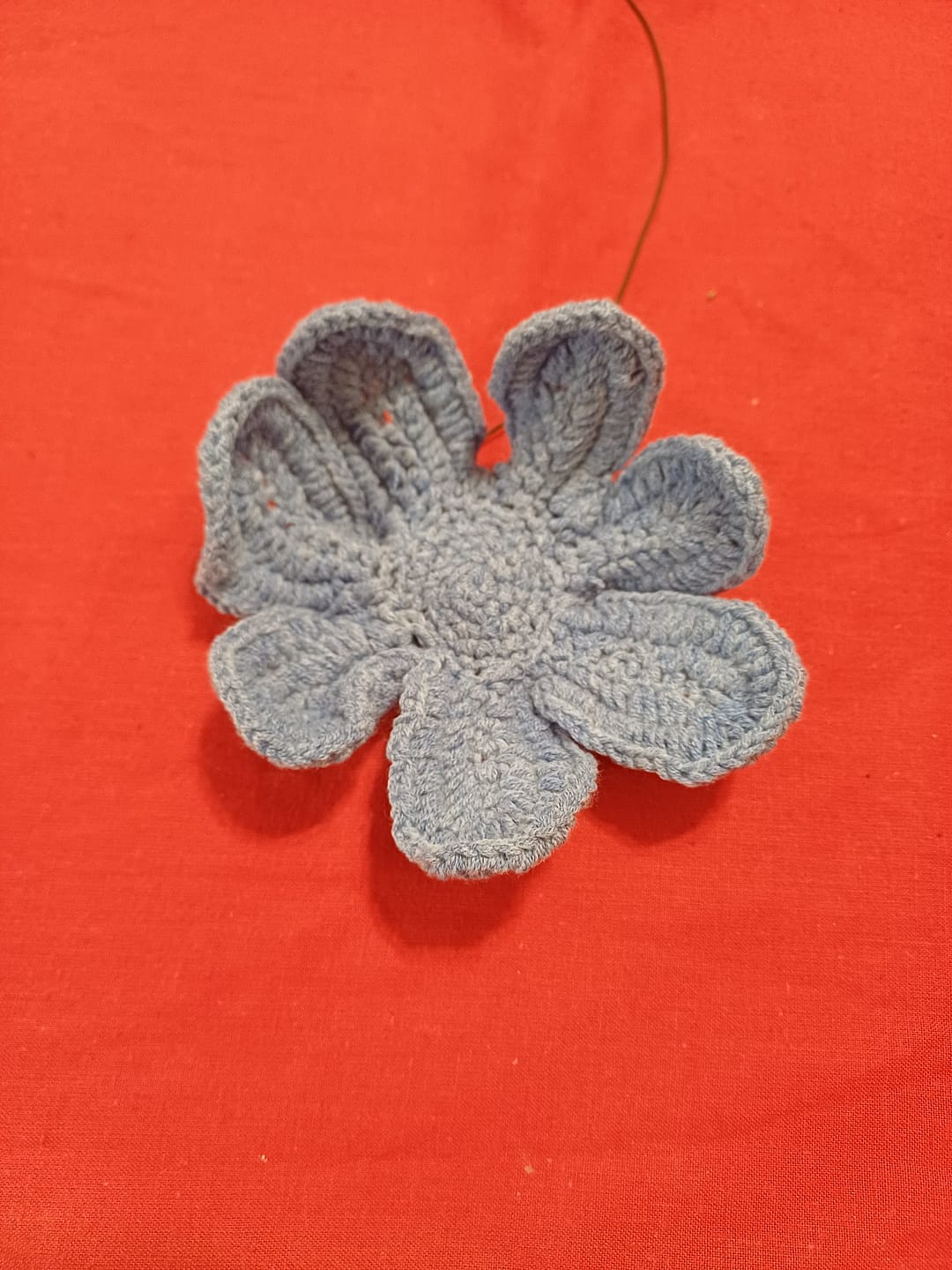
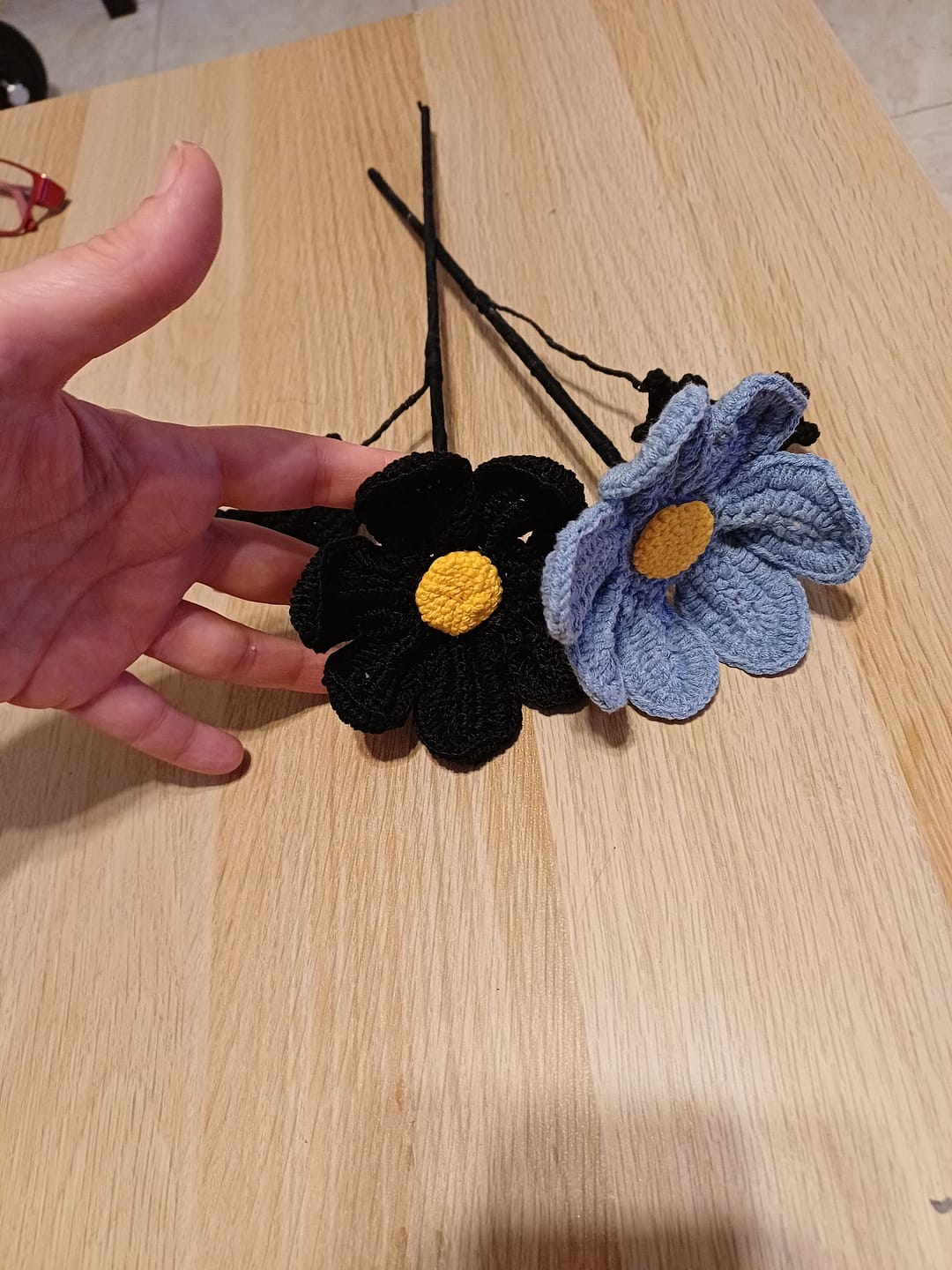
This is the part you don’t usually see in a polished Etsy thumbnail.
Petals turn out too big. Leaves curl in the wrong direction. A flower that looked excellent in my head looks deeply questionable in yarn.
So I unravel things. Change stitch combinations. Adjust proportions. Make another version. And sometimes another.
A lot of crochet design is simply asking, “What if I do this instead?” and discovering approximately three minutes later why I shouldn’t.
Those imperfect attempts matter. They’re how I work out the construction before I ask someone else to spend their time and yarn making it.
3. I crochet the final design
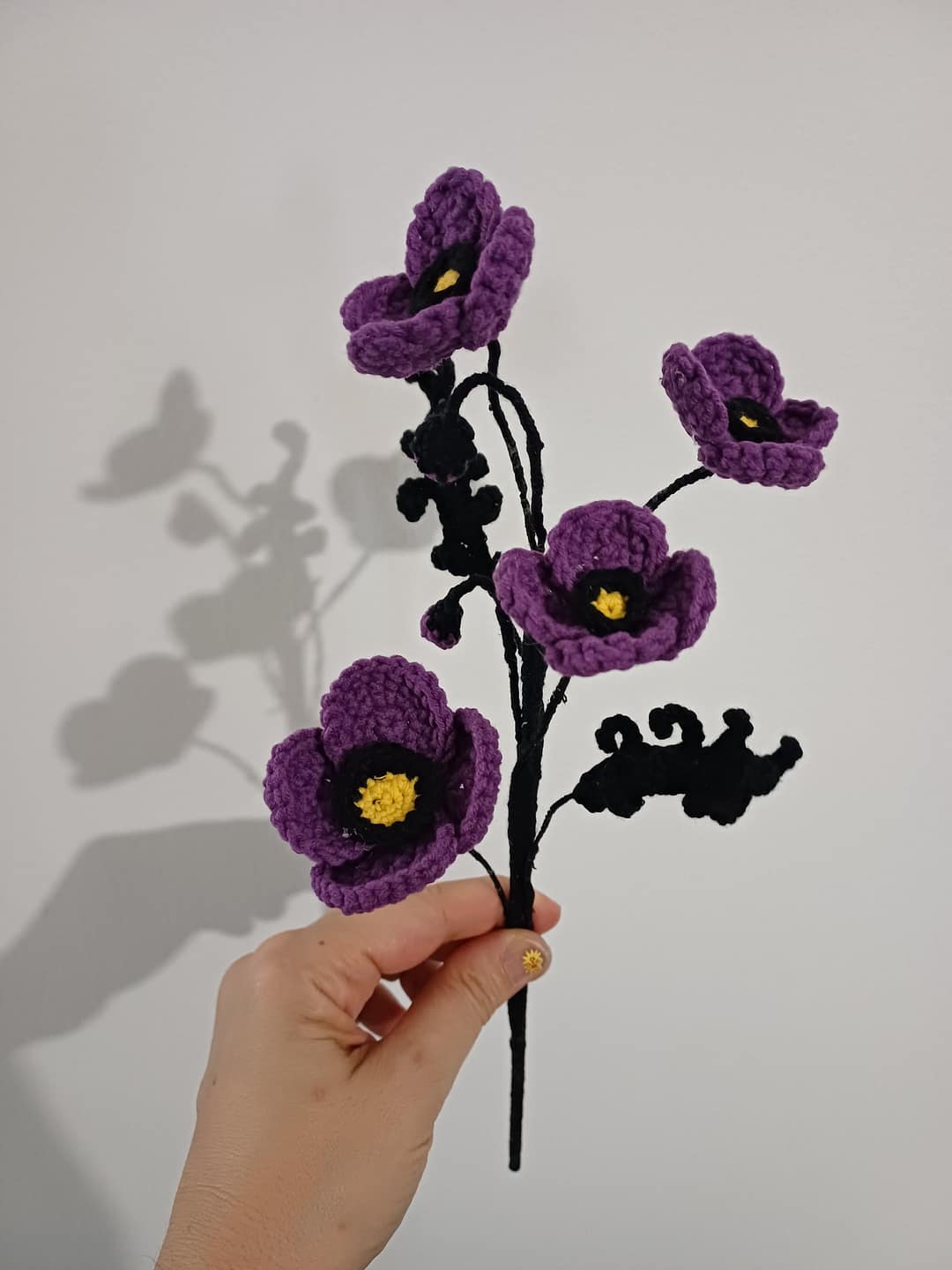
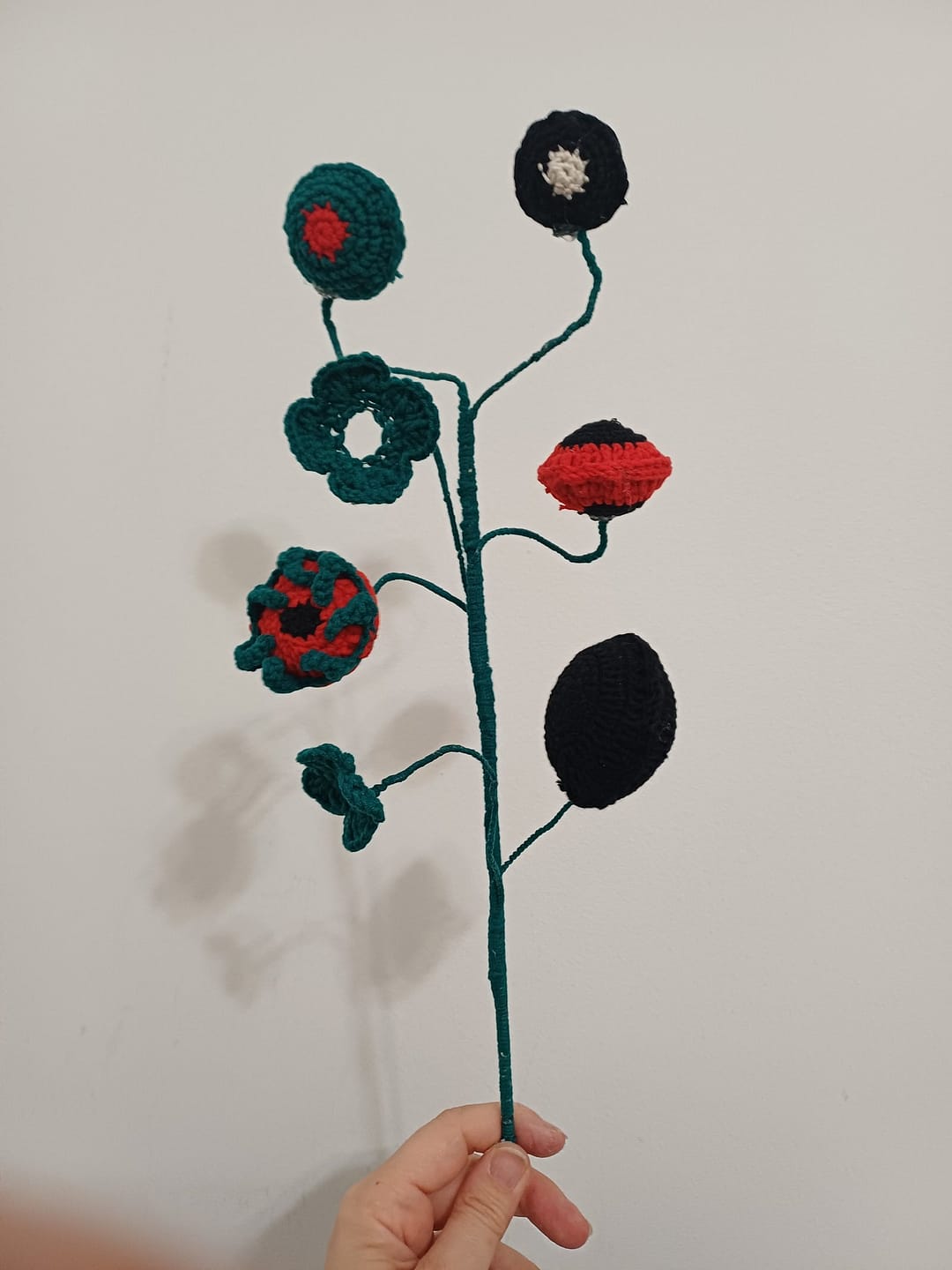
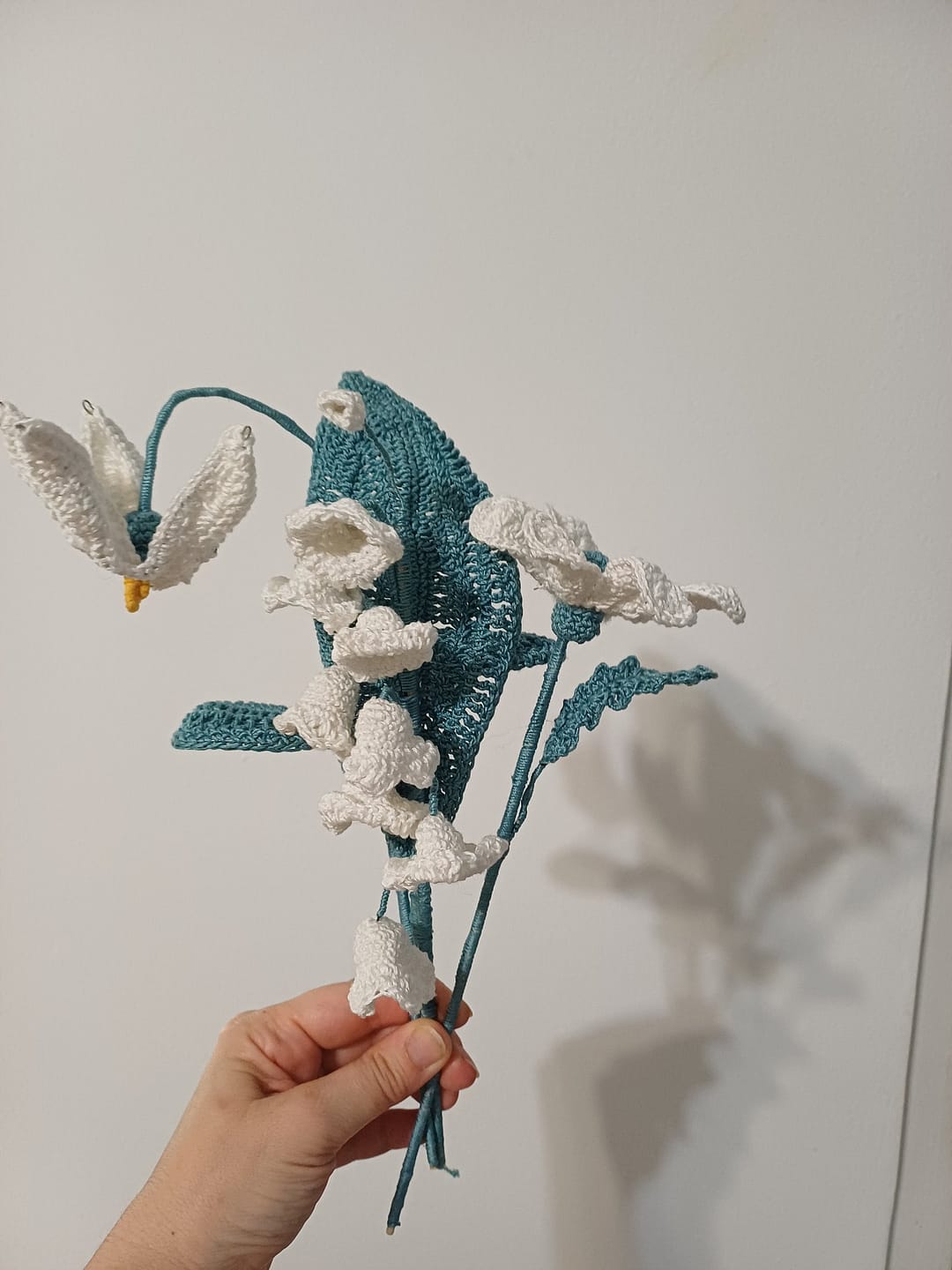
Before I sell a Kootsiko pattern, the finished crochet piece exists in the real world.
I have made it with my own hands. I can turn it over, bend the petals, check the assembly and see whether the construction actually works.
That sounds like something that shouldn’t need saying.
Unfortunately, in the age of AI-generated crochet patterns, it does.
4. Then I write the pattern
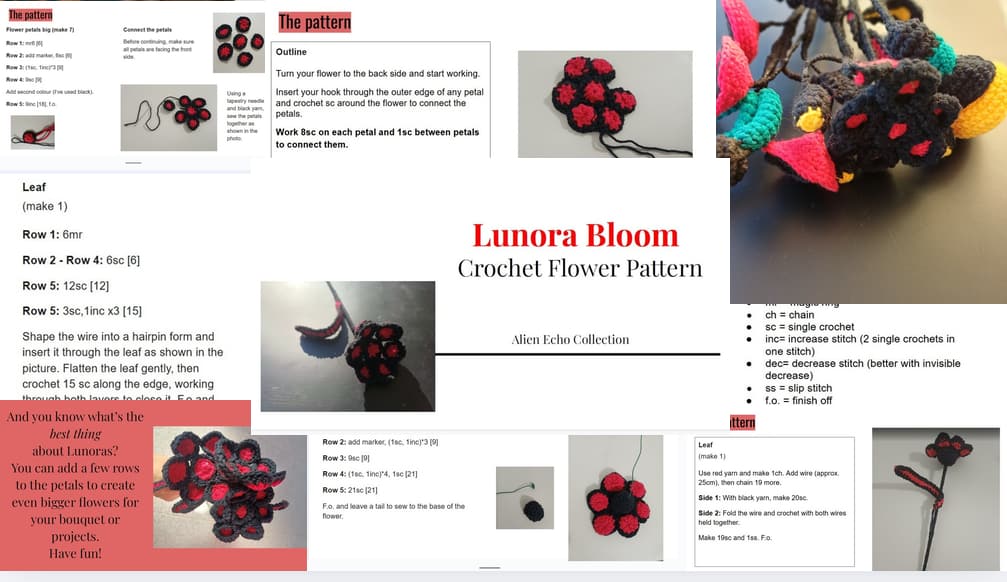
Once the design works, I turn the process into instructions another crocheter can follow.
Kootsiko patterns use US crochet terminology and include stitch counts, materials, assembly guidance and photographs where they’re useful.
I try to keep them beginner-friendly and avoid unnecessary counting or complicated instructions whenever there’s a simpler way to get the same result.
My unofficial goal is what I call Netflix-friendly crochet: interesting enough to make something special, but not so complicated that you have to pause your show every eleven seconds.
5. The pattern becomes a PDF
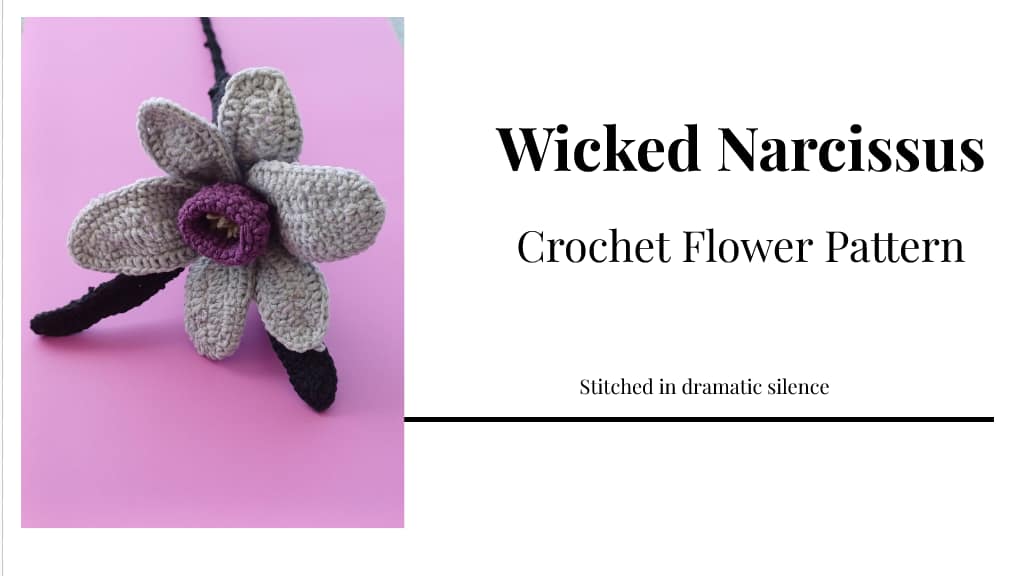
Once the instructions are finished, I turn everything into the Kootsiko PDF you receive.
That includes the information you need to make the design, along with photographs and assembly guidance to help you see how the individual crochet pieces become the finished flower.
The photographs inside my patterns are photographs of the actual crochet I made while creating the design.
So, what about AI?
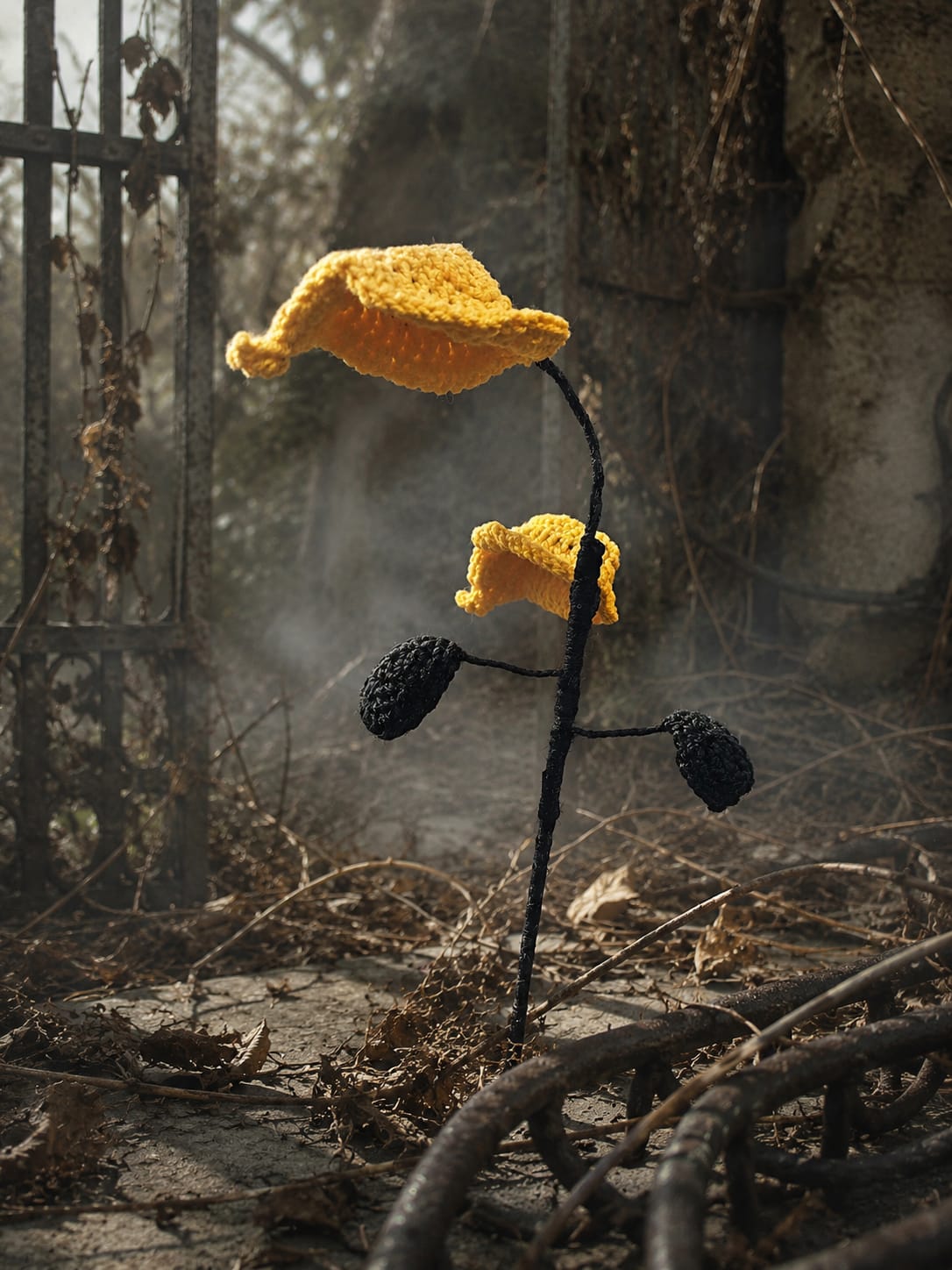
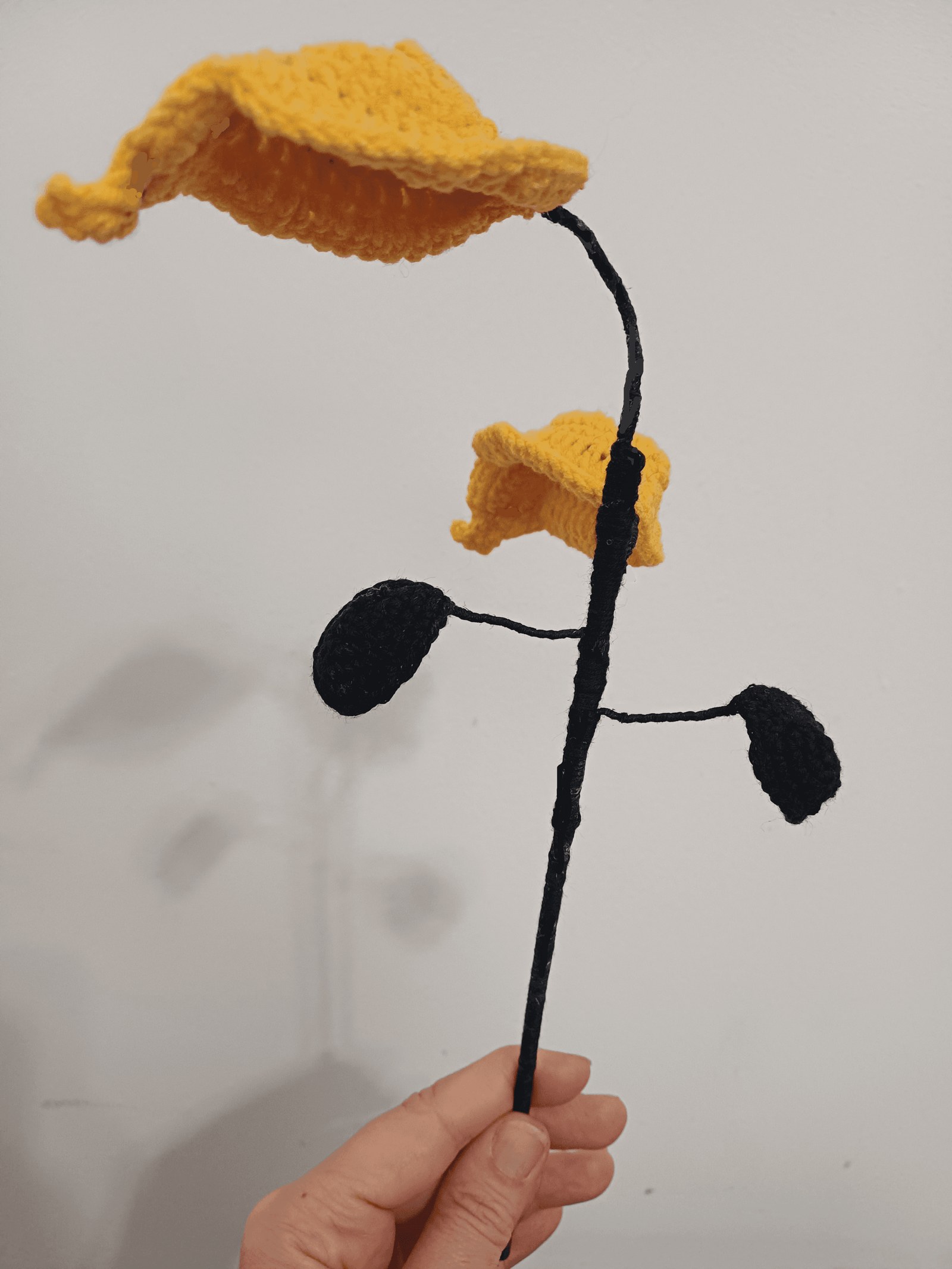
I do use AI in my business. I think it’s important to say that plainly.
What I don’t use it for is designing my crochet or writing patterns for crochet pieces that don’t exist. I’m a crochet designer, not a professional photographer, and Kootsiko is a one-person small business.
I don’t have a photography studio, an endless collection of beautiful interiors or perfect natural light waiting patiently for me every time I finish a flower. Sometimes the reality is a beautiful new crochet design sitting on a decidedly less beautiful desk.
So, I sometimes use AI to help clean up or replace the background of a real photograph, or to present my finished crochet in a setting I couldn’t realistically photograph myself.
I also include real, unpolished photographs in my listings so you can see the actual crochet piece without the fancy surroundings.
My boundary is simple: AI can help me present my work. It doesn’t create the work I’m selling.
The crochet is real. I made it. The pattern comes from that physical piece.
And somewhere along the way, I probably unraveled at least part of it while questioning my life choices.
Don’t take my word for it. Crochet one.
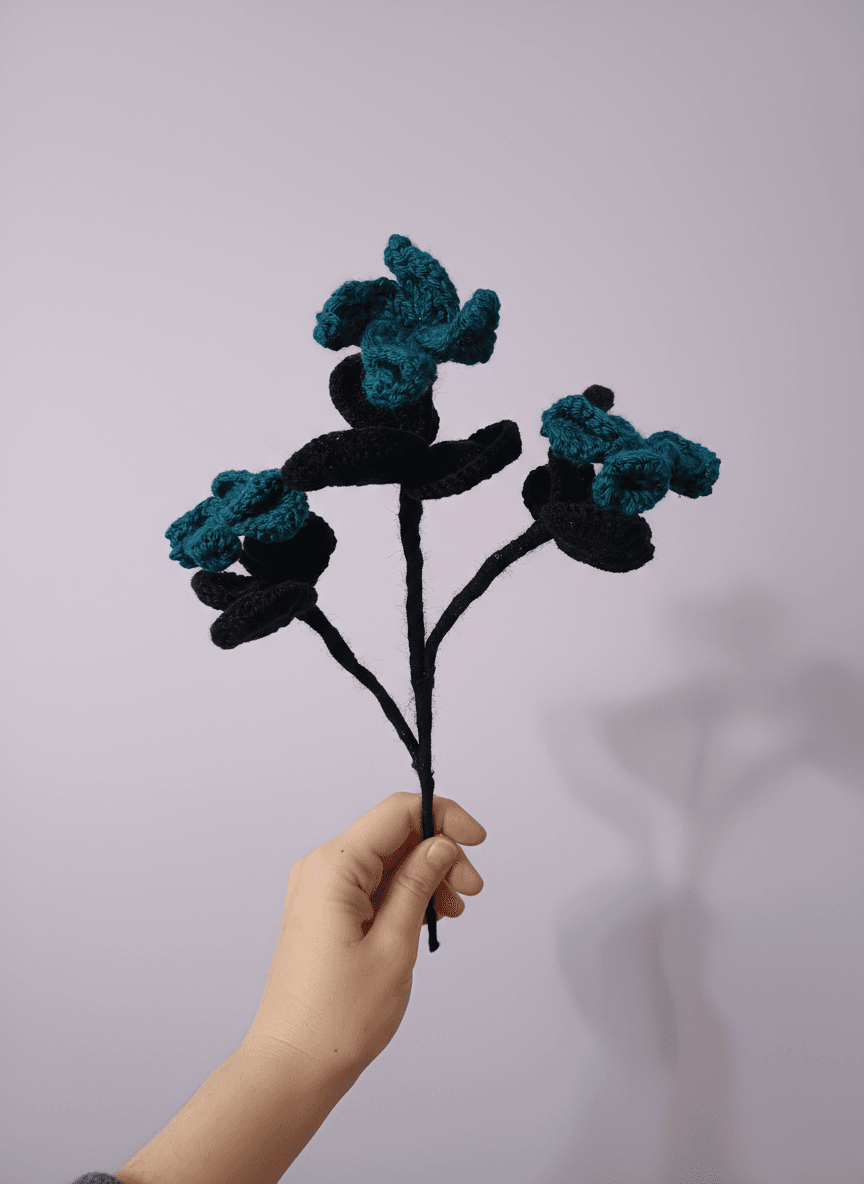
You shouldn’t have to trust a crochet designer simply because they tell you their patterns work.
So you can try one of mine without buying anything.
Zephyra is a complete Kootsiko crochet flower pattern available free on my website. It gives you the instructions, photographs and process you’d expect from a Kootsiko pattern.
Grab some yarn and a hook and see for yourself.
Happy crocheting. And remember: flowers don’t have to behave. 🙂
Until next bloom,
🖤
Kootsiko