

There’s a strange moment that sneaks up on you when something that once brought pure joy starts to feel a little too much like work.
You don’t make a big announcement about it. You don’t even complain. You just notice that tiny resistance where there used to be excitement. One day you sigh instead of smile. You postpone instead of enjoy. And somehow, without asking your permission, beauty quietly moves from pleasure to obligation and lands right on your to-do list.
How maintenance sneaks into joy
A lot of beautiful things don’t just show up, they arrive with a whole maintenance plan. You’re meant to water this one, replace that one, keep everything alive, fresh, presentable. Suddenly you’re not just enjoying beauty, you’re managing it like a tiny unpaid internship.
At first, all that effort feels almost romantic. Like proof that you care. Like you’re being the kind of person who pays attention to details. But over time, it starts to add up.
Each task is small, completely harmless on its own. Together though, they create this constant low-level hum of responsibility that never really switches off. And before you realize it, beauty becomes something you maintain instead of something you simply experience.
The emotional cost no one talks about
That’s usually when guilt quietly enters the room. Not dramatic, movie-scene guilt. The soft kind. The kind that makes you avoid looking at something because it reminds you of what you didn’t do. The kind that slowly turns enjoyment into pressure. Eventually, the object itself starts to feel heavy, not because it’s asking too much, but because it’s asking anything at all when you’re already tired.
When care becomes performance
Somewhere along the way, we started confusing care with effort. We tell ourselves that if something needs constant attention, it must be more meaningful. That the work we put into it somehow justifies its place in our lives.
What Is Low Maintenance Home Decor?
Care doesn’t have to be performative. It doesn’t need constant action to prove its worth. Sometimes care looks like choosing things that don’t demand more than you can realistically give.
The relief of low-demand beauty
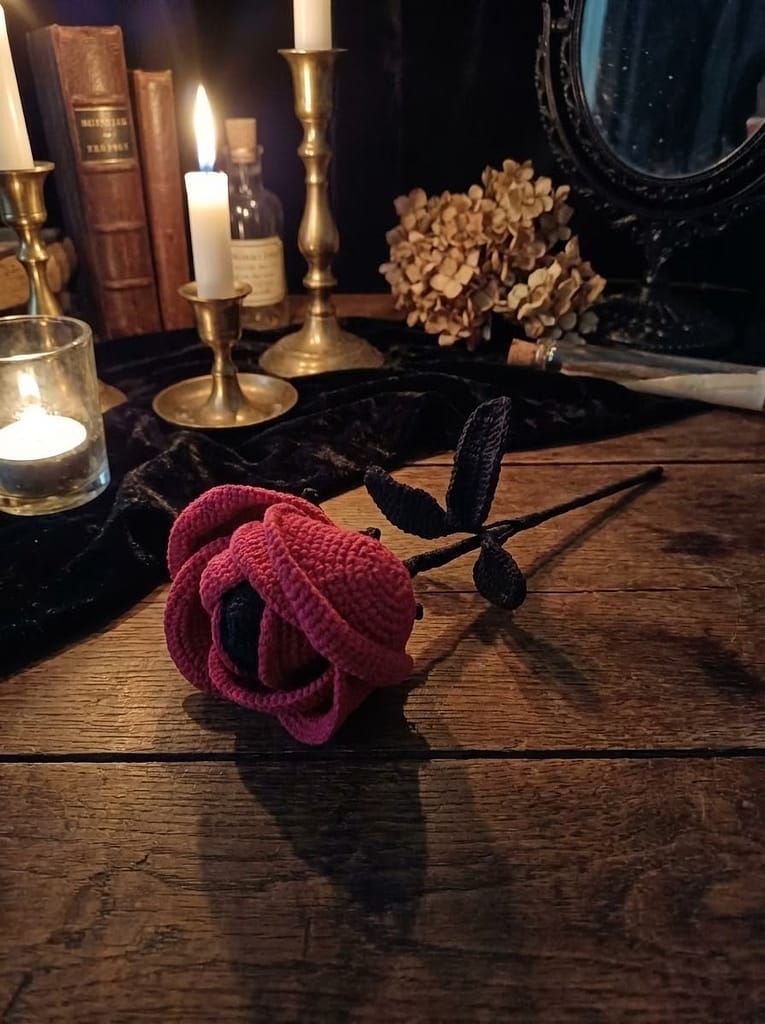
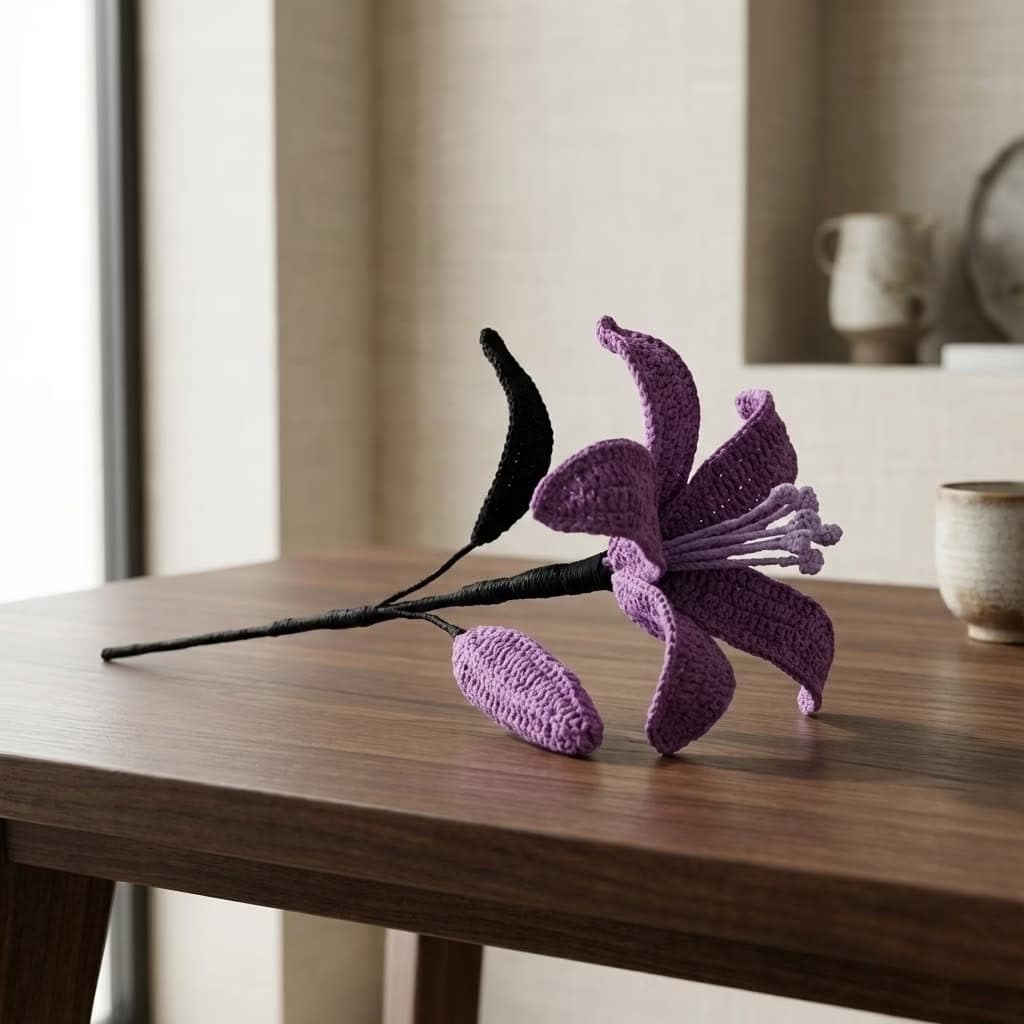
There’s a special kind of calm that comes from handmade objects that simply exist well. They don’t need checking on, managing, or babysitting. They don’t punish you for being human and occasionally forgetting things.
Low-demand beauty doesn’t disappear if you look away for a while. It waits. Quietly. Patiently. Completely unbothered. And somehow, in doing that, it gives you something rare, permission to rest.
Redefining responsibility
Responsibility feels good when you choose it. It feels exhausting when it’s silently assumed. Not everything in your space needs your ongoing attention to earn its place. Some things are allowed to be there without asking anything back. That’s not laziness. That’s discernment.
Why permanence can feel like kindness
Objects that stay don’t compete for your energy. They don’t rush you or keep reminding you that time is passing and you’re falling behind.
They become part of the environment that holds you, instead of something you constantly have to hold together. There’s real kindness in that kind of permanence, especially in seasons of life where your energy is already fully booked.
Choosing ease without giving up beauty
We often mistake ease for indifference, but ease can be deeply intentional.
Choosing beauty that asks less of you isn’t lowering your standards, it’s aligning them with real life. You can love beautiful things and still want them to be gentle with you.
A final thought
Beauty should soften your days, not complicate them. It should make your space feel calmer, not busier.
If you ever find yourself resenting the care that beauty requires, that’s not a failure, that’s information. And if this way of thinking resonates, you might enjoy my newsletter, where I write about choosing beauty that actually fits real life. Or you can explore my crochet flowers, made for people who love the aesthetic without the emotional rollercoaster.
No upkeep required. Just presence.
Until next bloom,
🖤
Kootsiko
Join my newsletter to receive new patterns, tutorials, and the occasional free surprise.
Read more
How to Spot AI Crochet Patterns Before You Buy
AI crochet patterns are everywhere, but an AI-looking image doesn’t necessarily mean the pattern is …
Birth Month Flowers You Can Crochet: Meanings, Symbolism & Pattern Ideas for Every Month
Looking for the perfect birthday crochet gift? Discover every birth month flower, what each one symb…
How to Choose Flowers for a Crochet Bouquet That Looks Beautiful
A beautiful crochet bouquet isn't just about making pretty flowers. It's about choosing blooms that …
How to Make Realistic Crochet Flowers: 10 Secrets That Bring Yarn to Life
Learn how to make realistic crochet flowers with better yarn choices, petal shaping, wire techniques…
Crochet Flowers With Dark Meanings: 10 Blooms That Tell a Story
Discover crochet flowers with dark meanings and the symbolism behind each bloom. Create handmade bou…
10 Ways to Style Crochet Flowers in a Modern Gothic Home
Think gothic decor means skulls and cobwebs? Think again. Here are 10 stylish ways to decorate a mod…
From Cottagecore to Gothic: My Crochet Poppy Pattern Obsession
One crochet poppy pattern led to another. Discover cute mini bouquets, moody Midnight Poppies and go…
The Story Behind the Mediterranean Carnation Crochet Pattern
Discover the history, symbolism, and Mediterranean roots behind this realistic Mediterranean Carnati…