
Most of us don’t decorate badly. We decorate quickly. We choose what feels familiar, what we’ve already seen a hundred times, what we know how to pick without stopping to think too much. The default option is comforting. It saves time, removes friction, and helps us move on with our day without having to make another decision.
The only problem is that those choices rarely stay with us in any meaningful way. They do the job, they fill the space, and then they quietly fade into the background. And somewhere along the line, decor stops feeling personal and starts feeling automatic.
What “default” really means
Choosing the default option doesn’t make you careless or unoriginal. It usually just means you went with what was easy instead of taking a moment to decide what actually felt right.
Default choices happen when something is available, expected, or requires the least amount of pause. They solve the immediate need, but they rarely create an emotional connection. They fill a space, mark an occasion, do their job, and then quietly disappear, either physically or in your memory.
Why default choices feel safe
There’s comfort in choosing what everyone else chooses. You don’t have to explain yourself. You don’t risk standing out. You don’t worry about getting it wrong.
Default choices blend in easily. They don’t ask to be noticed or understood. And sometimes, that’s exactly what you want. But over time, constantly blending in can start to feel like you’re slowly erasing yourself just a little.
The difference between taste and intention
Taste is often treated like a talent, something visual and instinctive that you either have or you don’t.
Intention works differently. Intention isn’t about knowing what looks good. It’s about knowing why something belongs with you. An intentional choice might look simple or understated, but it carries a quiet sense of care that default choices rarely do. It shows that you paused, that you noticed, and that you chose on purpose.
Why intentional choices feel personal
When you choose intentionally, the object changes roles. It stops simply filling space and starts participating in it. It becomes part of how a room feels, how a gift is remembered, how a moment settles instead of just passing by.
Intentional choices don’t need to be loud or unusual. They just need to feel considered, and that sense of consideration is what people respond to, even if they can’t quite explain why.
The quiet disappointment of “good enough”
Default choices often leave behind a very specific feeling. Not regret exactly, but something closer to mild disappointment. It’s the kind you don’t complain about and barely acknowledge. The kind that makes you think, this is fine, instead of, this feels right.
Over time, a home or a life built entirely on “fine” can start to feel strangely empty, even if everything looks perfectly acceptable from the outside.
Choosing fewer things, more deliberately
Living intentionally doesn’t mean rejecting convenience altogether. It simply means noticing where convenience has stopped serving you.
Sometimes that means choosing fewer things, but choosing them with more care. Things that feel more anchored, more reflective of who you are and how you actually want to live.
Not everything needs to be intentional, but the things that stay the longest probably deserve a little more thought.
Where handmade quietly fits into all this
This is usually the point where people think intentional choices have to be dramatic. They imagine big lifestyle changes, bold design decisions, a whole new version of themselves.
But most of the time, intention shows up in much smaller, quieter ways. It shows up in the objects you live with every day. The ones you see without really seeing, until one day you realise some of them feel empty and some of them feel strangely comforting.
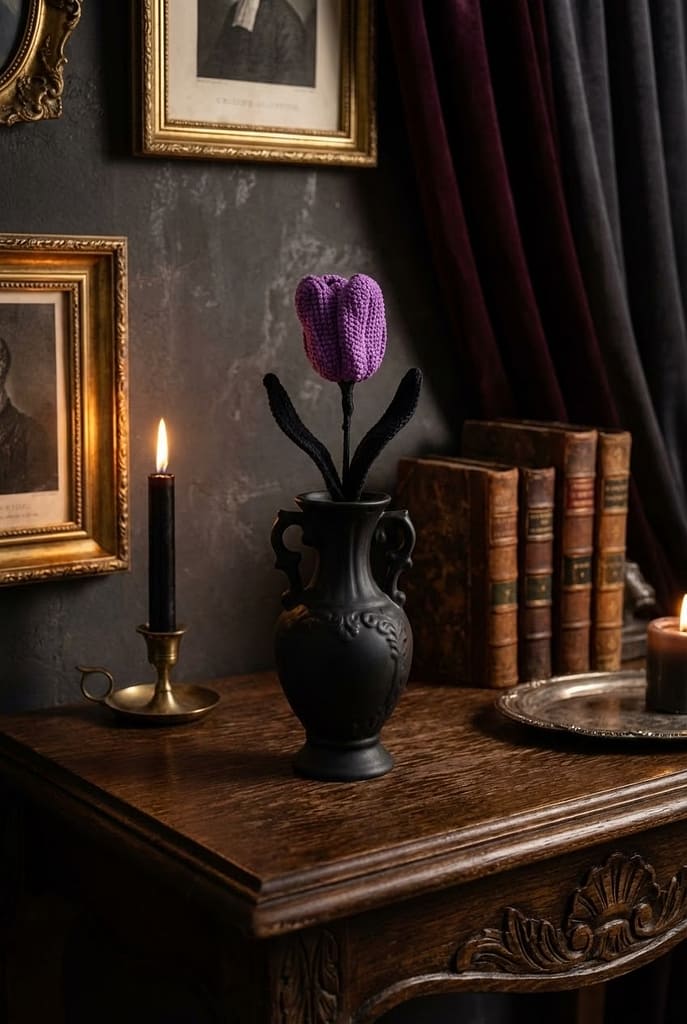
Handmade pieces tend to fall into the second category. Not because they’re better in any loud or obvious way, but because they carry evidence of a pause. Someone chose the yarn. Someone spent time shaping it. Someone decided it was finished only when it felt right, not when a machine said so.
Even if you never think about the process, you feel the result. The object doesn’t just fill space. It brings a sense of care into it.
Why crochet flowers make sense here
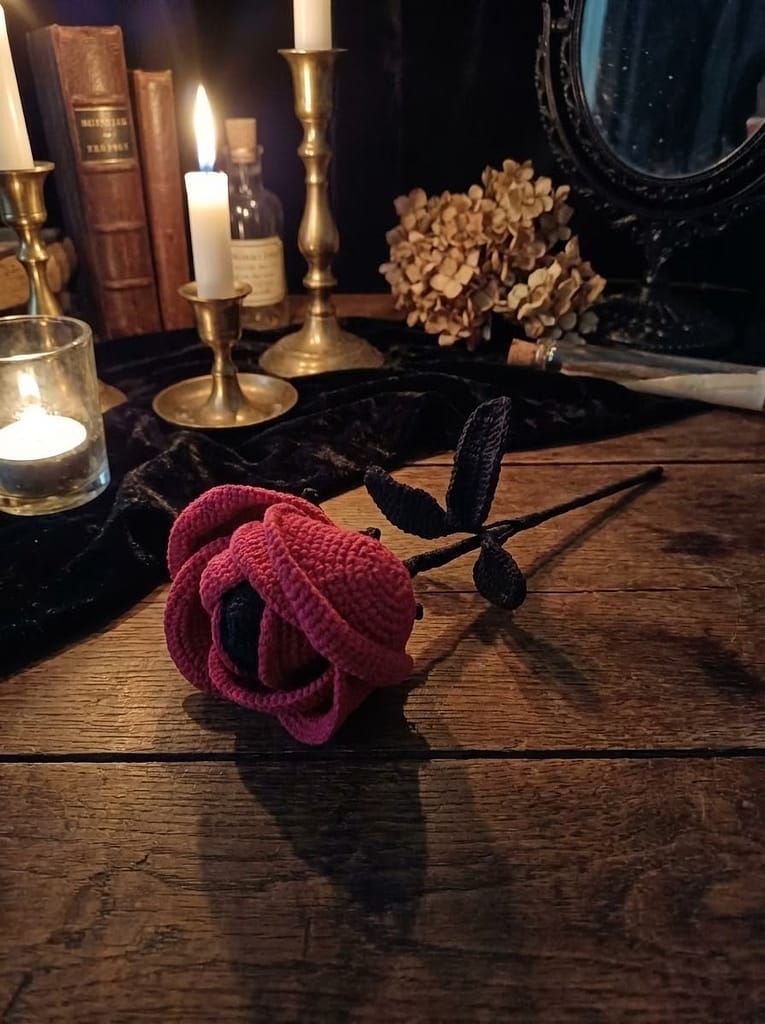
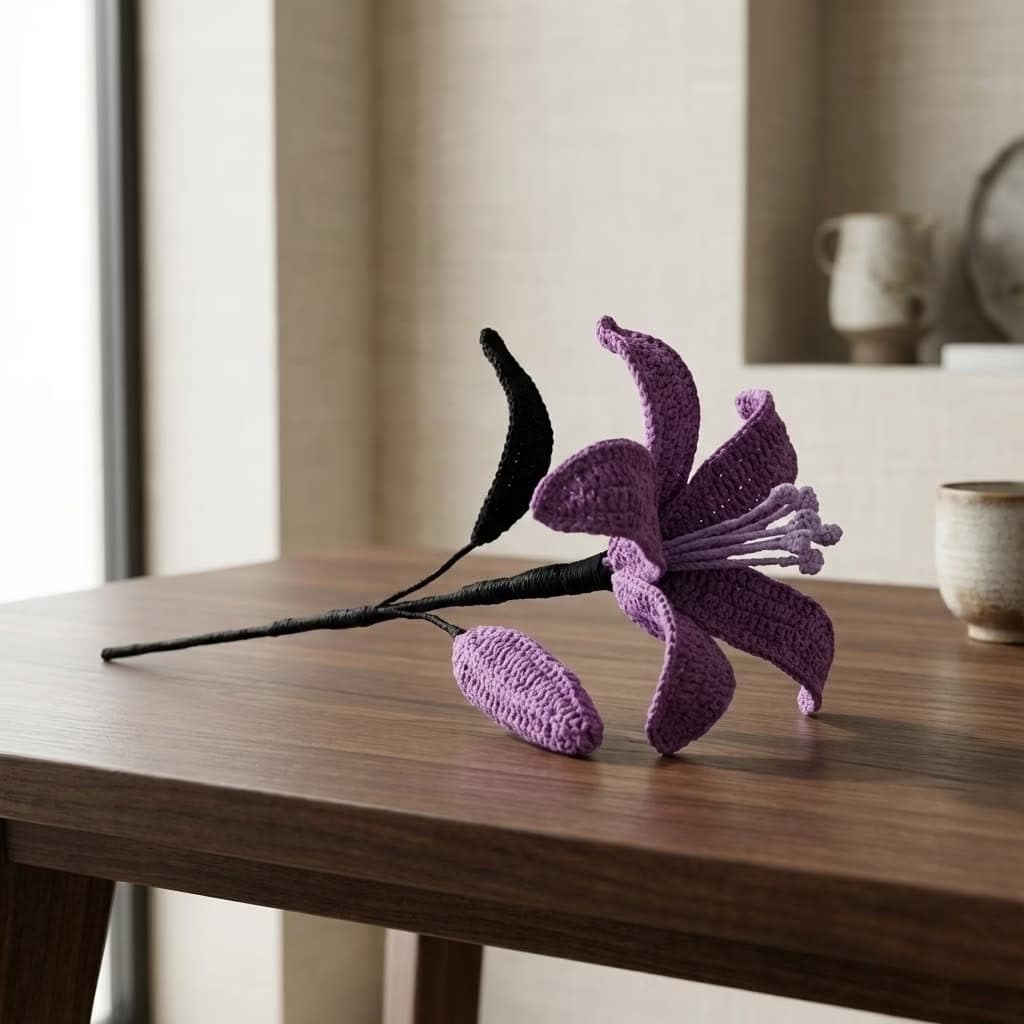
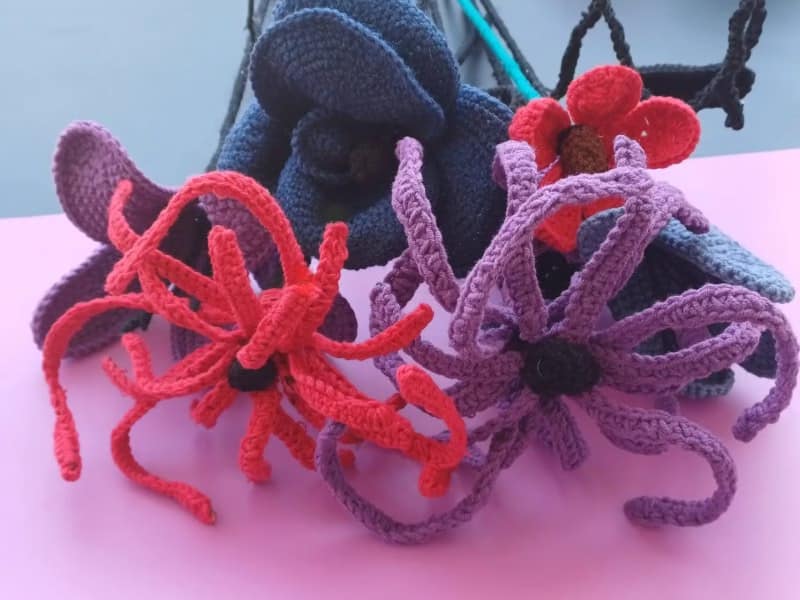
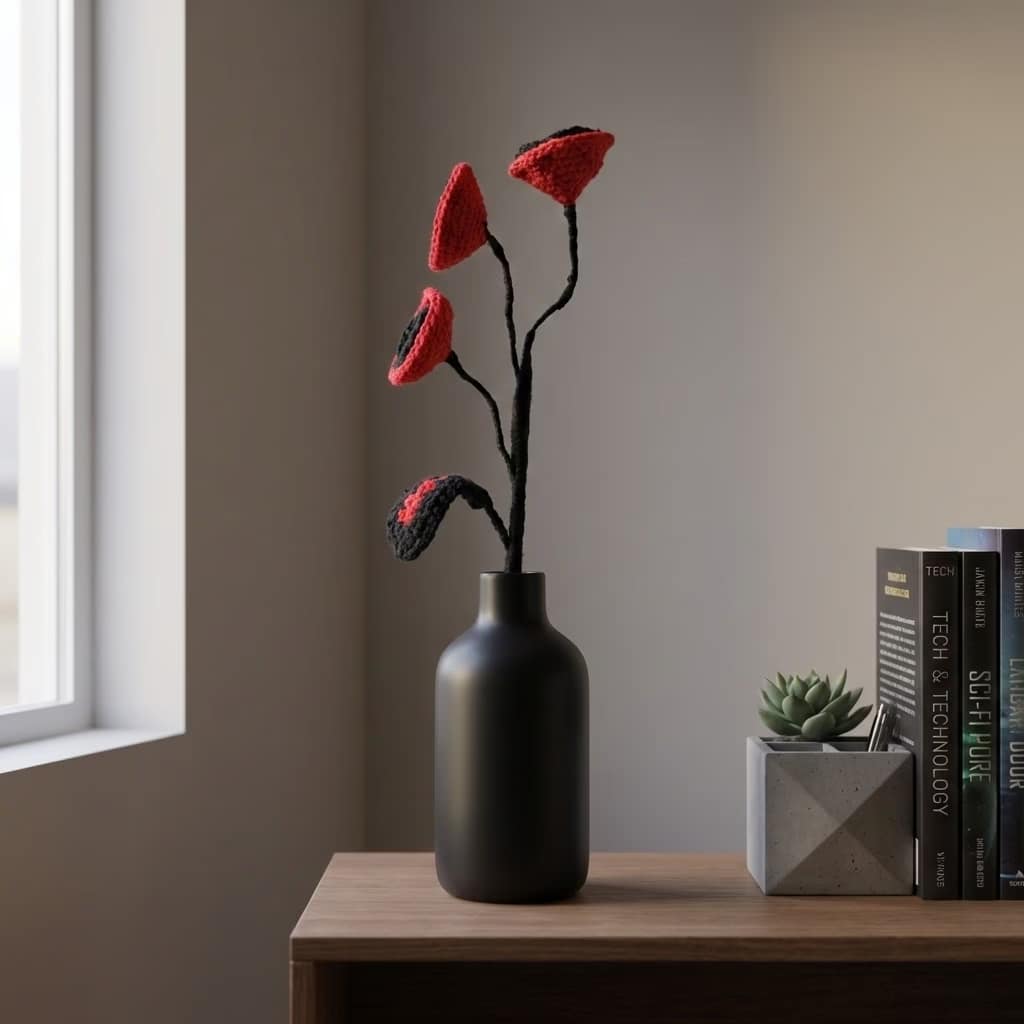
Crochet flowers are a small example of this kind of choice. They don’t shout for attention and they don’t try to be impressive. They simply exist as something made slowly in a world that usually moves very fast.
For people who love handmade things but aren’t makers themselves, they offer a simple way to bring intention into a space without turning life into a project. You don’t need to learn a new skill. You don’t need to invest in a whole new hobby. You just choose something that feels more personal than default.
And that one small decision changes how the object feels in your home. It stops being just decor and starts feeling like something that belongs.
A final thought
This isn’t about choosing differently to impress anyone. It’s about choosing differently so your space feels like it actually belongs to you. If you find yourself tired of default options, it’s not because you’re difficult or picky. It’s because you’re ready for things that feel considered.
And if this way of thinking resonates, you might enjoy my newsletter, where I write about beauty, intention, and the objects we choose to live with.
Or you can explore my crochet flowers whenever you feel like it, not as a purchase you have to make, but as an example of how small, thoughtful choices can quietly change the way a space feels.
No pressure. Intentional choices never rush.
Until next bloom,
🖤
Kootsiko
Read more
When Decor Feels Personal Again
Default choices are easy. Intentional ones are remembered. Here’s why pausing before you choose can …
When Nice Things Need Too Much
When beauty starts feeling like another responsibility, it’s time to rethink what “care” really mean…
Disposable Beauty Is Tiring. Here’s Why I Chose Something Else
Disposable beauty asks for constant replacing. Lasting beauty asks you to slow down. This is why I c…
How to Create a Moody Corner with Crochet Flowers
Learn how to create a dark, cozy corner with crochet flowers. A quiet, poetic way to style your home…
Crochet Flowers vs Real Flowers: The Greener Choice
Crochet flowers are the sustainable, long-lasting alternative to real blooms. No watering, no wiltin…
Creative Gift Ideas for People Who Have Everything
5 amazing handmade or DIY gift ideas you can create on a budget, plus 5 unique crochet-flower option…
Hauntingly Beautiful Handmade Gifts: Why You Still Have Time to Learn Crochet Before Christmas
This Christmas, skip store-bought gifts. Learn crochet and create dark, romantic handmade blooms tha…
Hauntingly Beautiful Crochet Gift Ideas for the Dark at Heart
Discover gothic crochet gift ideas and patterns for dark romantics who love handmade blooms, moody d…