

Crocheting a beautiful flower is only half the story. The real magic happens when several flowers come together.
A bouquet isn’t simply a collection of blooms. It’s a composition. Every flower plays a role, whether it’s the one that catches your eye first or the one quietly filling the spaces in between.
The good news is that you don’t need formal florist training to create a bouquet that feels balanced and natural. A few simple design principles can transform a handful of individual stems into something that looks thoughtfully arranged.
Whether you’re making a bouquet for your home, a wedding, or a handmade gift, these ideas will help you choose flowers that work beautifully together.
Quick Answer
A beautiful crochet flower bouquet combines variety, balance, and movement. Choose one or two focal flowers, add smaller supporting blooms, vary stem heights, and stick to a harmonious color palette. Mixing different flower sizes and natural textures creates bouquets that feel full without looking crowded.
Start with one focal flower
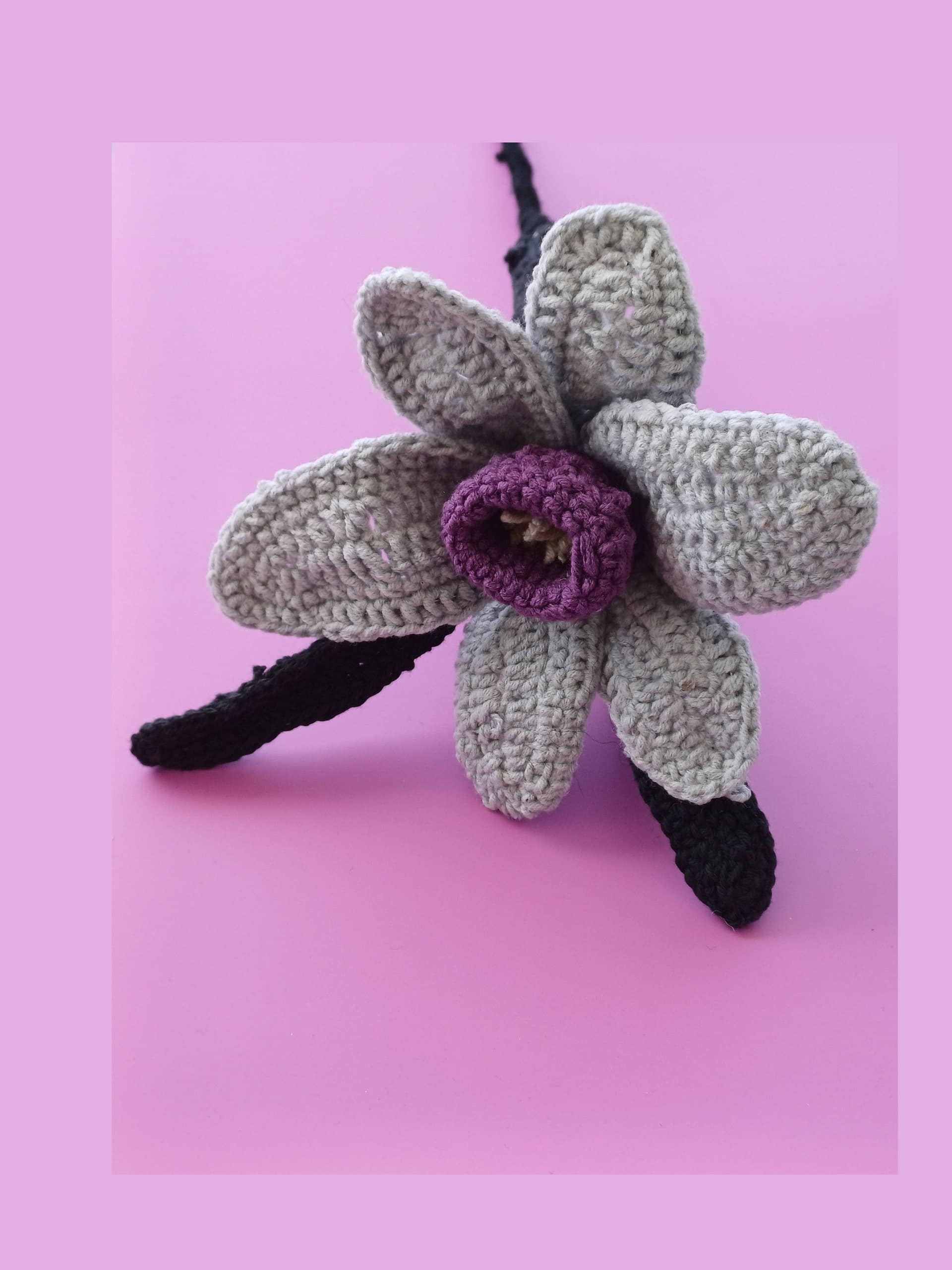
Every memorable bouquet has a flower that immediately draws the eye. Florists often build an arrangement around one larger or more dramatic bloom before adding supporting flowers.
Your focal flower might be:
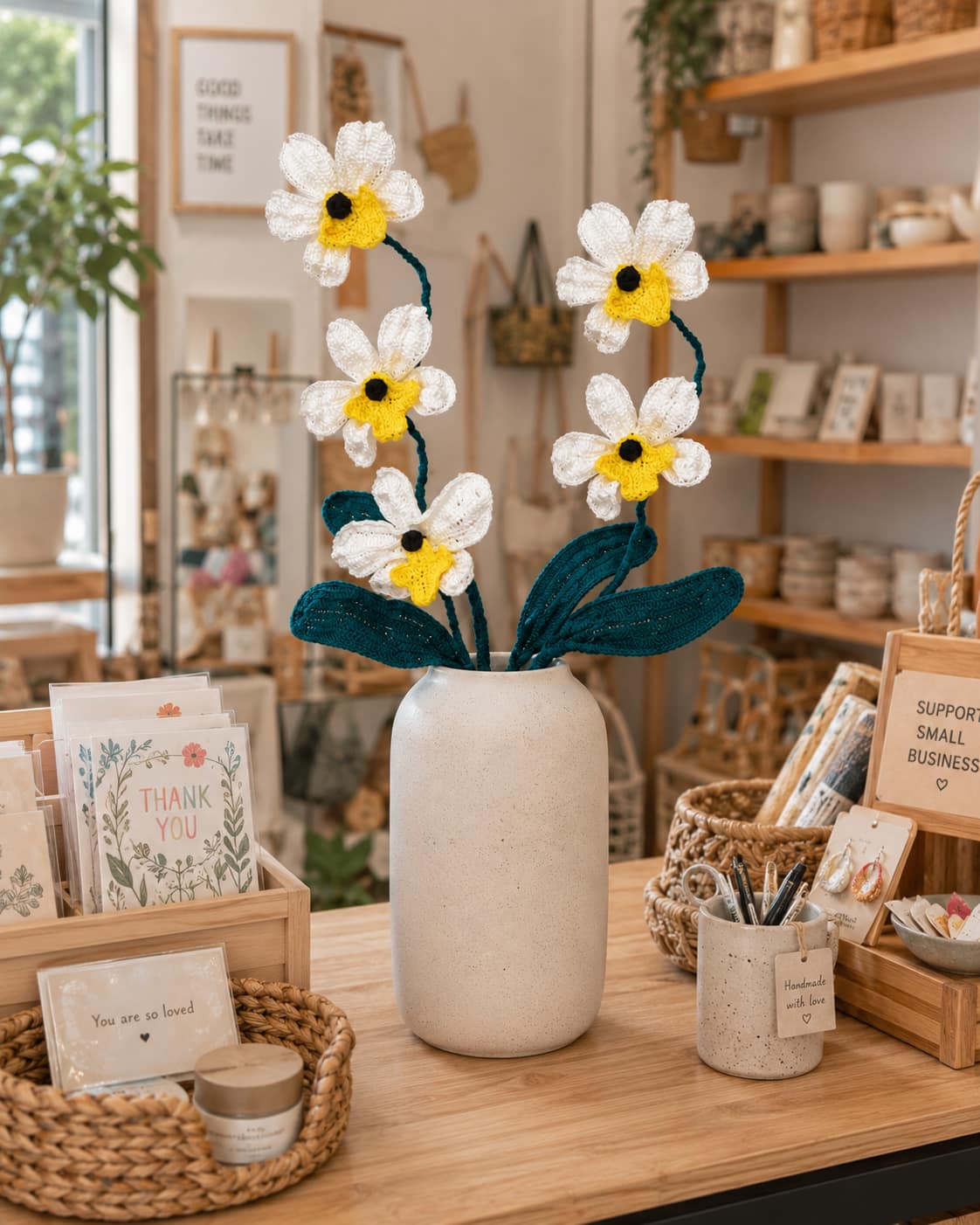
- a Moon Orchid
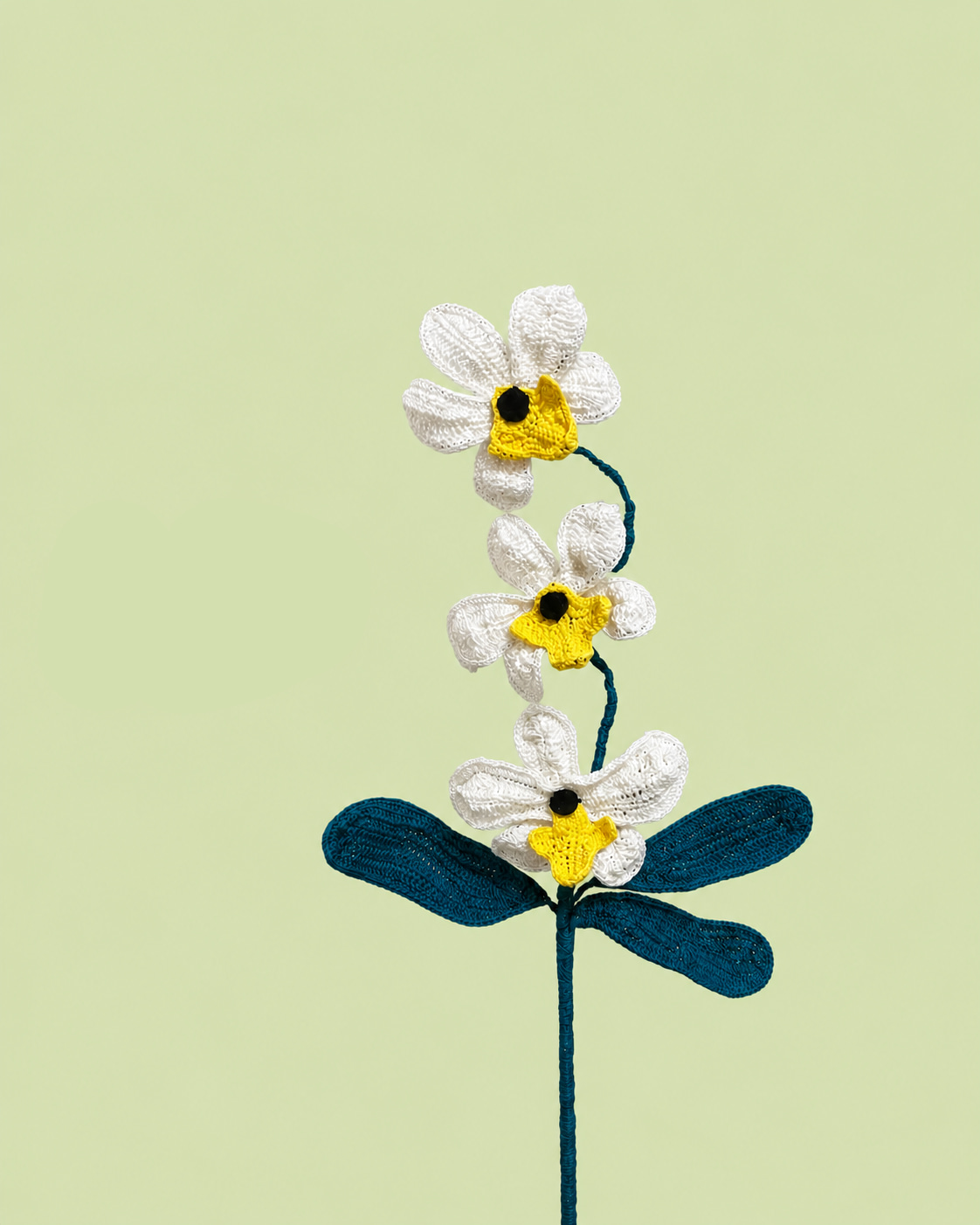
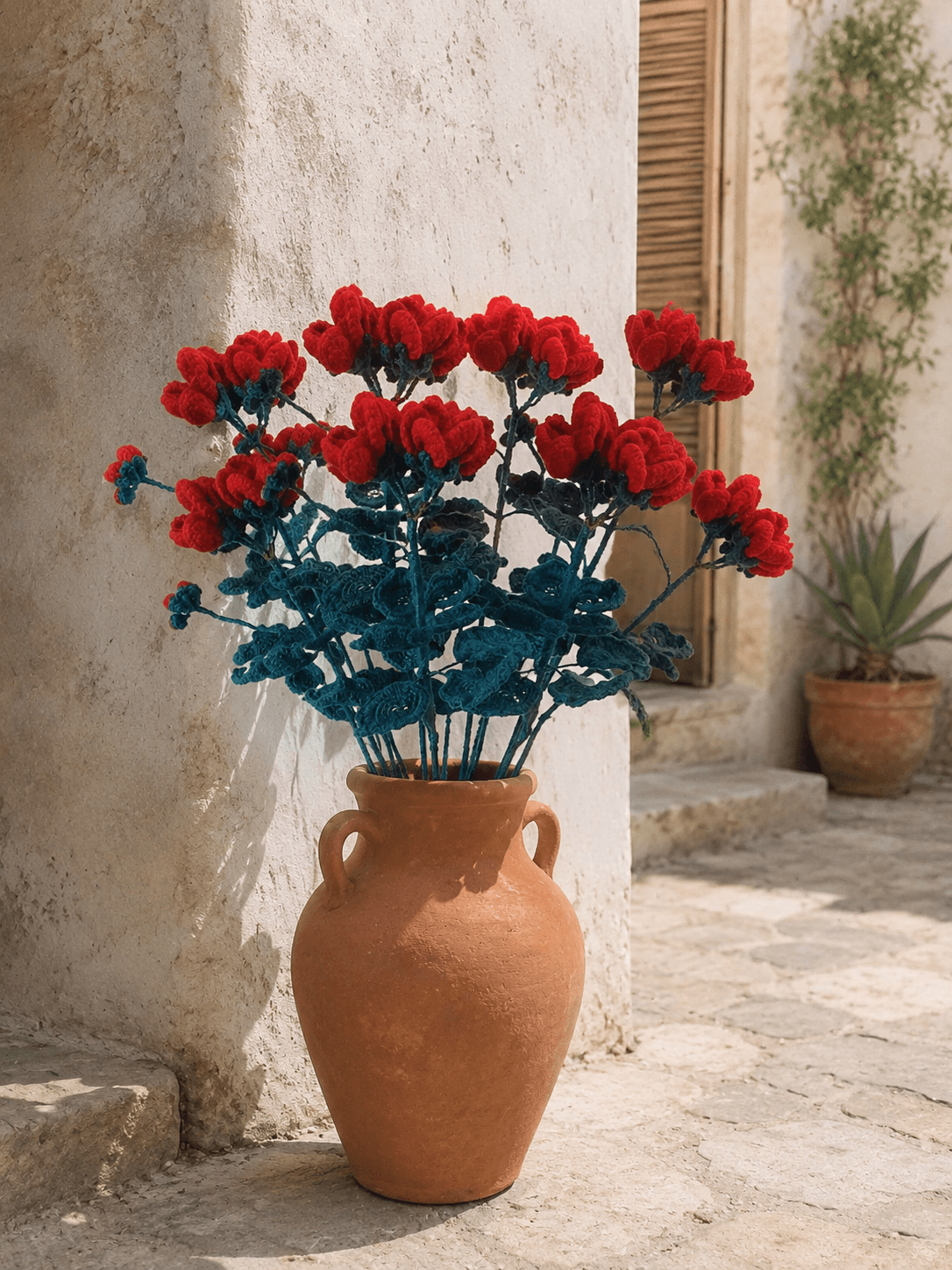
- a Geranium
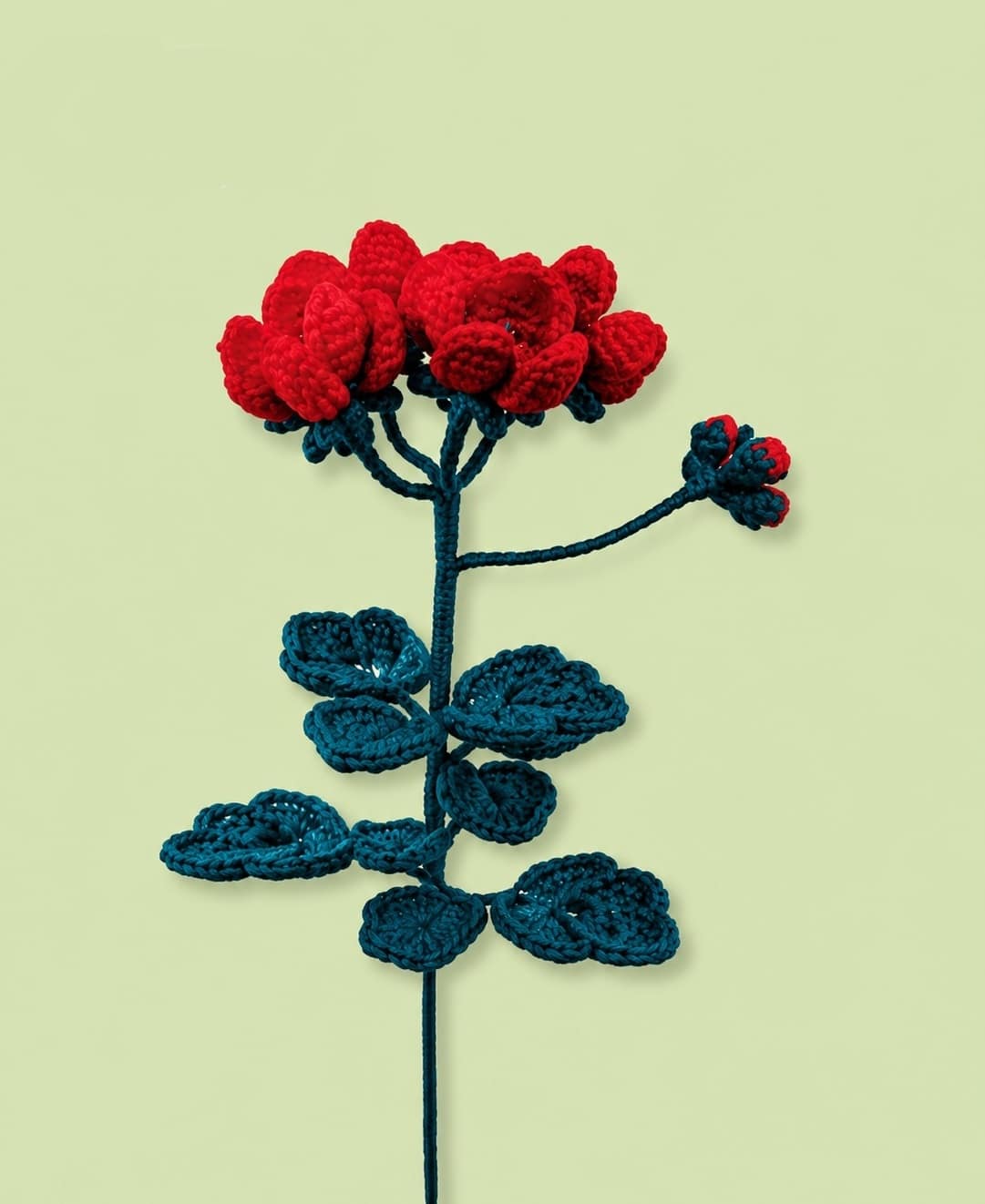
- a Carnation
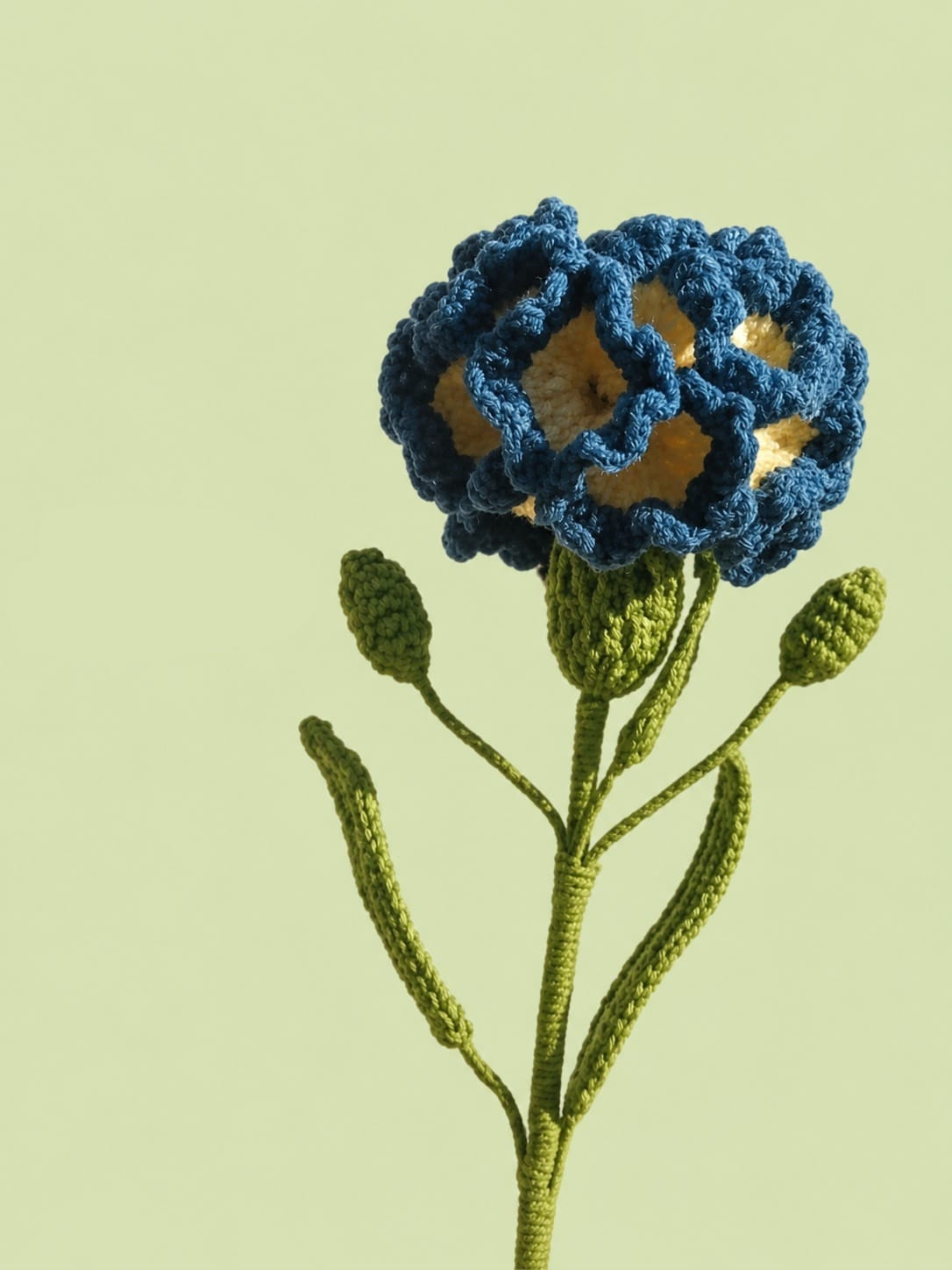
- a large Lily
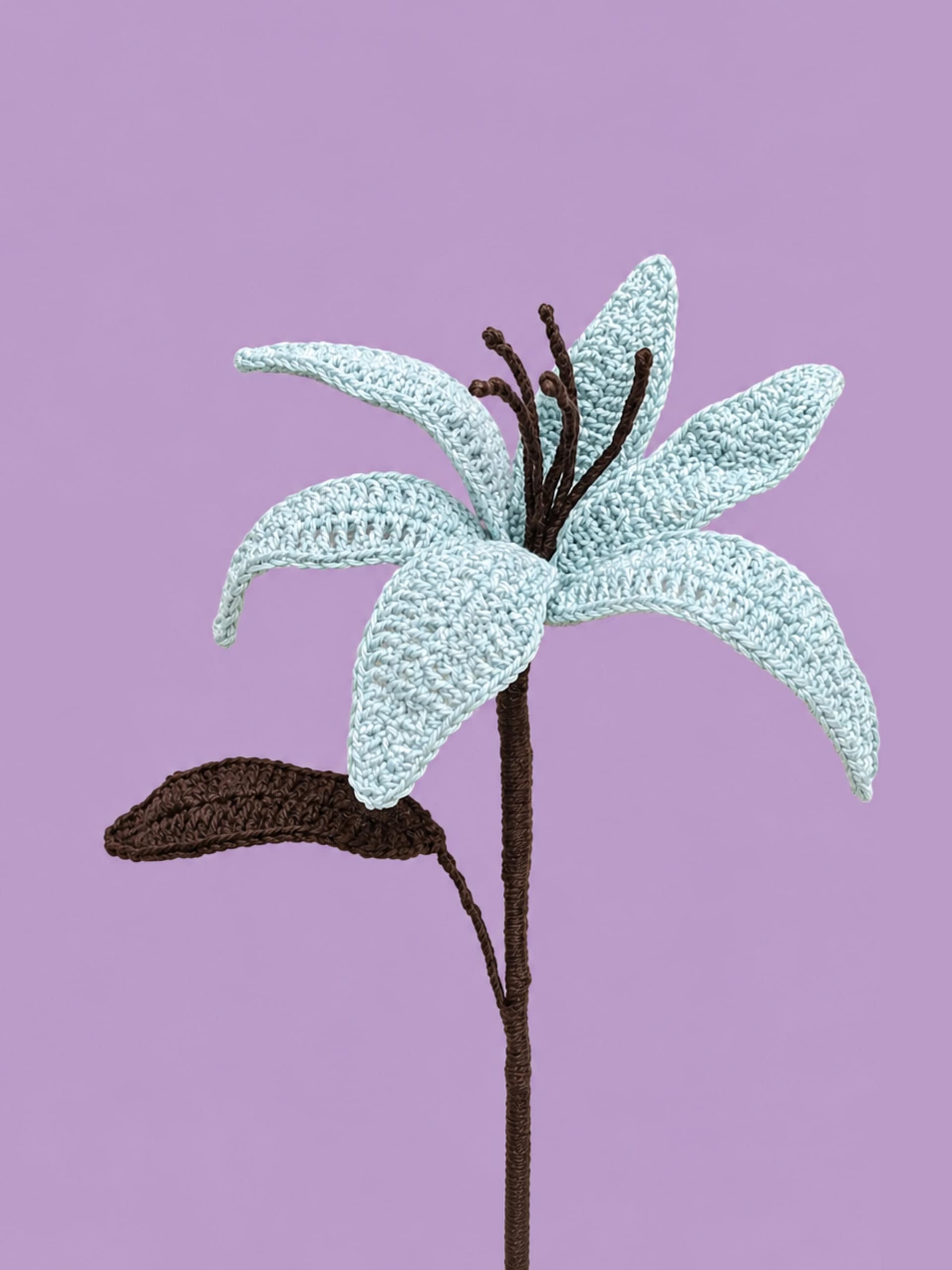
Once you’ve chosen your star, every other flower should support it rather than compete with it.
Add supporting flowers
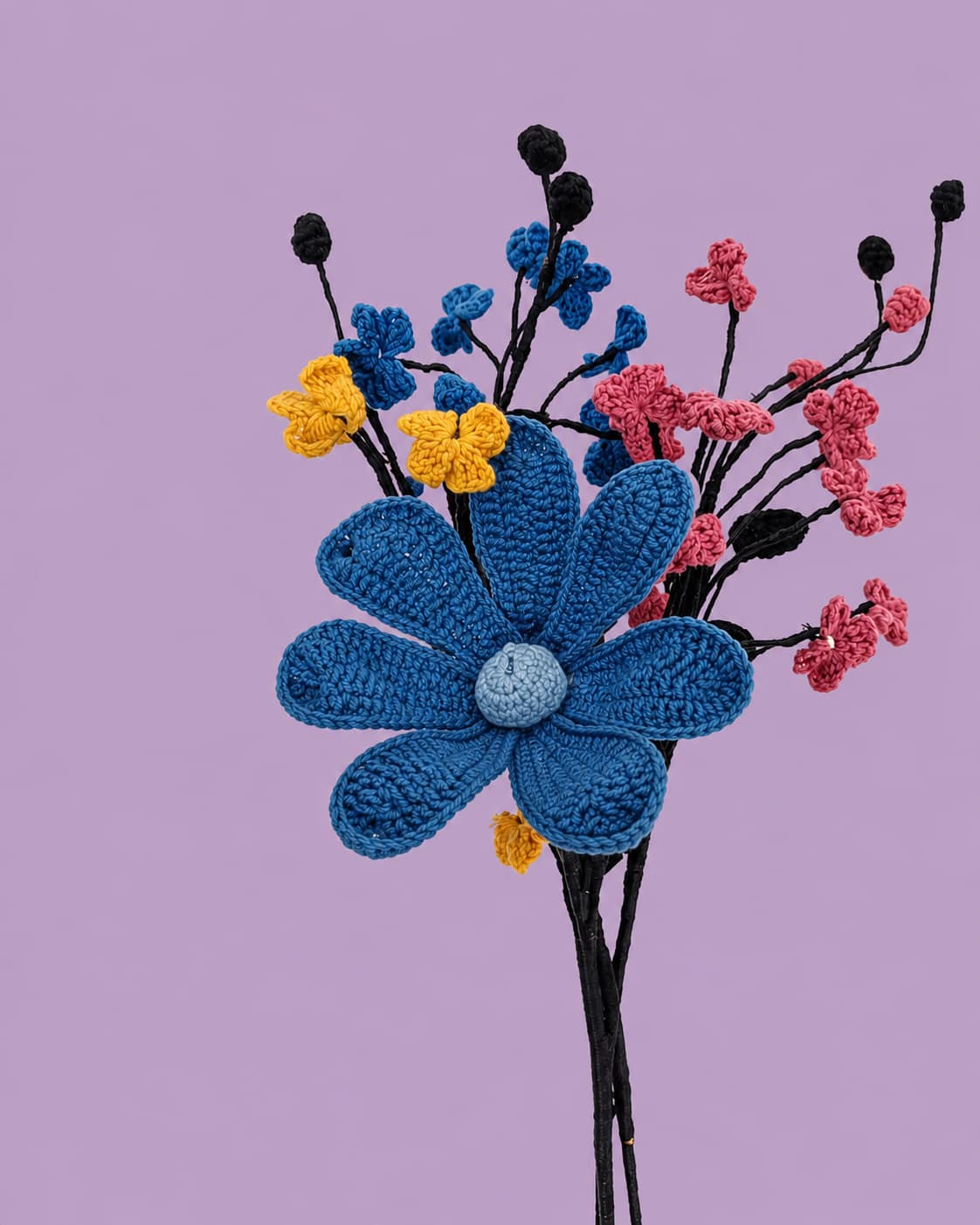
Supporting flowers create rhythm. They soften transitions between larger blooms and make bouquets feel more natural.
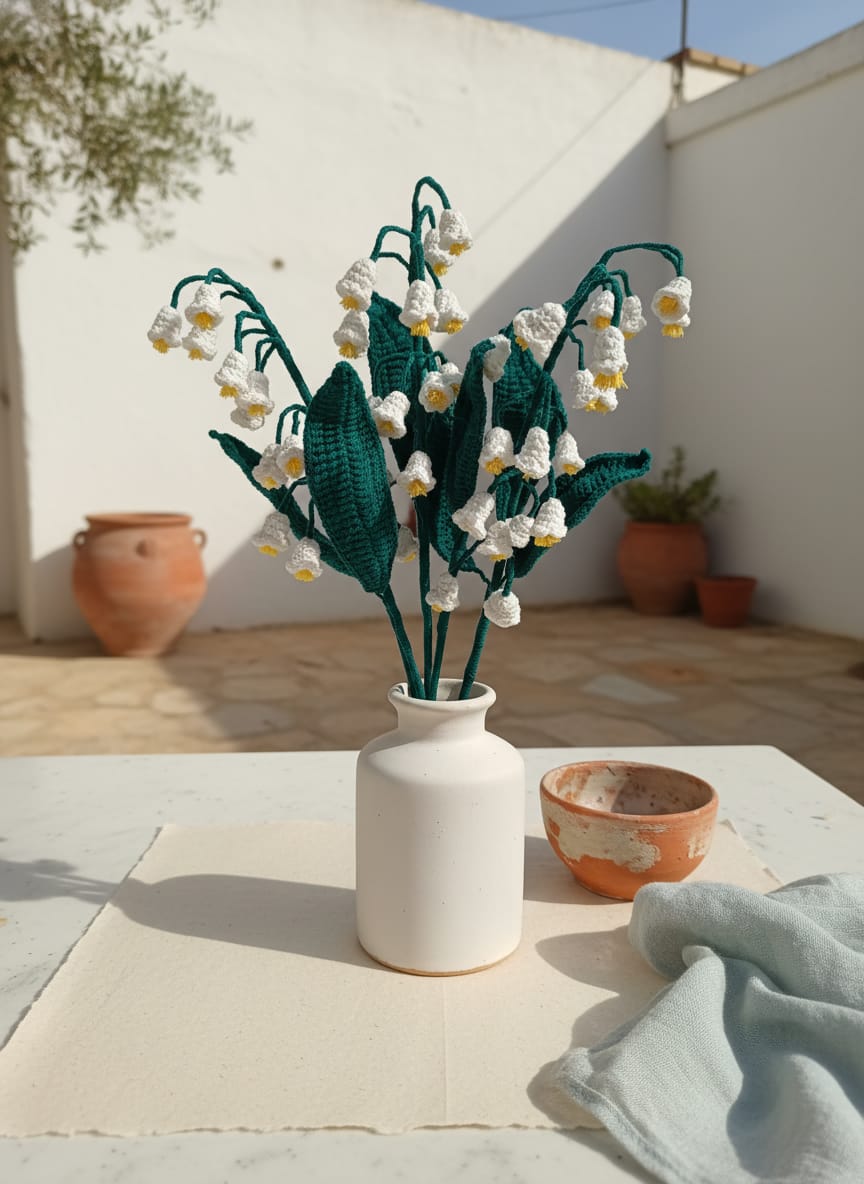
Smaller flowers like Forget-me-nots or Lily of the Valley help connect larger flowers without overwhelming them.
Think of them as the quiet details that make the whole arrangement feel complete.
Mix different flower sizes

Nature rarely grows flowers that are all the same size. Large flowers create impact.
Medium flowers add fullness. Small flowers fill the gaps. Combining different sizes creates depth and keeps the eye moving around the bouquet.
Vary the stem heights
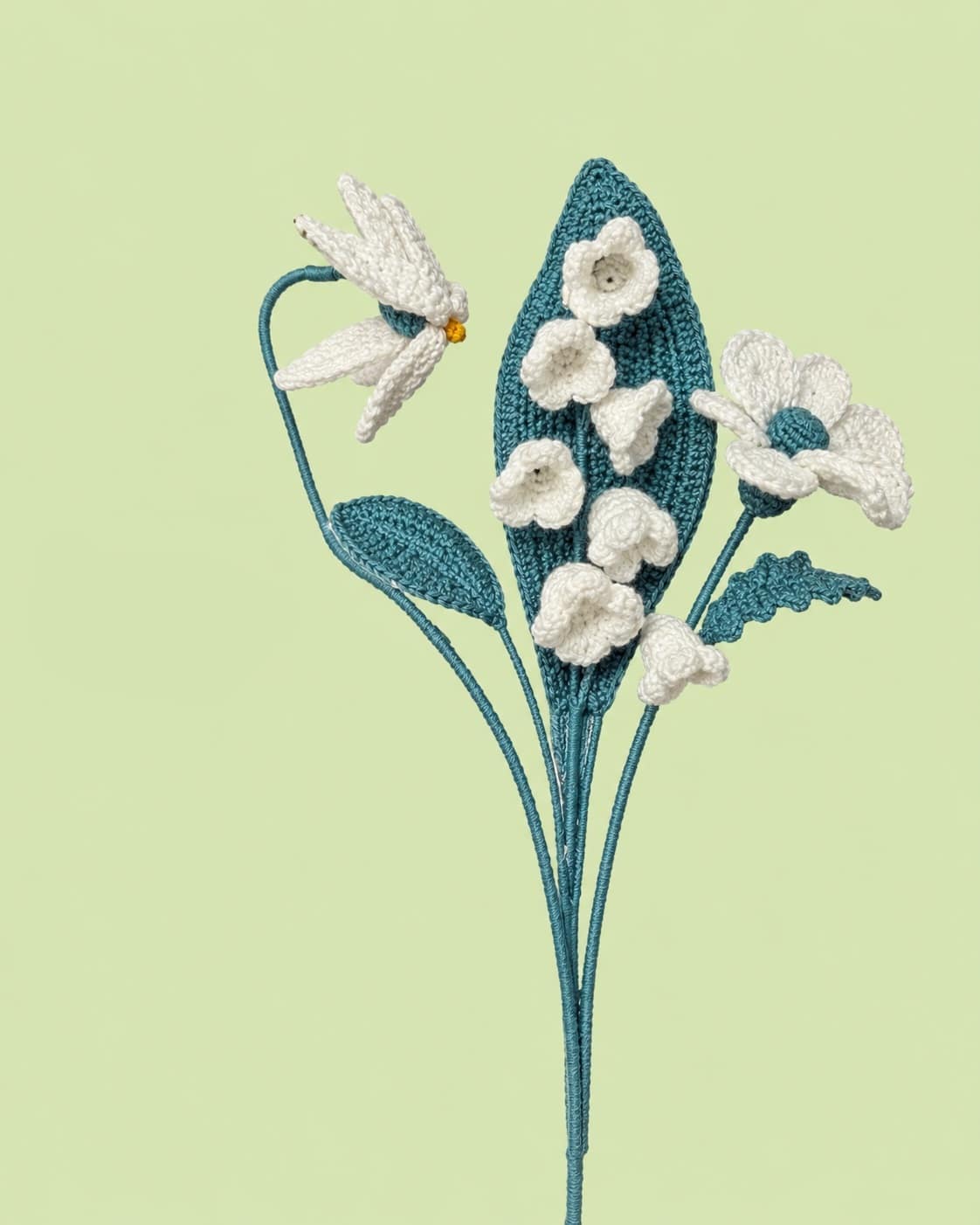
One of the easiest ways to make a bouquet look artificial is to trim every stem to exactly the same length.
Instead, let some flowers sit slightly higher while others nestle lower into the arrangement.
Those subtle differences create movement and help every flower remain visible.
Choose a color palette before you begin
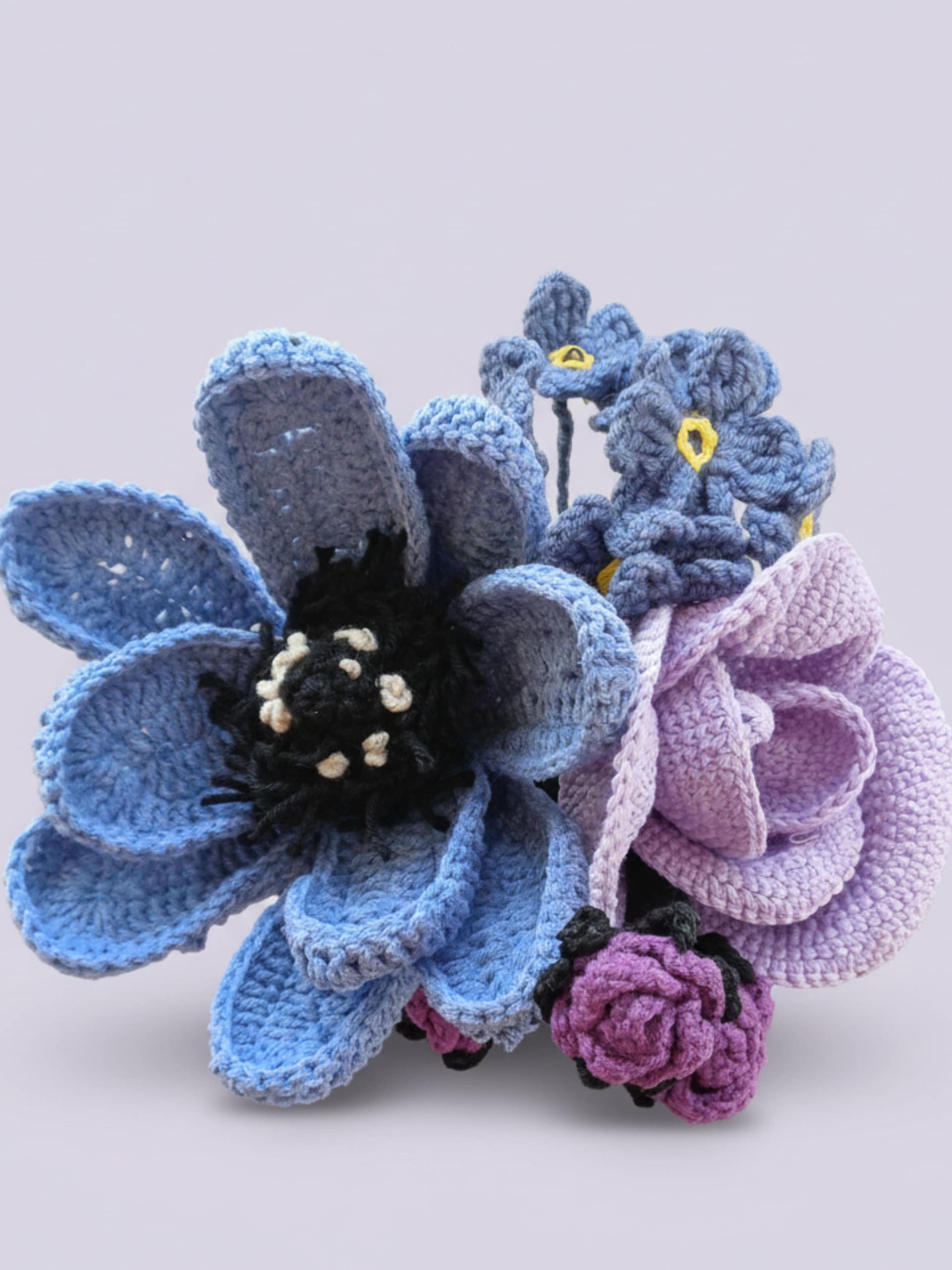
A bouquet becomes more harmonious when the colors are planned in advance.
Some combinations feel soft and romantic. Others feel bold or dramatic. A few ideas include:
Cottage Garden
Soft pinks, whites, creams, and gentle greens. Beautiful flowers for this style include carnations, geraniums, daisies, and lily of the valley.
Modern Botanical
Whites, fresh greens, and natural foliage. Moon orchids, carnations, and simple greenery create a clean, timeless arrangement.
Modern Gothic
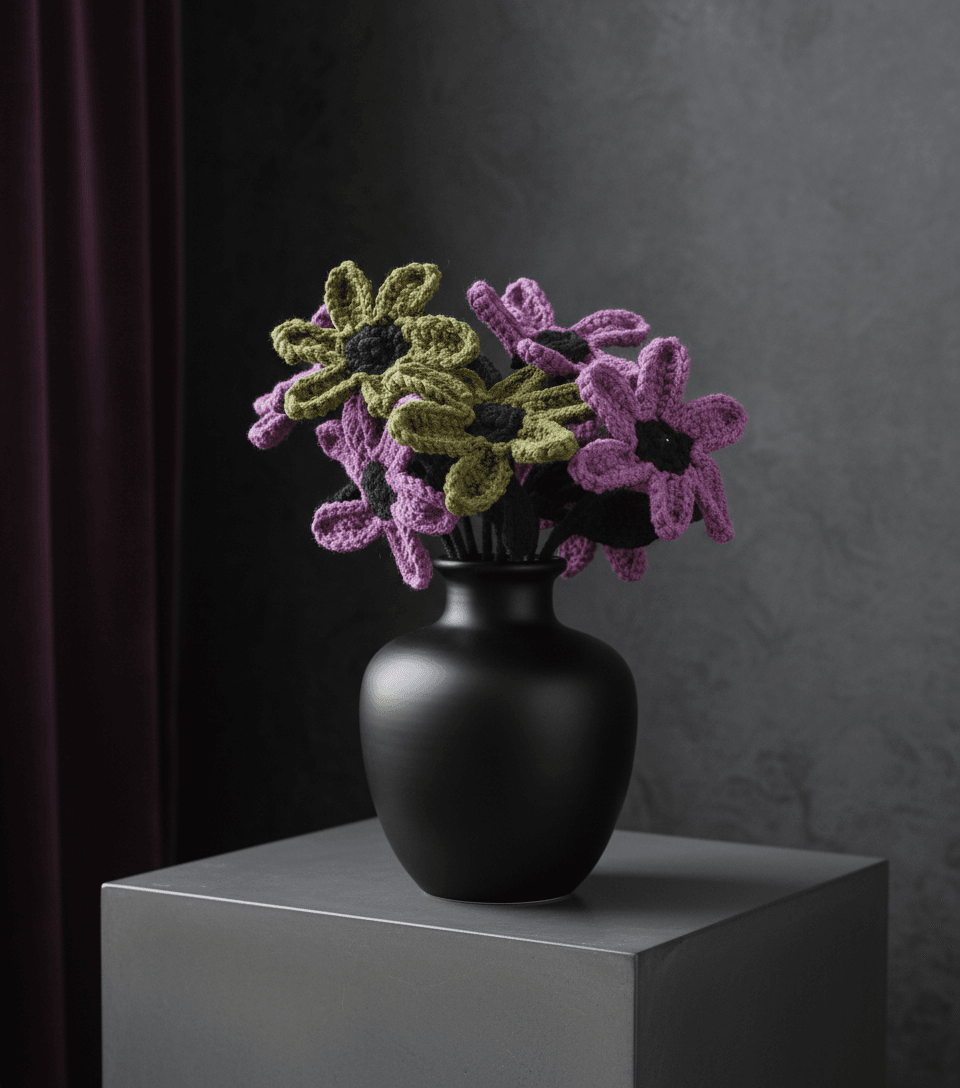
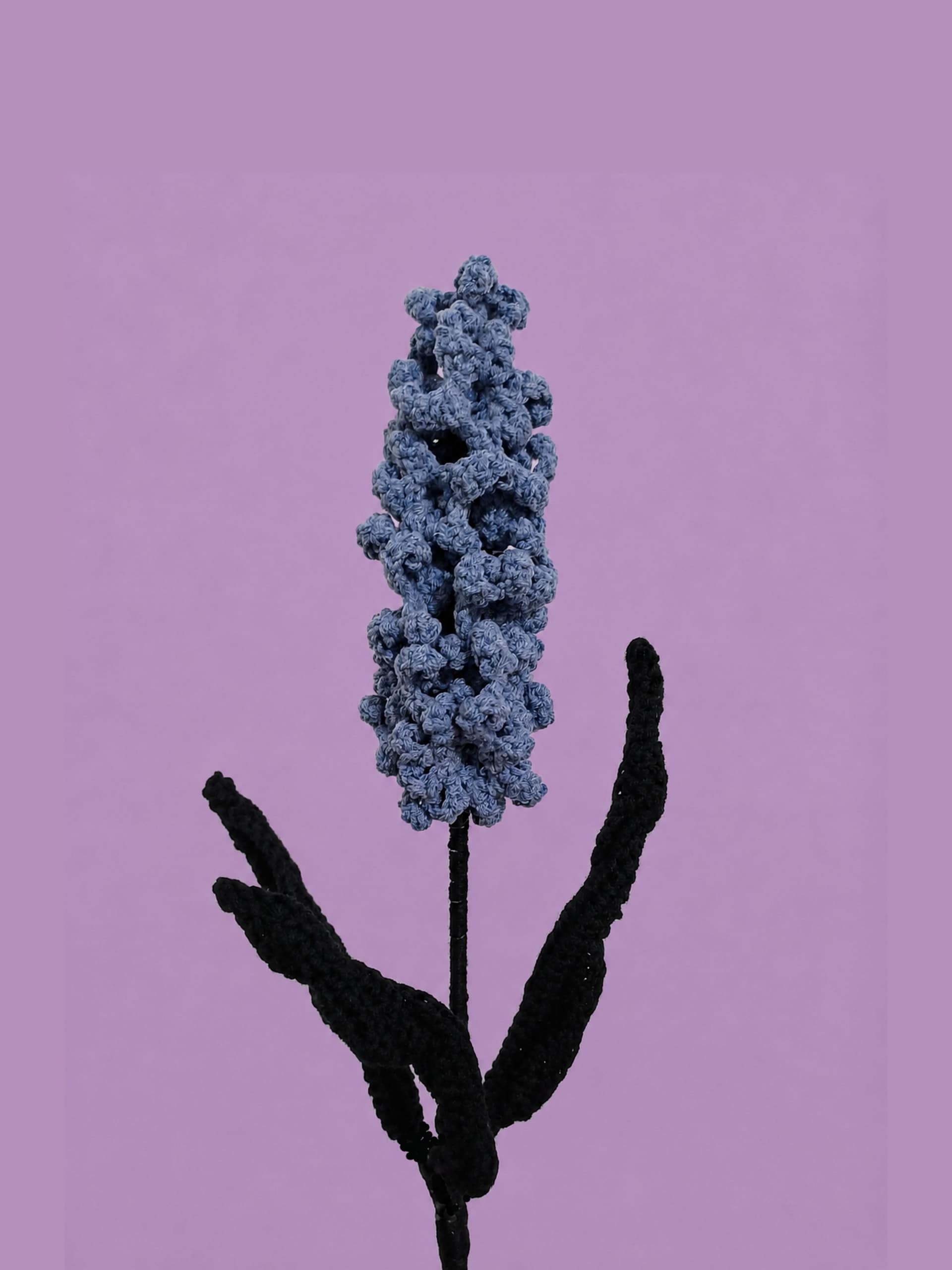
Deep burgundy, black, ivory, plum, and muted greens. Perfect flowers include Skull Poppy, Evil Narcissus, Dark Hyacinth, and Midnight Poppy.
Wildflower Meadow
Mix different heights, colors, and flower shapes to create a bouquet that feels freshly gathered from nature.
Think about flower shapes
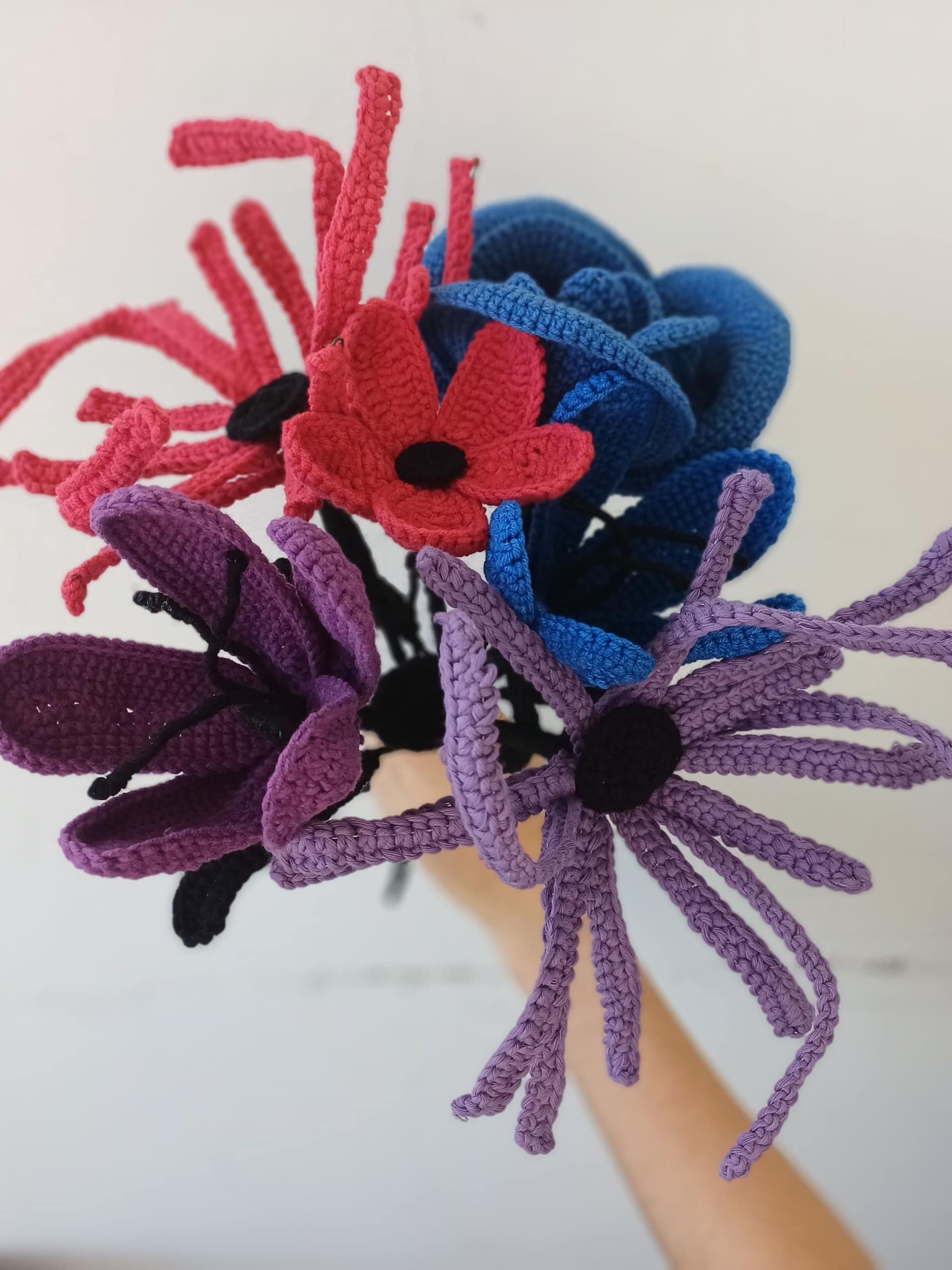
Not every flower should have the same silhouette.
Mix:
- round flowers
- tall flowers
- airy flowers
- clustered flowers
- delicate flowers
The contrast between shapes makes bouquets far more interesting.
Leave room for negative space
A common beginner mistake is trying to fill every gap. Real bouquets breathe.
Small spaces between flowers allow each bloom to stand out and make the arrangement feel lighter and more natural.
Sometimes removing one stem makes the bouquet stronger.
Create movement
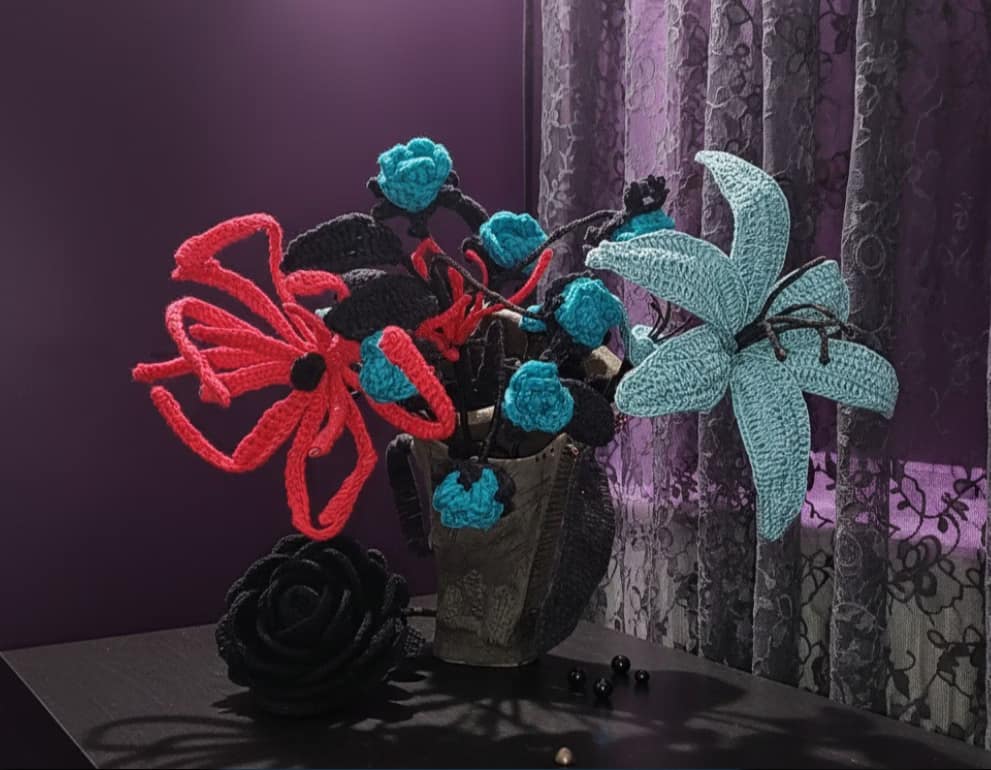
Flowers rarely grow perfectly upright. Tilt a stem. Curve another slightly forward. Let one flower peek out from behind another.
Those gentle movements make a bouquet feel alive rather than symmetrical.
Choose flowers that bloom together
Bouquets often feel more believable when the flowers could naturally share the same season.
For example:
Spring
- Daffodils
- Poppies

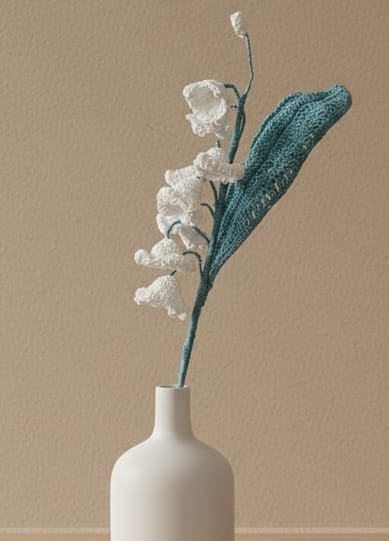
- Lily of the Valley
- Geranium
Summer
- Carnations

- Sunflowers

- Daisies
Elegant All Year
- Moon Orchid
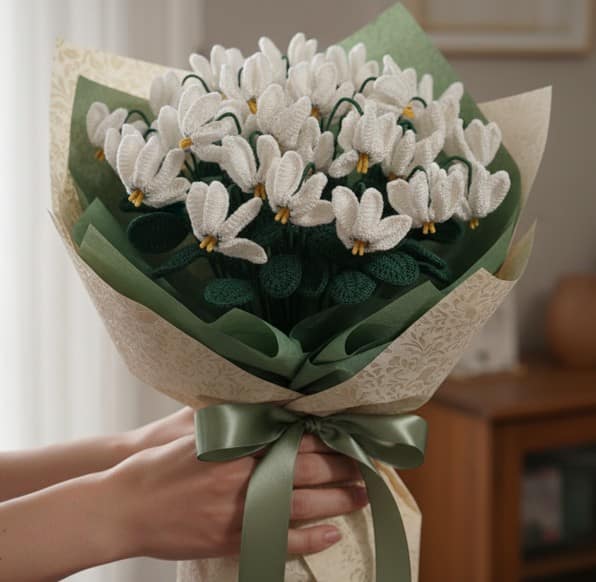
- Cyclamen
- Tulips

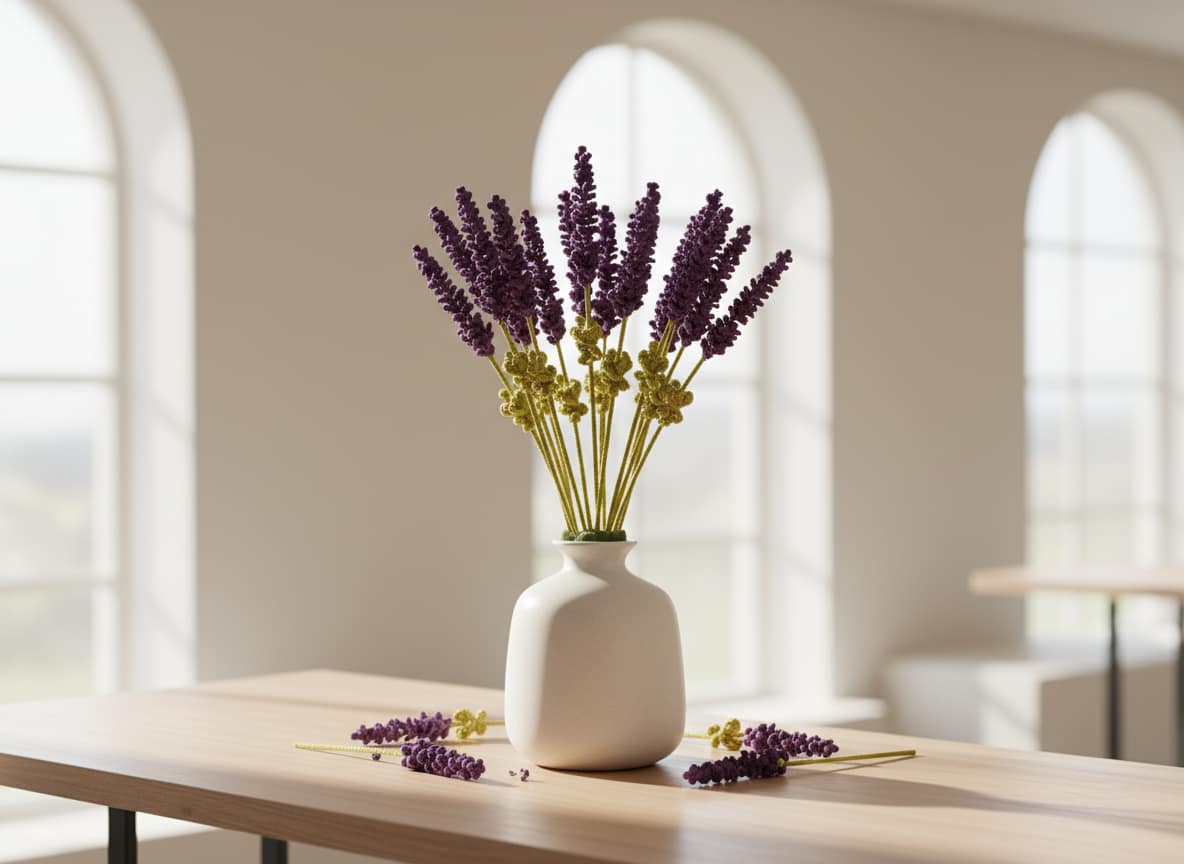
- Lavender
Match the bouquet to its purpose

Different occasions call for different arrangements.
Home decor
Focus on balance and timeless colors.
Weddings
Choose elegant flowers with soft palettes and graceful movement.
Gifts
Smaller bouquets often feel more personal and easier to display.
Graduation
Graduation bouquets are all about celebration, personality and imagination. Choose bright, cheerful flowers in the graduate’s favorite colors, or match the bouquet to their school colors for a thoughtful, personal touch.
Gothic interiors
Use dramatic flowers, darker colors, and sculptural stems to create a striking centerpiece.
My favorite bouquet formula
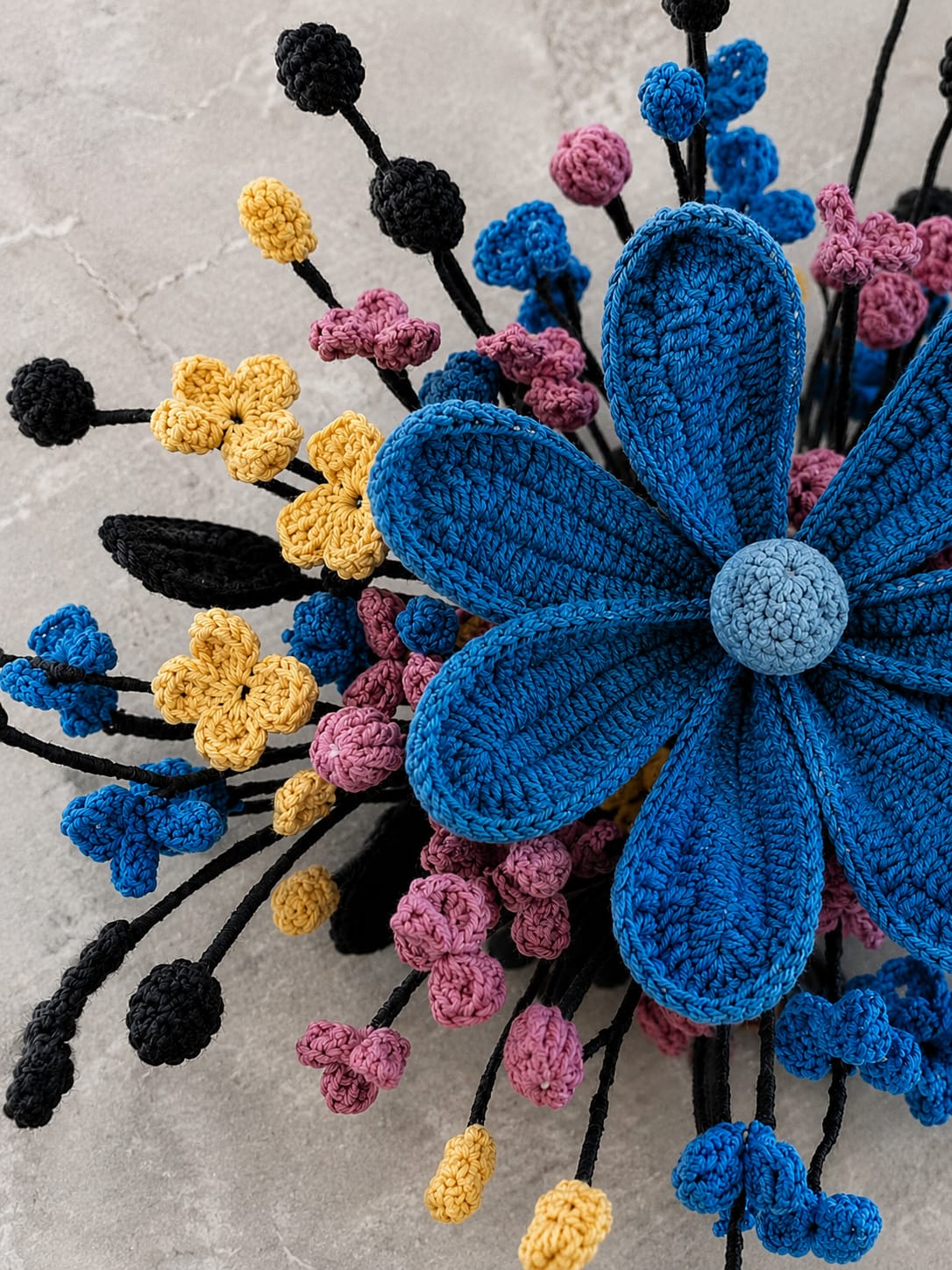
When I’m planning a bouquet, I often follow a simple recipe:
- 1 focal flower
- 2 medium flowers
- 3 to 5 smaller flowers
- a few leaves or filler stems
It’s not a rule, but it’s an easy starting point that creates balance without making the bouquet feel overcrowded.
Frequently Asked Questions
How many flowers should a crochet bouquet have?
There’s no fixed number, but most small bouquets look balanced with five to nine stems, while larger statement arrangements often contain ten or more.
Can I mix different crochet flower patterns?
Absolutely. Mixing different flower shapes and sizes usually creates a more natural and interesting bouquet than repeating a single flower.
Should every flower be the same color?
No. A limited color palette with gentle variation usually looks more realistic than using many unrelated colors.
Which flowers work well together?
Flowers with contrasting shapes often complement each other beautifully. For example, a Moon Orchid pairs well with smaller Forget-me-nots, while Geraniums combine nicely with delicate greenery.
Can beginners make crochet bouquets?
Yes. Many crocheters begin by making one flower at a time and gradually build a bouquet as their collection grows.
Do crochet bouquets need foliage?
Not always, but leaves and greenery add depth and help the arrangement feel more natural.
Create Your Own Crochet Bouquet
One of the joys of crochet is that your bouquet never has to follow the seasons. You can combine spring blossoms with summer blooms, recreate flowers that hold special memories, or design an arrangement that perfectly suits your home.
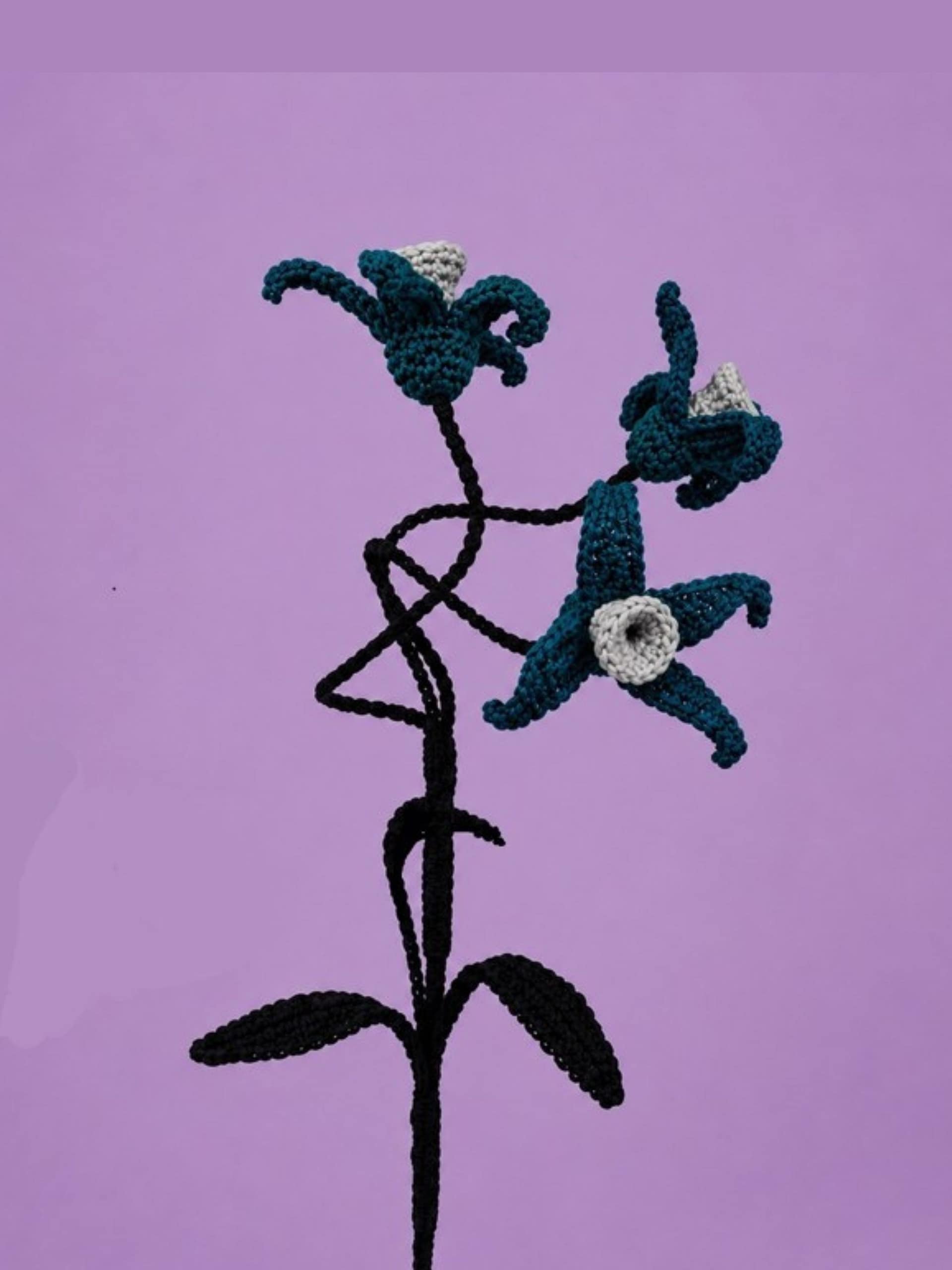
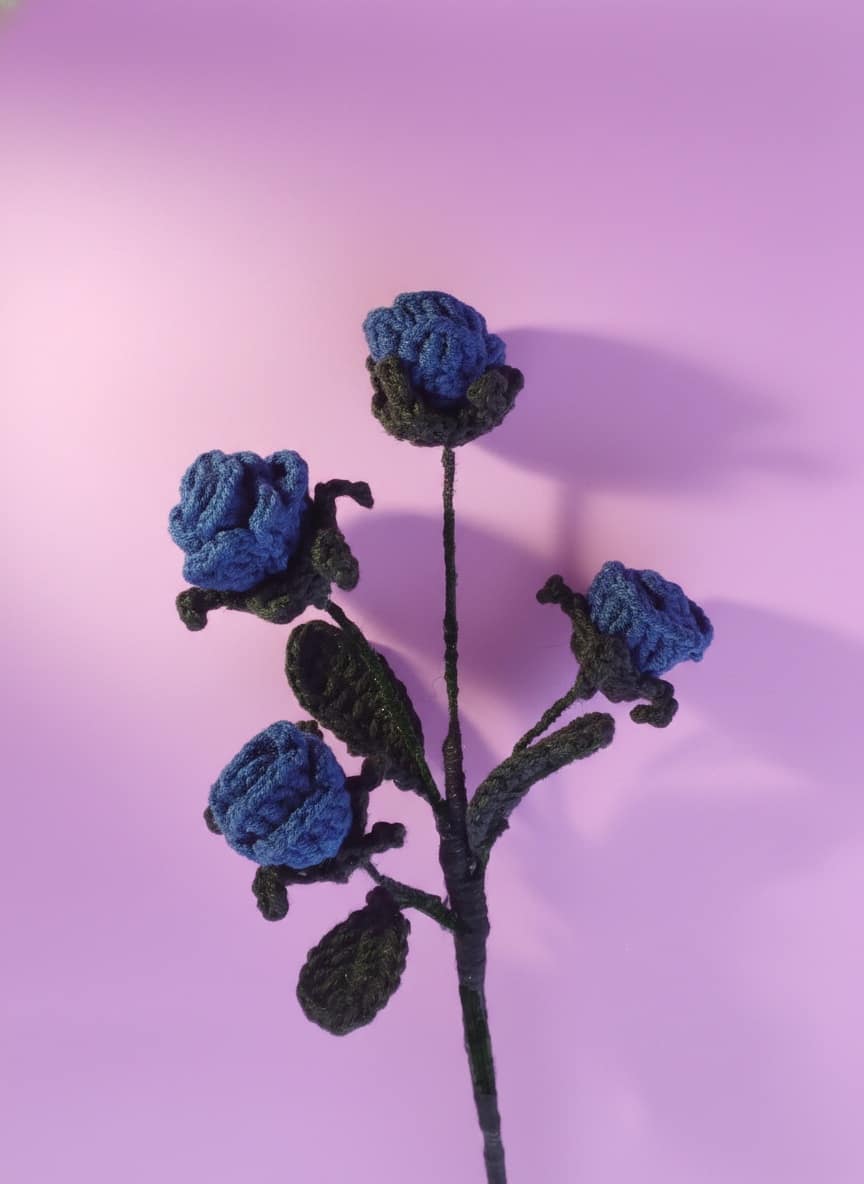
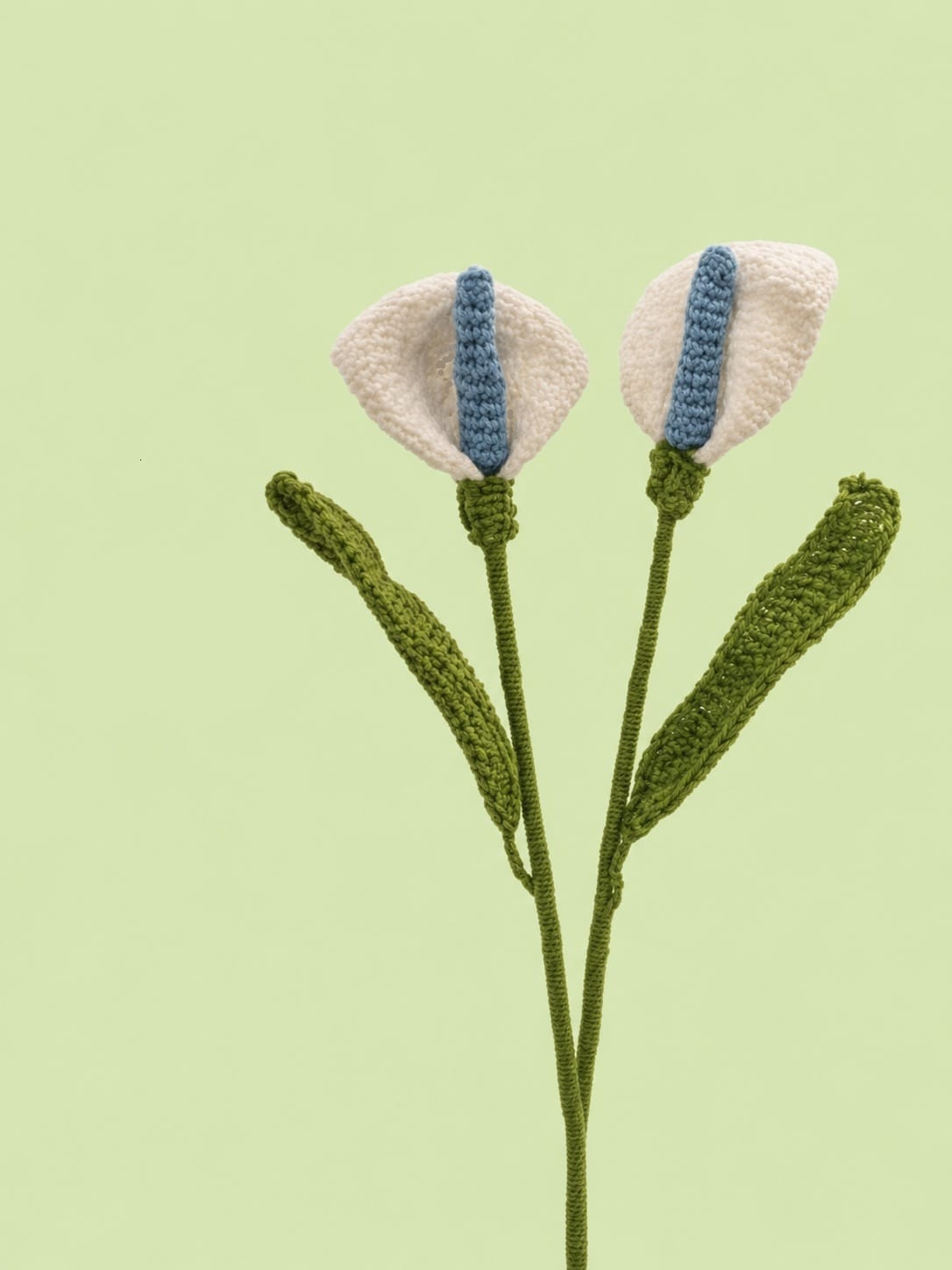
If you’re looking for inspiration, here are a few flowers from 3 different styles/collections that pair beautifully together:
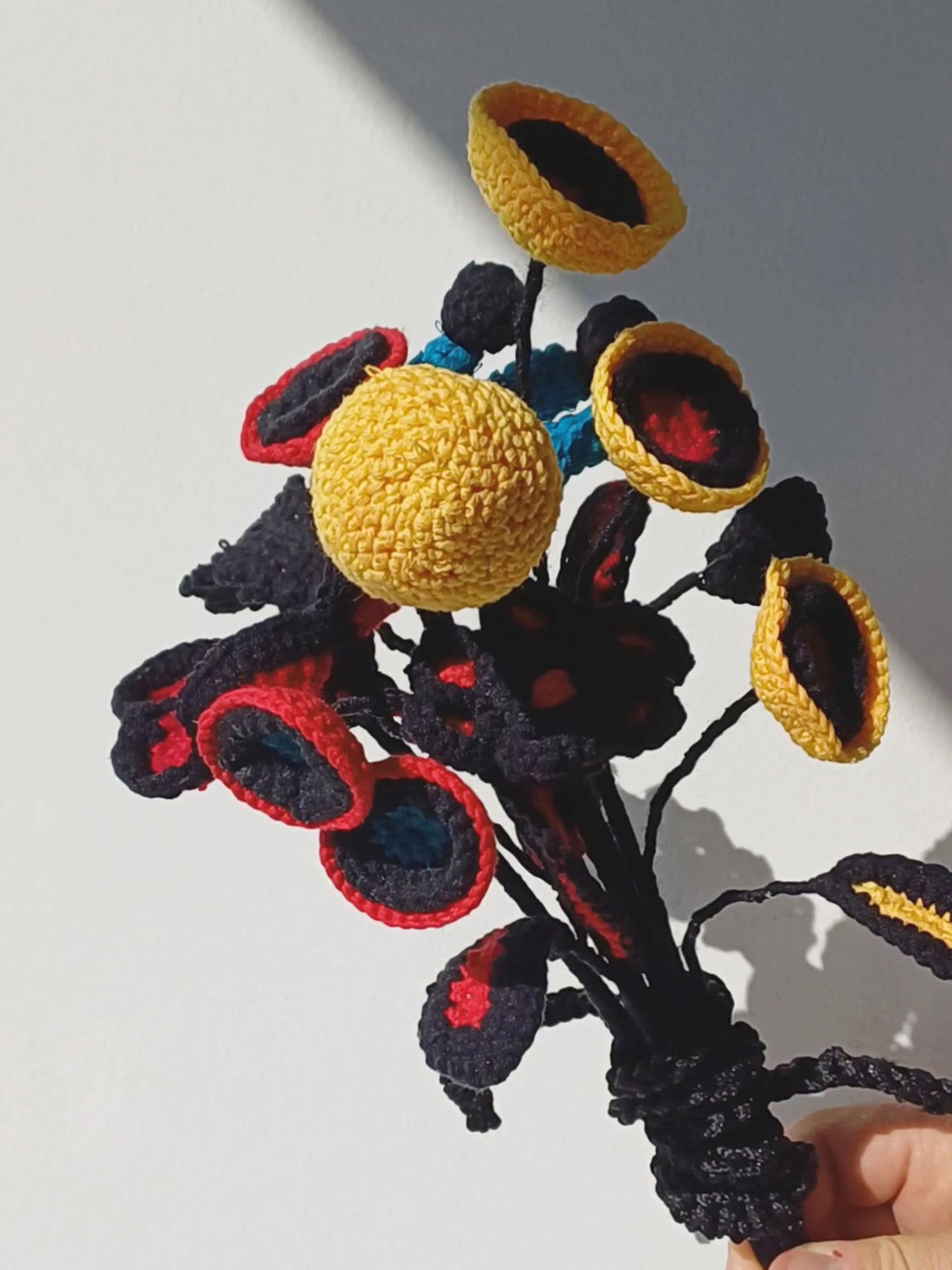
Dark Bloom Collection
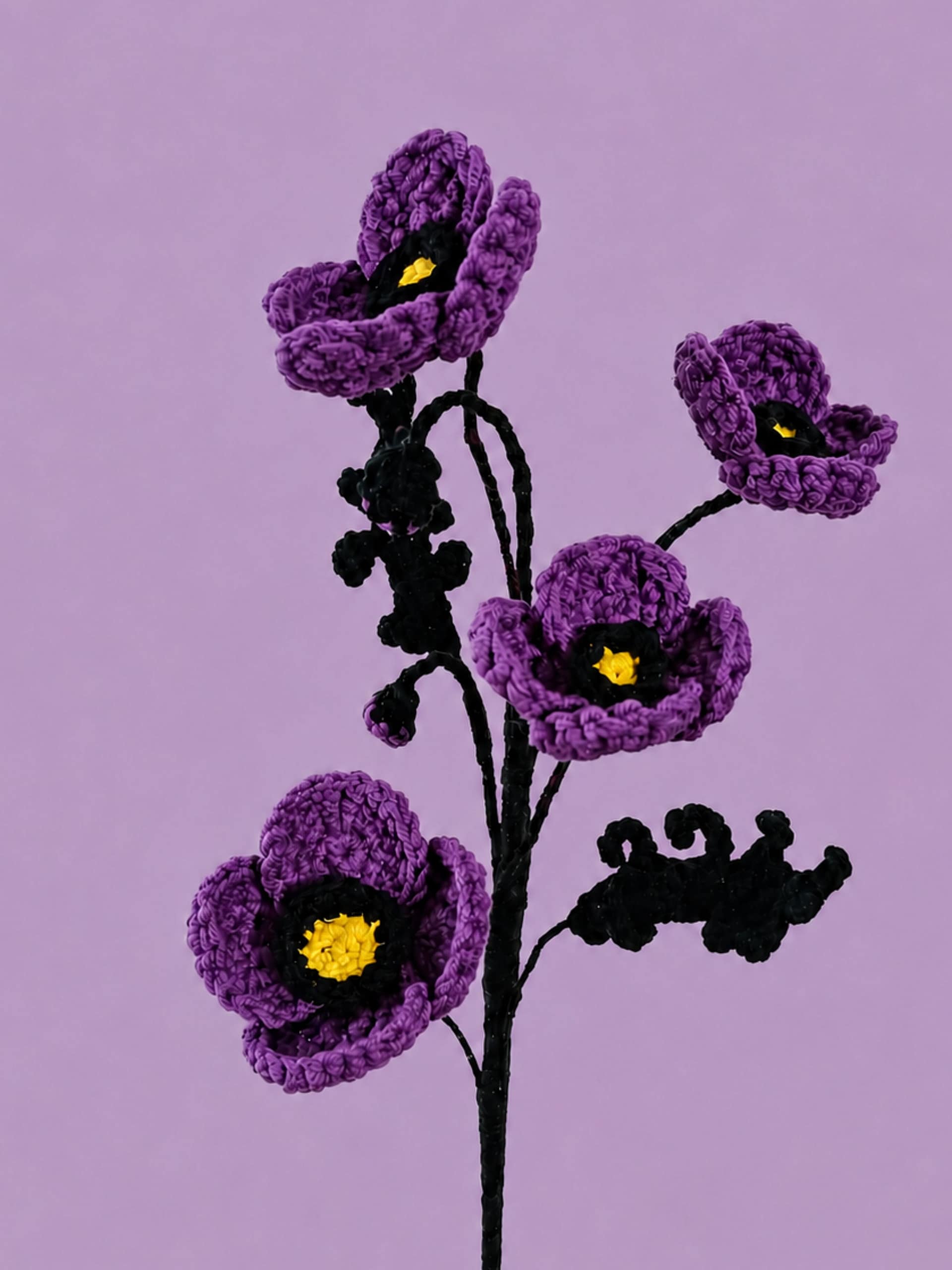
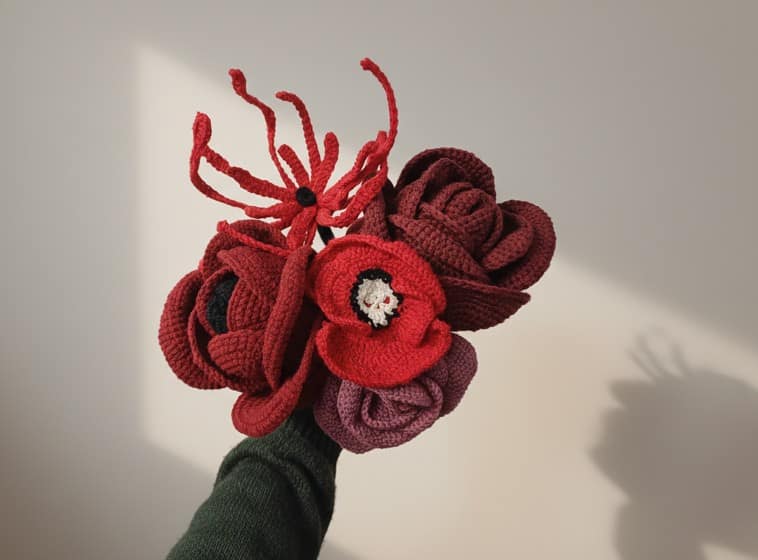
True Garden Collection
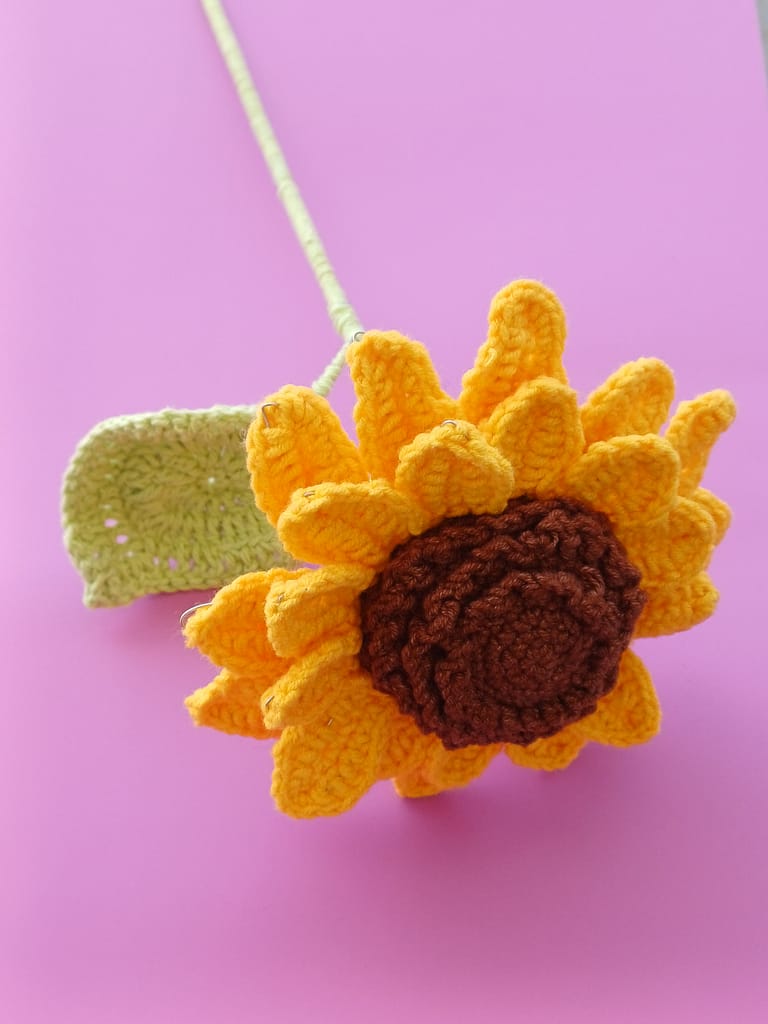
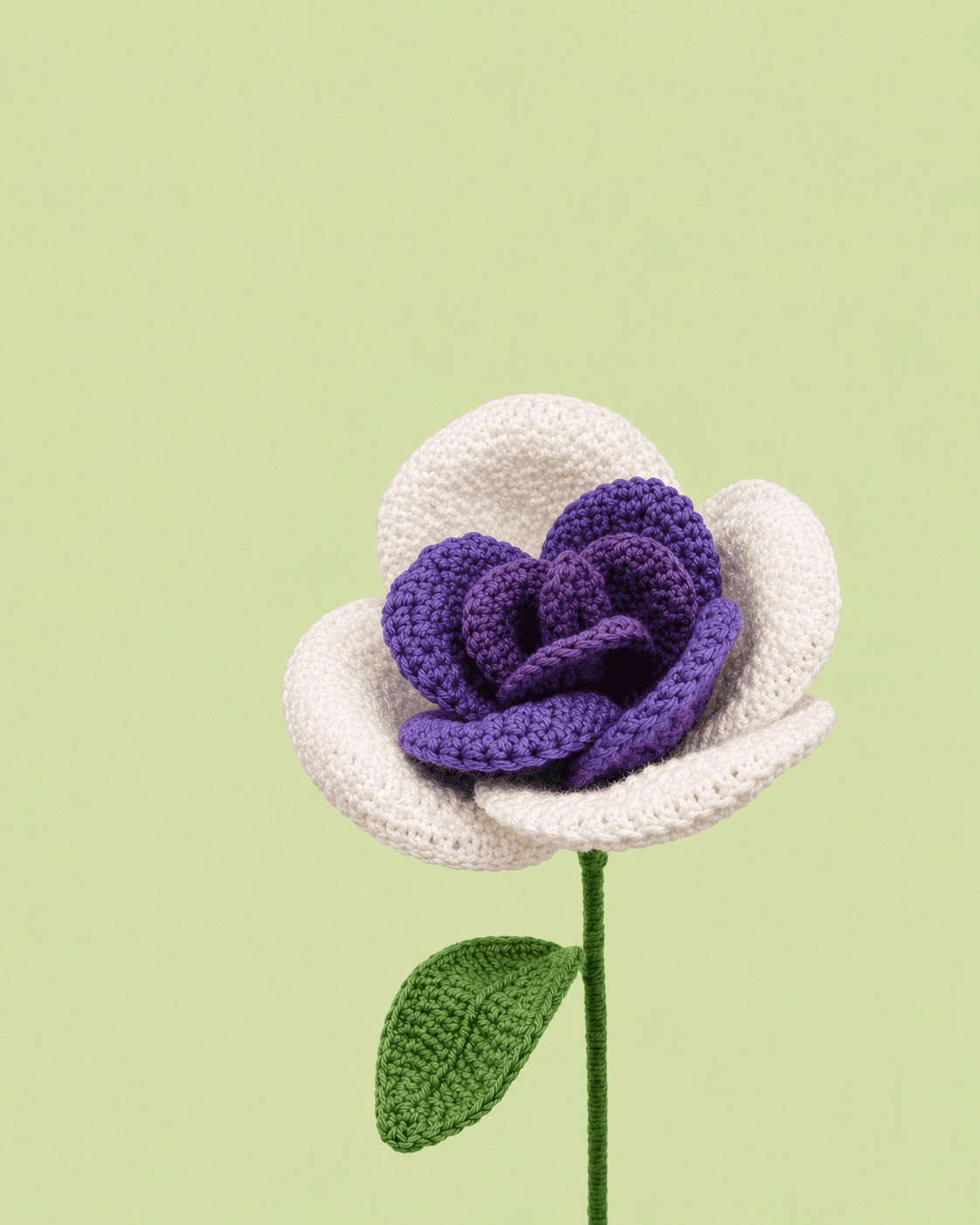
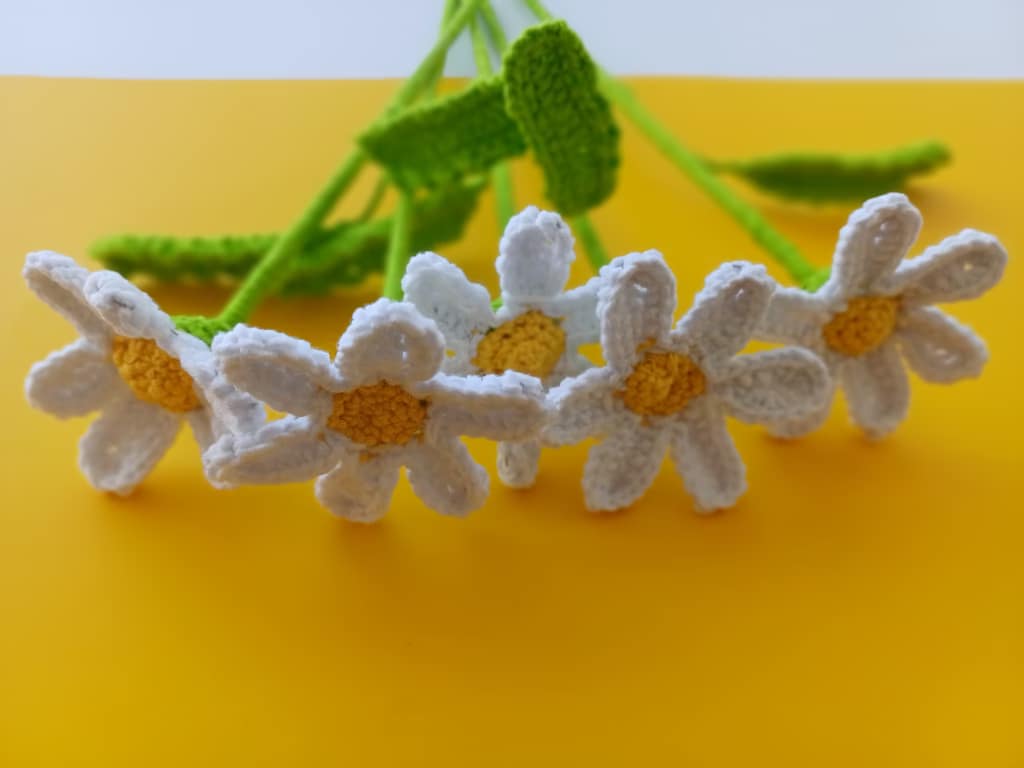
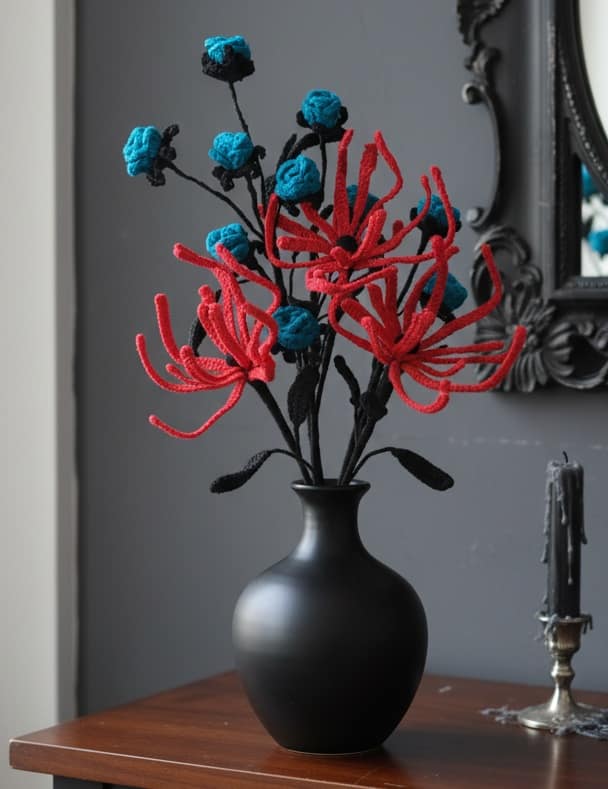
Alien Echo Collection
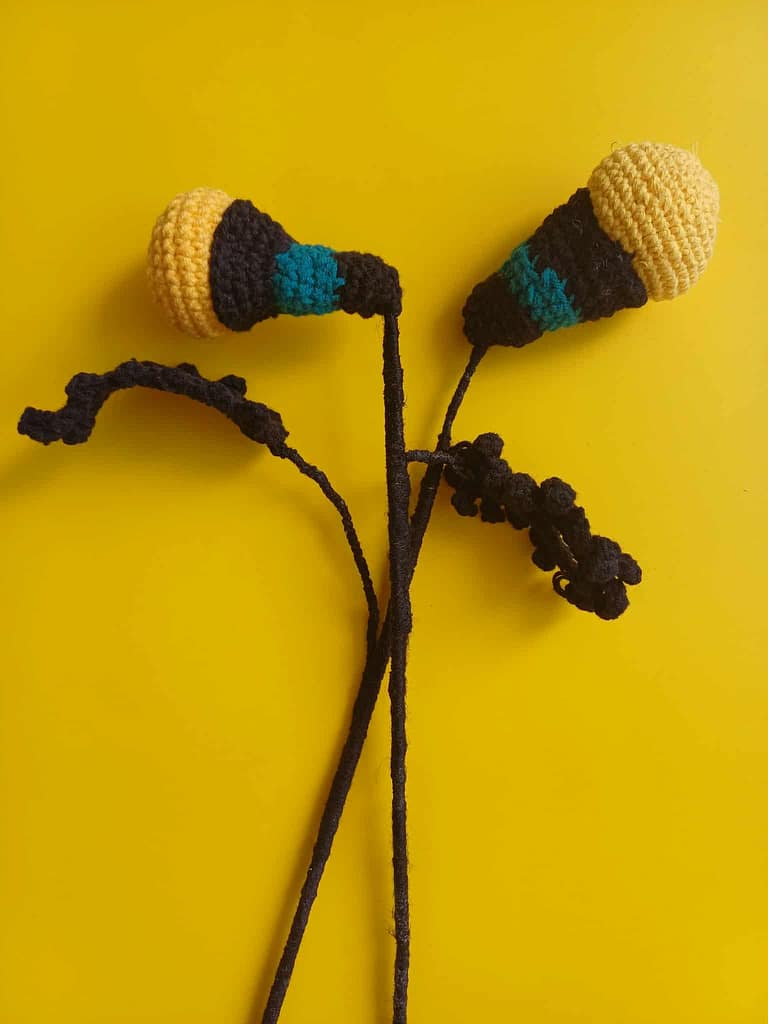
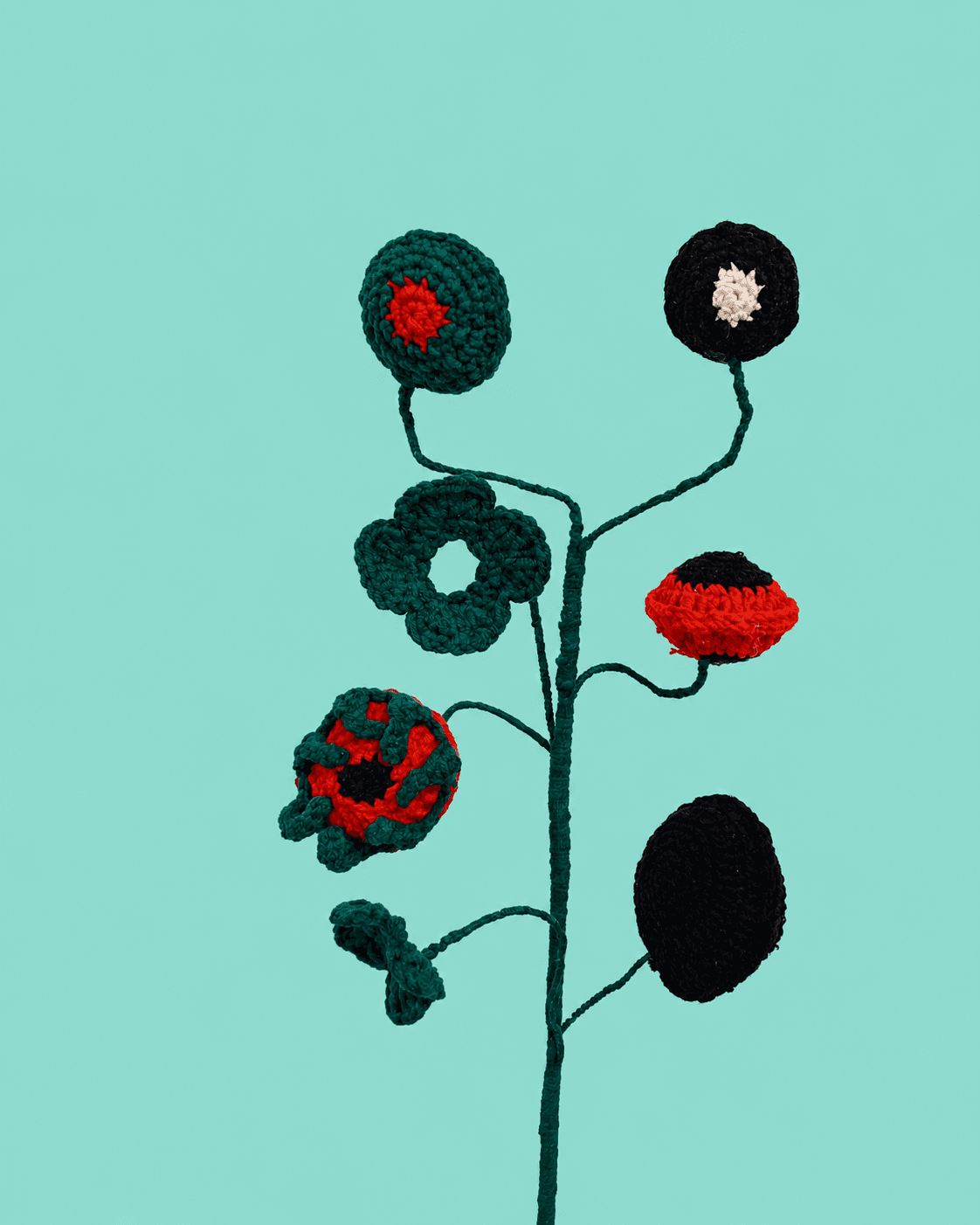

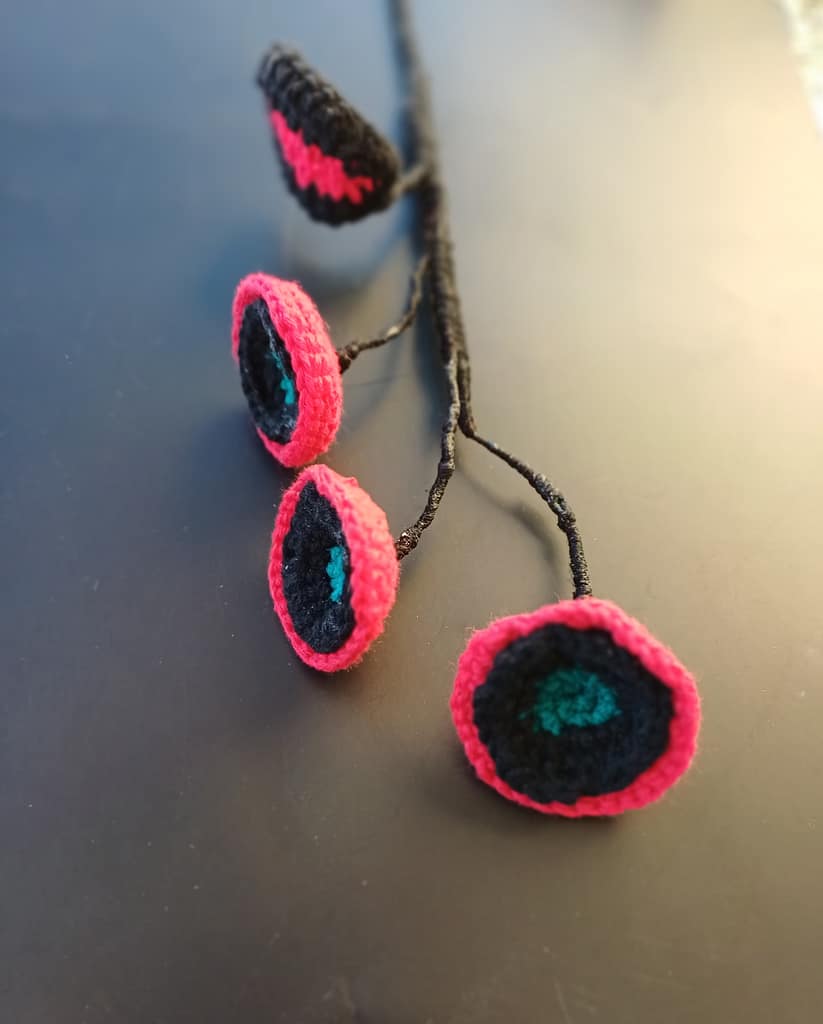
Every bouquet tells a different story. The flowers you choose, the colors you combine, and the way you arrange them make each one uniquely yours.
Explore all crochet flower designs here.
Bouquet Recipes to Inspire Your Next Project
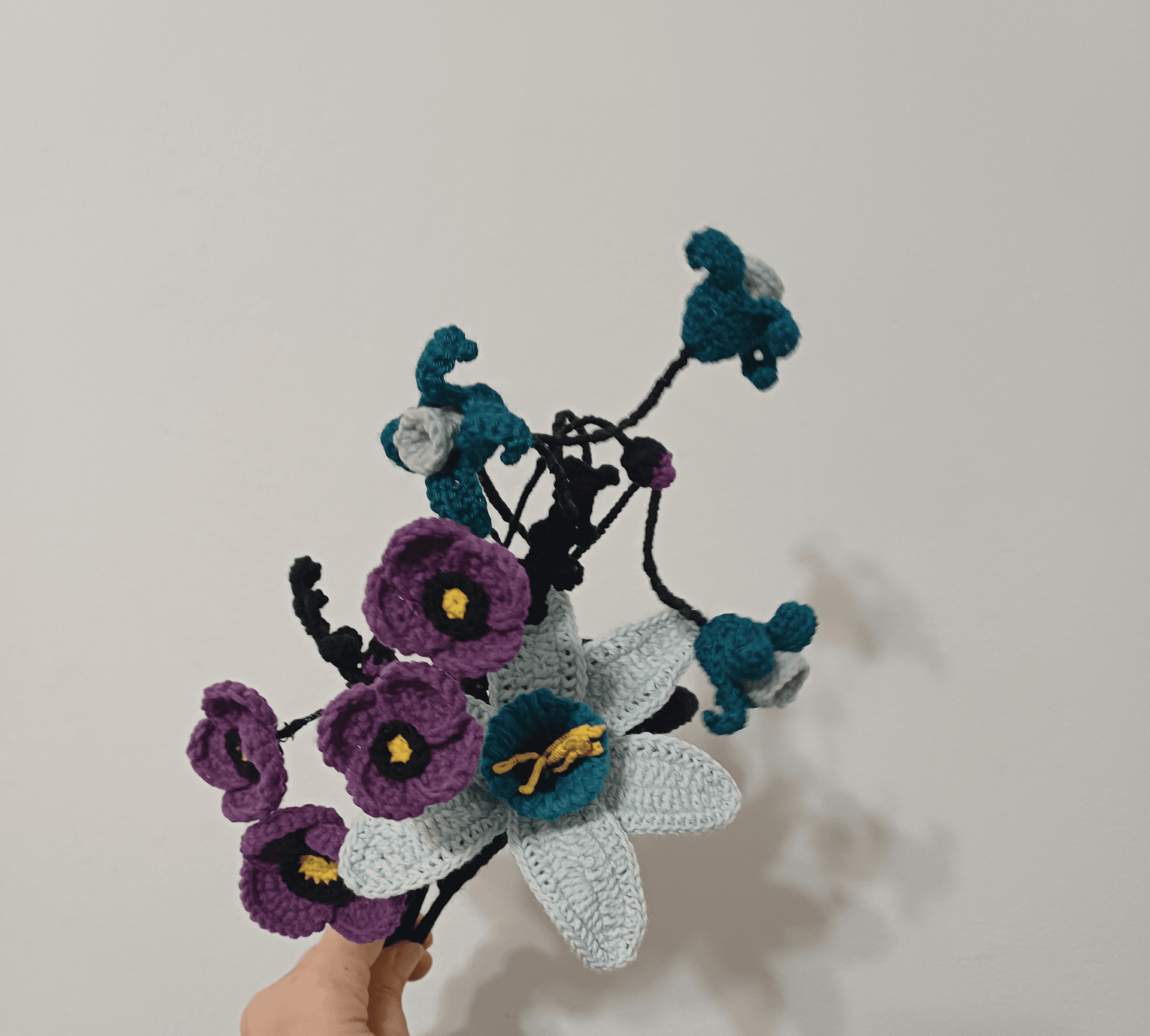
Florists have recipes for beautiful bouquets, and crocheters can too. Instead of wondering which flowers will work together, start with one of these combinations. Each bouquet has its own mood and can be recreated using my crochet pattern bundles or individual flower patterns.
Until next bloom,
🖤
Kootsiko
Join my newsletter to receive new patterns, tutorials, and the occasional free surprise.
Read more
Crochet Flowers as Gifts: A Thoughtful Choice for Allergies, Pregnancy and Pets
Thinking of giving crochet flowers as gifts? They do not produce pollen, have no natural floral frag…
How to Spot AI Crochet Patterns Before You Buy
AI crochet patterns are everywhere, but an AI-looking image doesn’t necessarily mean the pattern is …
Birth Month Flowers You Can Crochet: Meanings, Symbolism & Pattern Ideas for Every Month
Looking for the perfect birthday crochet gift? Discover every birth month flower, what each one symb…
How to Choose Flowers for a Crochet Bouquet That Looks Beautiful
A beautiful crochet bouquet isn't just about making pretty flowers. It's about choosing blooms that …
How to Make Realistic Crochet Flowers: 10 Secrets That Bring Yarn to Life
Learn how to make realistic crochet flowers with better yarn choices, petal shaping, wire techniques…
Zephyra – Free Crochet Flower Pattern
Create your own Zephyra crochet flower with this free crochet flower pattern. An easy pinwheel-inspi…
Crochet Flowers With Dark Meanings: 10 Blooms That Tell a Story
Discover crochet flowers with dark meanings and the symbolism behind each bloom. Create handmade bou…
10 Ways to Style Crochet Flowers in a Modern Gothic Home
Think gothic decor means skulls and cobwebs? Think again. Here are 10 stylish ways to decorate a mod…
From Cottagecore to Gothic: My Crochet Poppy Pattern Obsession
One crochet poppy pattern led to another. Discover cute mini bouquets, moody Midnight Poppies and go…
How to Read a Crochet Pattern: A Beginner’s Guide
Learning how to read a crochet pattern can feel like decoding a secret language. In this beginner's …