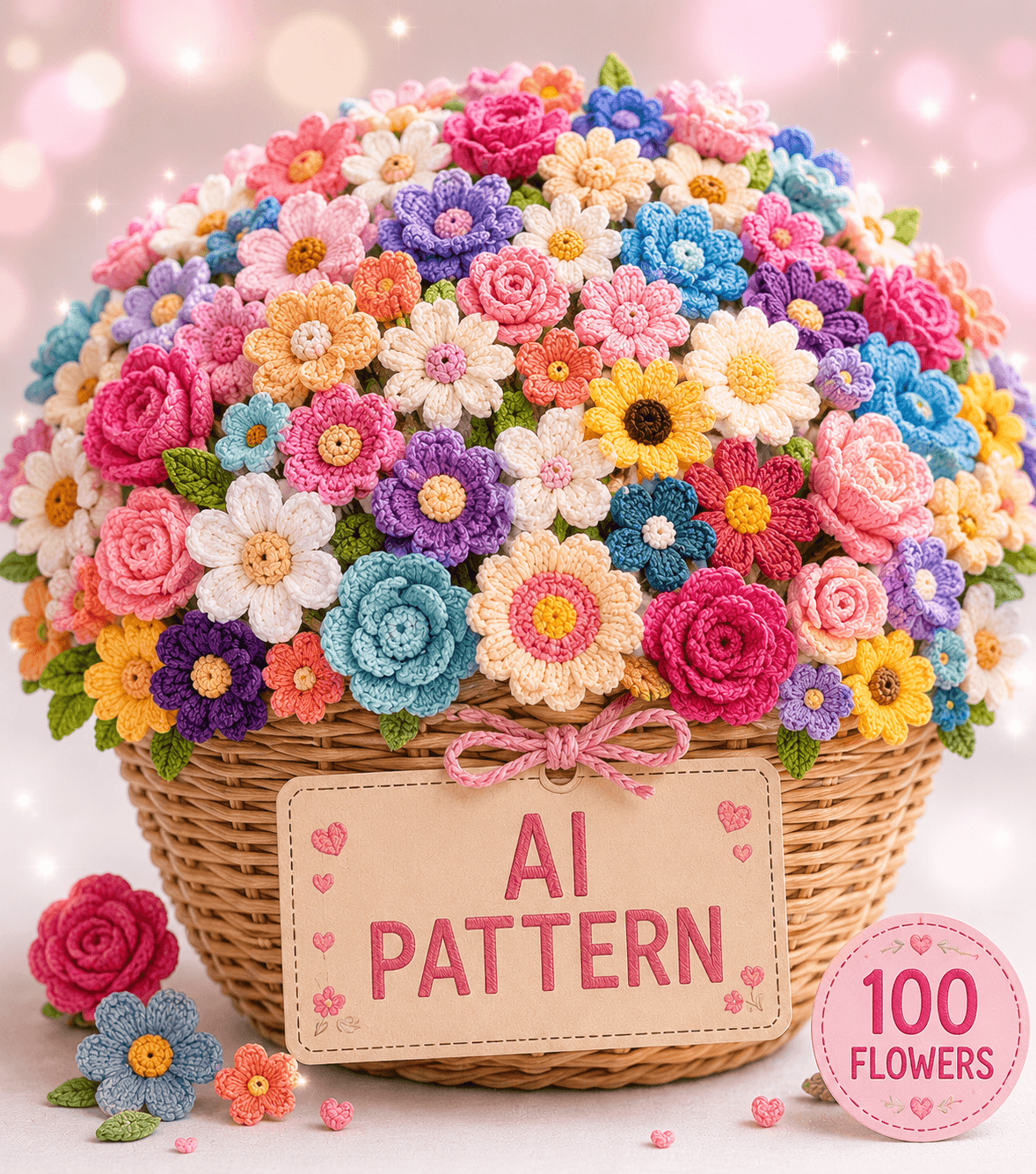
AI-generated crochet patterns have made buying patterns online a little more complicated.
The problem isn’t simply that AI can create convincing images of crochet. It’s that some sellers use those images to sell instructions for objects that were never actually crocheted.
The resulting AI crochet pattern may be inaccurate, confusing or, in some cases, physically incapable of producing what you see in the picture. But there’s another complication.
An image that uses AI doesn’t necessarily mean the crochet pattern was created by AI.
Independent designers can use AI to replace a messy background, create a lifestyle setting or improve the presentation of something they genuinely designed and crocheted. Others use Photoshop, professional mockups or photographers.
So, trying to decide whether a pattern is legitimate based only on whether its thumbnail “looks AI” isn’t particularly reliable anymore.
There’s a better question to ask: What evidence is there that this crochet design actually exists and that the pattern can make it?
Here’s what I would look for before buying.
Quick answer: How can you tell if a crochet pattern is AI-generated?
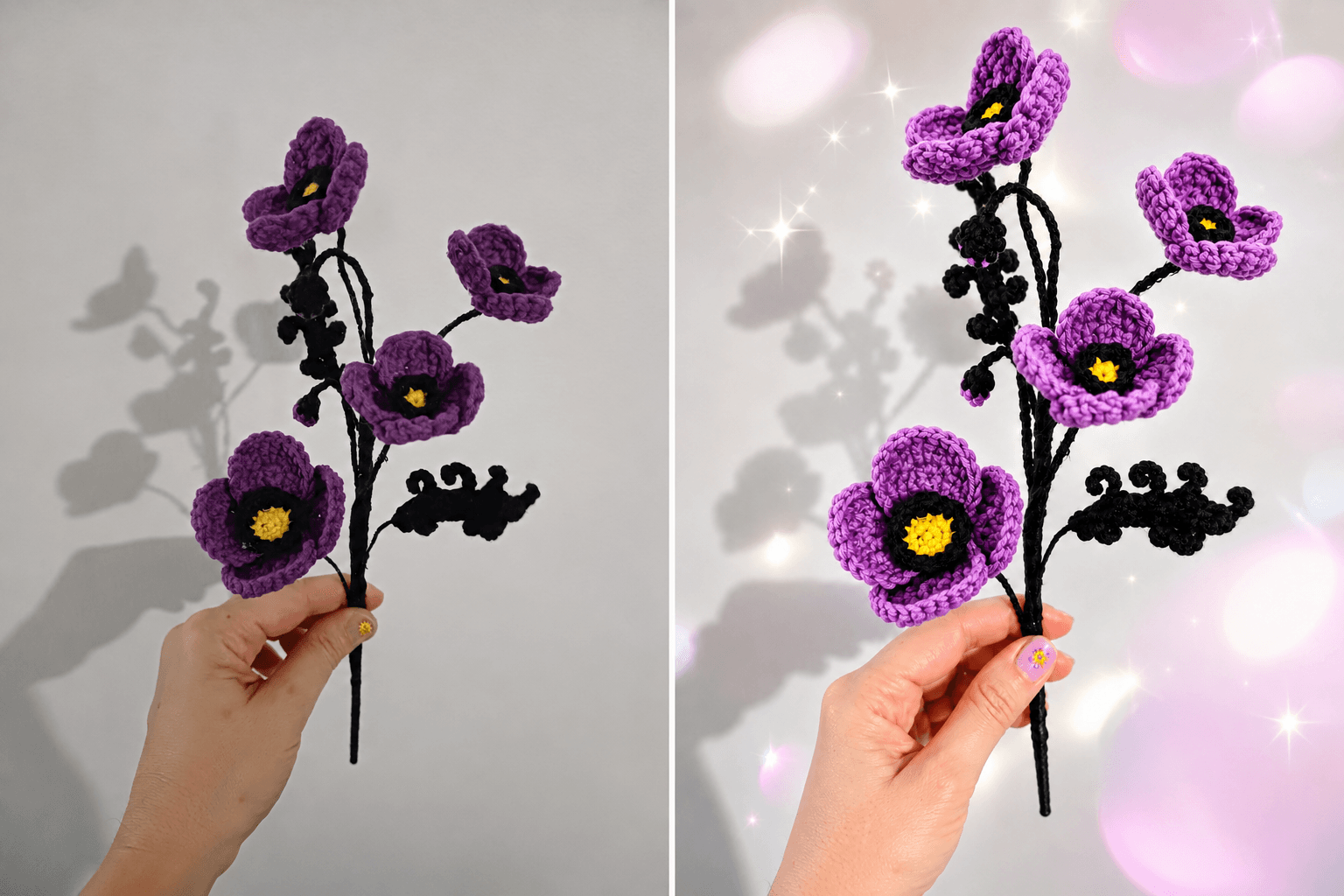
You usually can’t know for certain from the first image. Instead, look for evidence behind the image.
Check whether the actual crochet piece appears in real photographs or video, whether the construction makes sense, whether the seller shows pages from the pattern, whether customers have successfully made it and whether there’s a real designer and body of work behind the shop.
One suspicious detail doesn’t necessarily mean anything. Several missing pieces of evidence should make you look more carefully before buying.
First: An AI image doesn’t necessarily mean an AI pattern
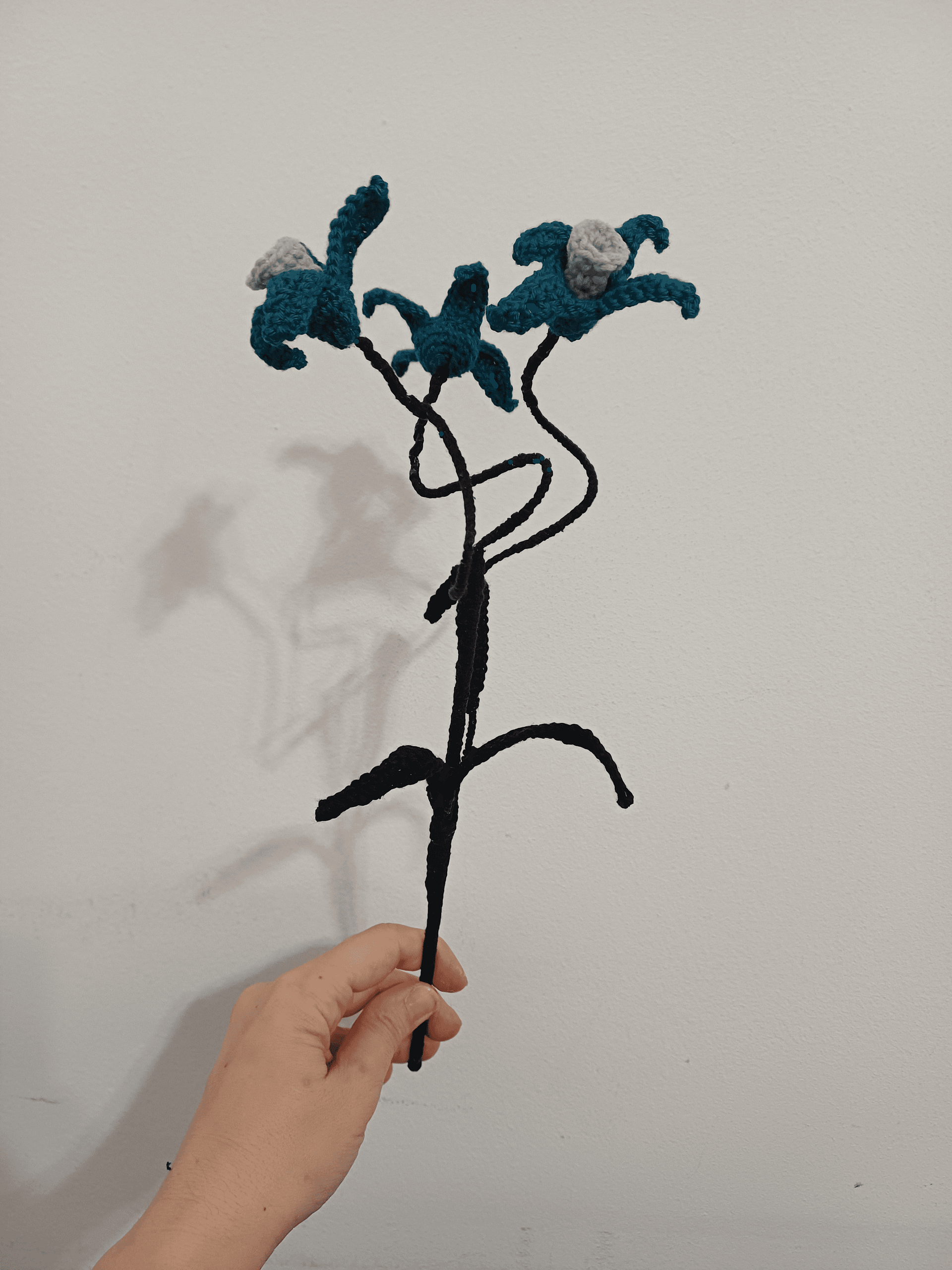
This distinction matters. Imagine I crochet a flower on my very real, very unphotogenic workbench:
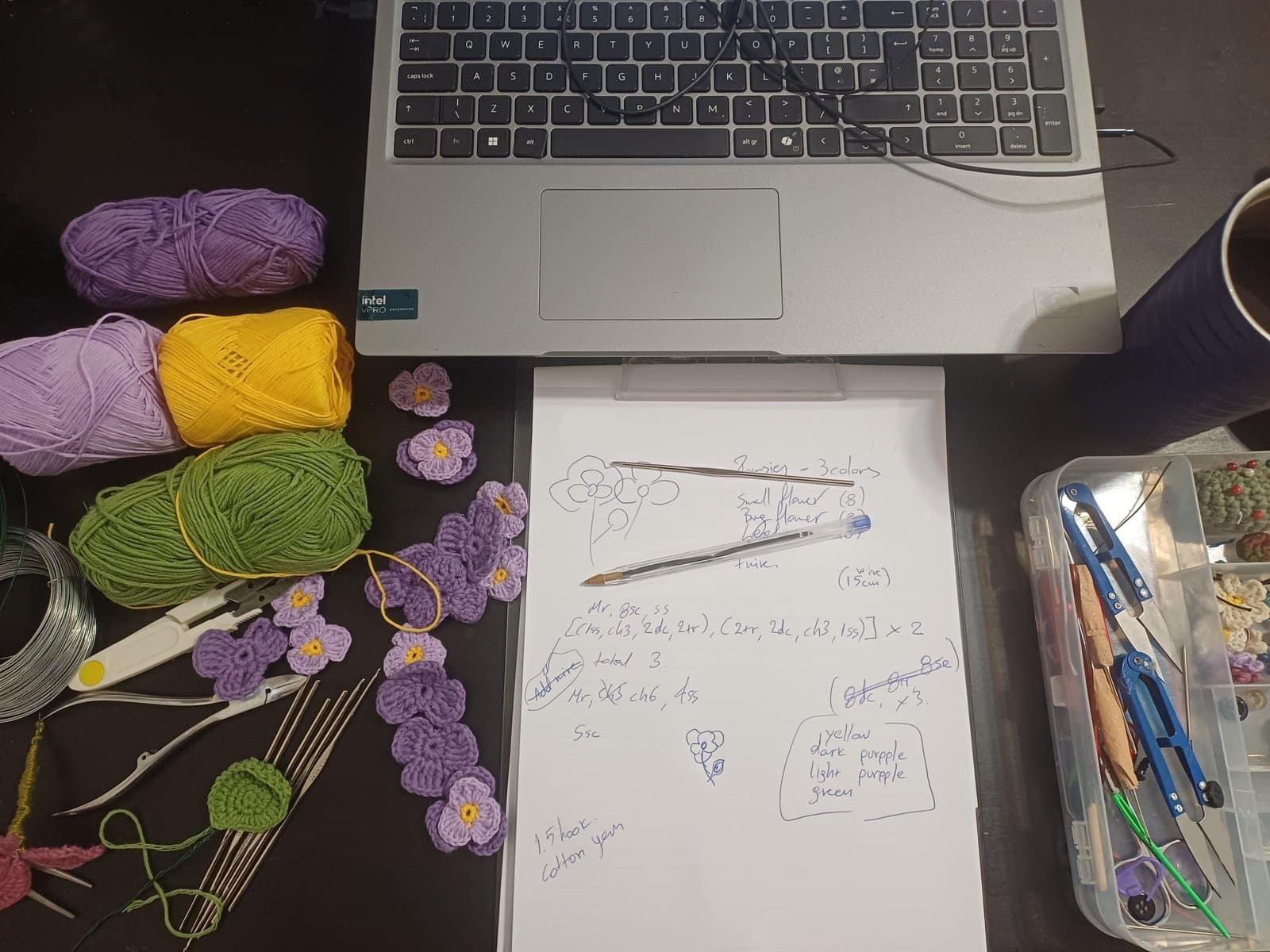
The flower exists. I designed it. I crocheted it. I wrote down every stitch. I photographed it.
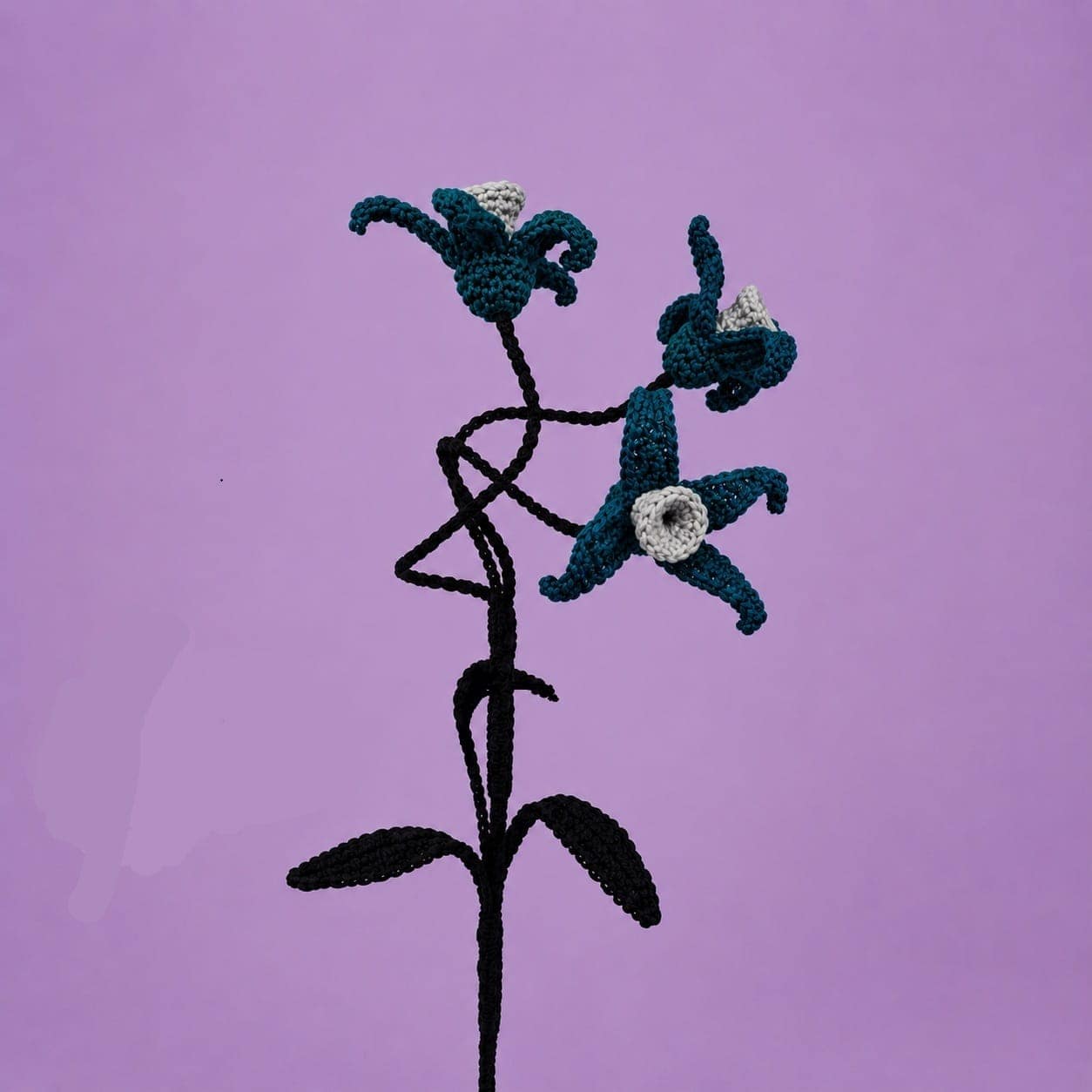
Then I use AI to remove my laptop, coffee mug and approximately 400 pieces of yarn from the background and place my real flower against something prettier.
AI has been used in the image. It hasn’t been used to invent the crochet design.
That’s very different from generating an image of a beautiful imaginary crochet flower and then selling instructions supposedly capable of creating it.
I use AI-assisted imagery myself at Kootsiko, which is exactly why I don’t think “this photo looks like AI” is a good enough test. Instead, keep scrolling. The evidence you’re looking for is usually elsewhere in the listing.
1. Look for a real photograph of the crochet
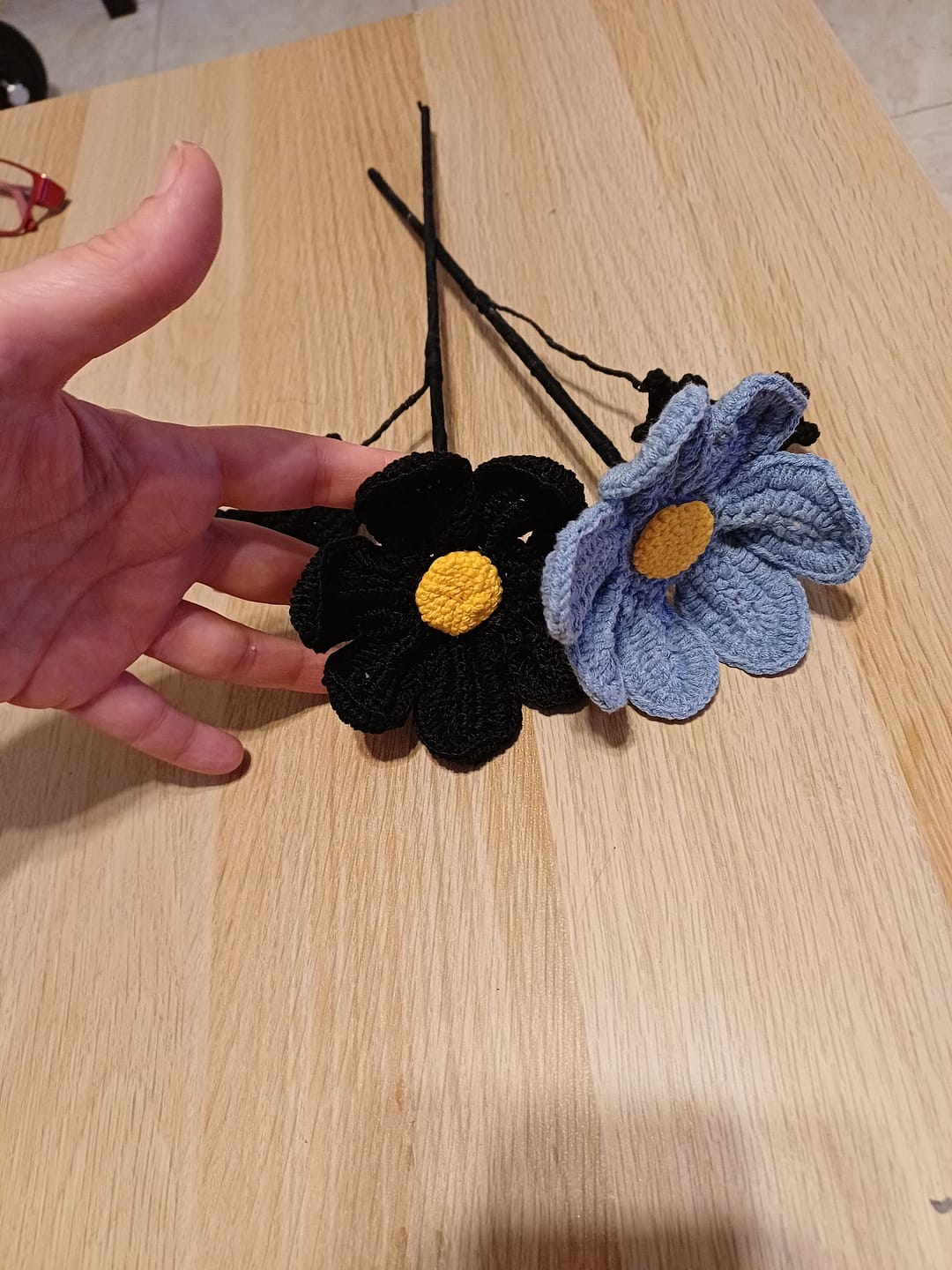
A polished hero image is designed to get your attention. Now look for the less glamorous evidence.
Is there a photograph of the actual piece on a desk? In someone’s hand? Beside the materials? In ordinary lighting? The image doesn’t have to be beautiful.
In fact, in this particular situation, the slightly awkward photograph can be extremely useful because its purpose isn’t to sell you a fantasy. It’s to show you: This object exists.
That’s one reason I’ve started deliberately including completely ordinary photographs in my own pattern listings alongside the polished ones.
Sometimes the ugly photo has an important job.
2. Look for video
Video is another useful signal, particularly for three-dimensional crochet. Can you see the flower moving? Can you see different sides of the amigurumi? Can you see how the bag behaves when someone holds it?
Video gives you information that a single beautiful image can’t. It doesn’t prove that every line of the written pattern is correct, of course. But it can provide strong evidence that the finished object being advertised has actually been made.
3. Look for the same design in different contexts

Rather than asking whether every photograph looks completely natural, ask whether you can find consistent evidence of the same crochet design.
If you see a polished hero image, then a phone photograph of the flower on a desk, then a video of someone holding it, you’re building a much stronger picture of what you’re actually buying.
Pay attention to defining characteristics. The number and shape of petals. The center. The leaves. The proportions. The construction. They don’t need to look identical under different lighting or from different angles. They should clearly be the same design.
4. Ask whether the construction makes crochet sense
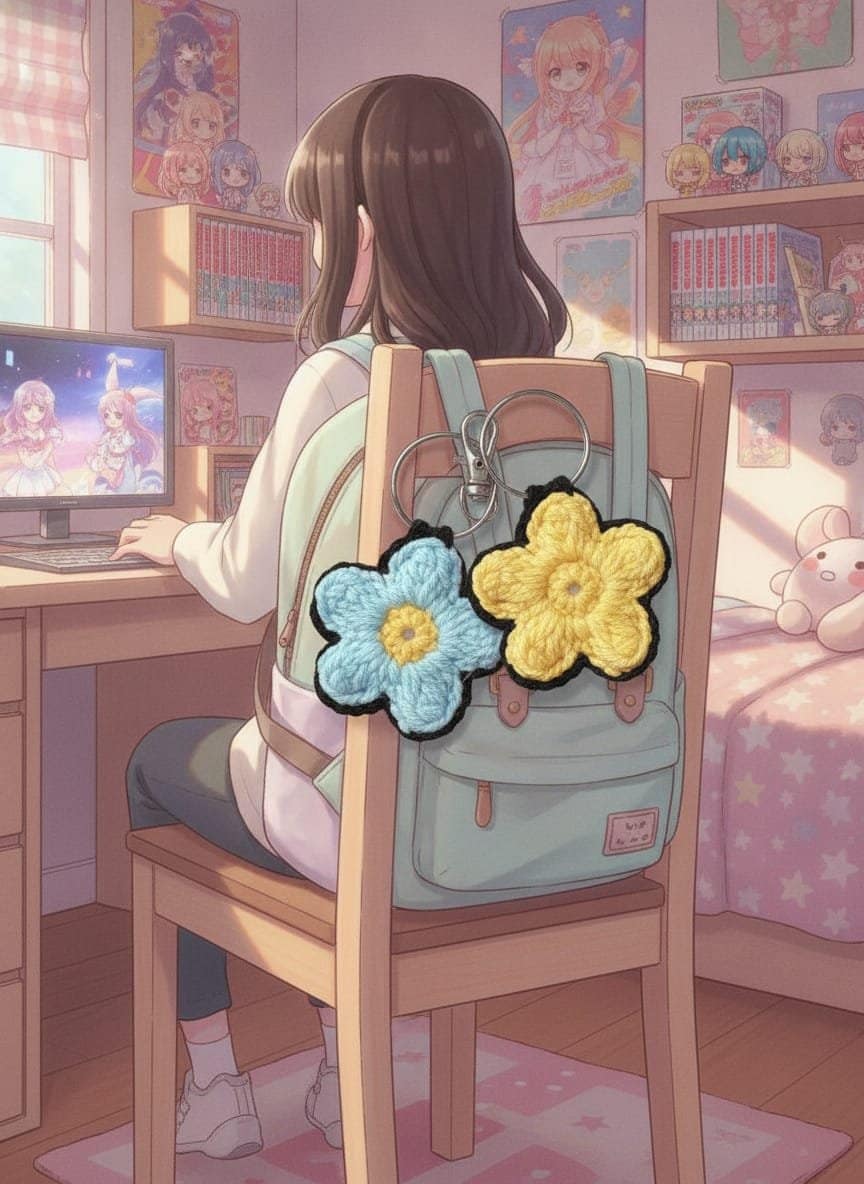
This is where being a crocheter gives you a useful little superpower. Look closely at the finished object.
Can you recognize stitches? Can you understand roughly how the pieces might have been constructed? Where would the rounds or rows go? How might the petals attach? How is that three-dimensional shape being held?
You don’t need to be able to reverse-engineer the entire pattern from a listing photo. And advanced crochet designers can create structures that aren’t immediately obvious.
But crochet has physical rules. If parts merge together impossibly, stitches dissolve into texture or the structure seems to defy everything yarn normally does, that’s a reason to investigate further.
5. Look at the pattern preview, not just the finished object
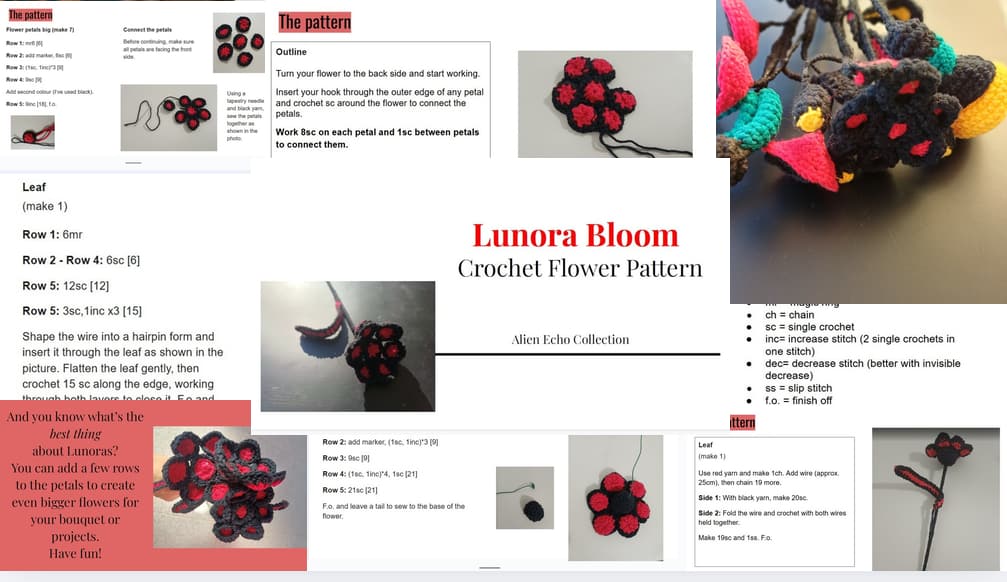
If the seller provides preview pages from the PDF, examine them. You aren’t looking for enough information to make the project without buying it. You’re looking for signs that a genuine crochet pattern exists behind the listing.
Can you see materials? Stitch abbreviations? Row or round instructions? Stitch counts? Assembly guidance? Progress photographs? Diagrams?
A beautiful cover page is nice. A boring page containing Row 7 is evidence.
6. Read the description for specifics
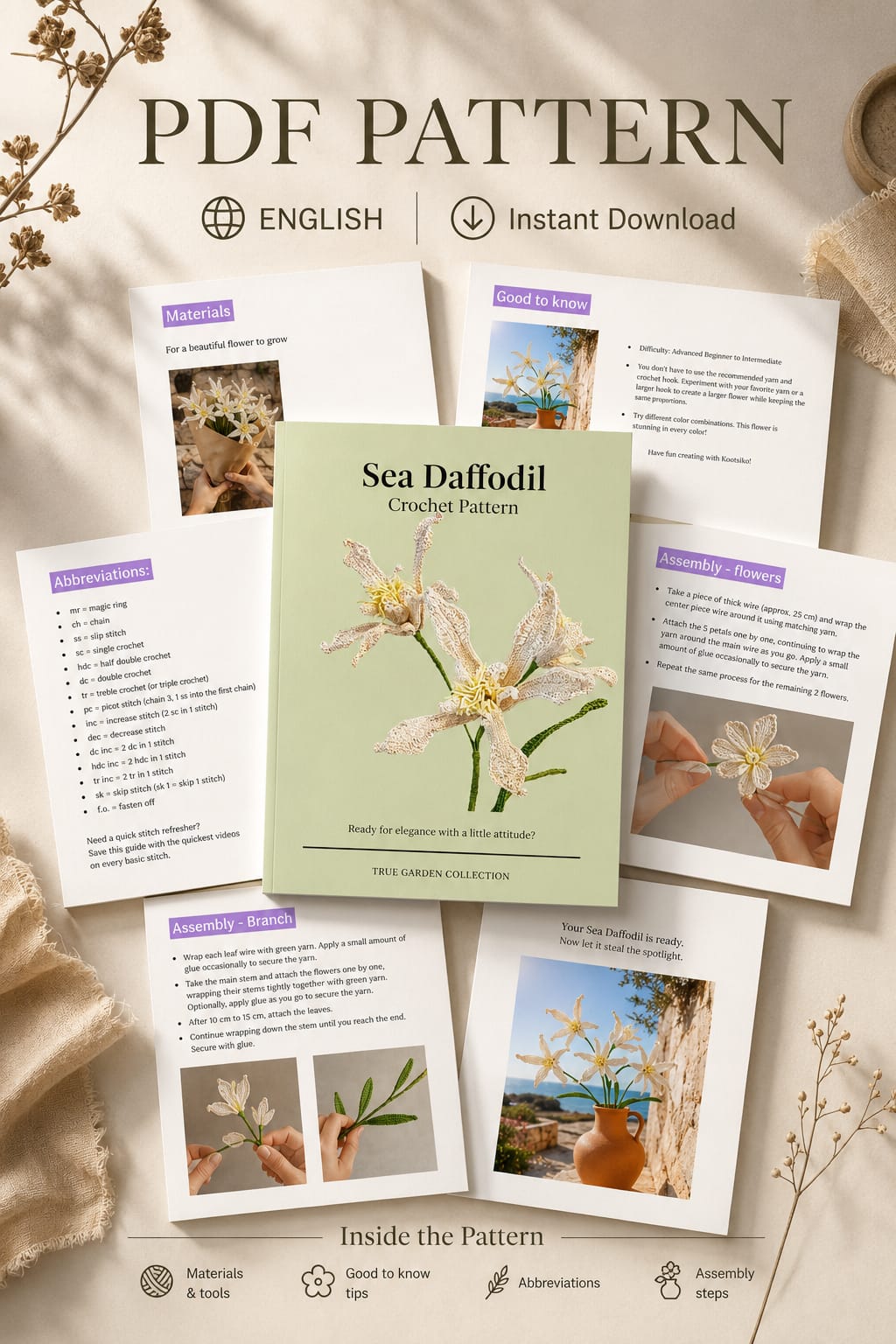
Generic descriptions are easy to produce. Specific knowledge is more useful.
Look for information such as the yarn used, hook size, approximate finished dimensions, crochet terminology, skill level, additional materials and construction methods.
For a wired crochet flower, for example, you might expect information about wire. For an amigurumi design, you might expect stuffing or assembly information. The details should fit the object you’re looking at.
A designer who physically made something generally knows rather a lot about how it was made.
7. Look for work in progress
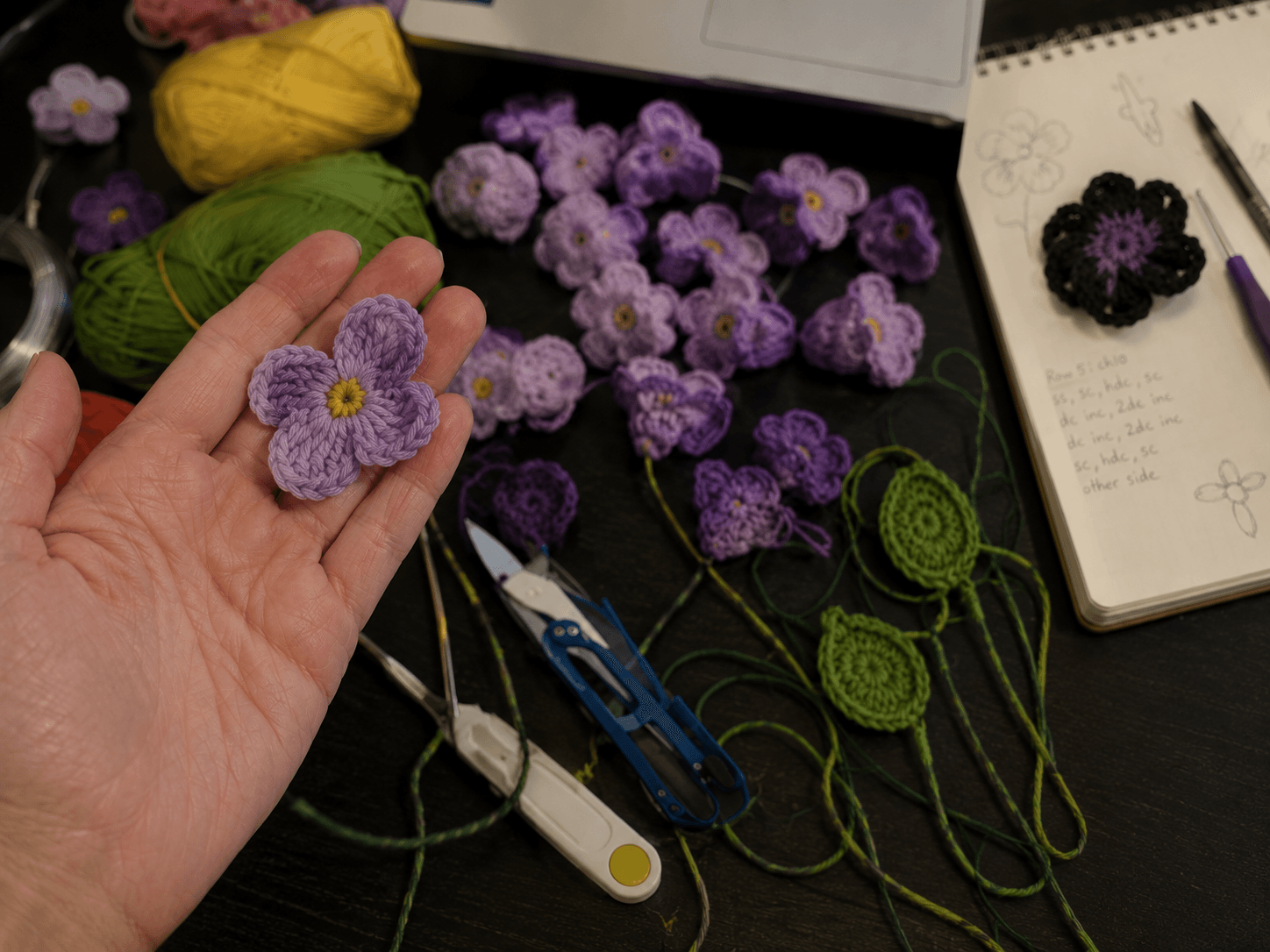
This is one of my favorite trust signals because crochet design is rarely born looking immaculate. Search the listing, website or social accounts for prototypes and works in progress.
A petal before assembly. Three slightly different versions of the same leaf. A half-finished body. Handwritten notes. A pile of components waiting to become something recognizable.
Even failed versions can tell you something important: somebody was actually working out how to construct this thing. I recently started showing more of this myself, including photographs of my extremely un-Instagrammable workbench.
Turns out creative chaos finally has a business purpose. 🙂
8. Check whether other crocheters have made it
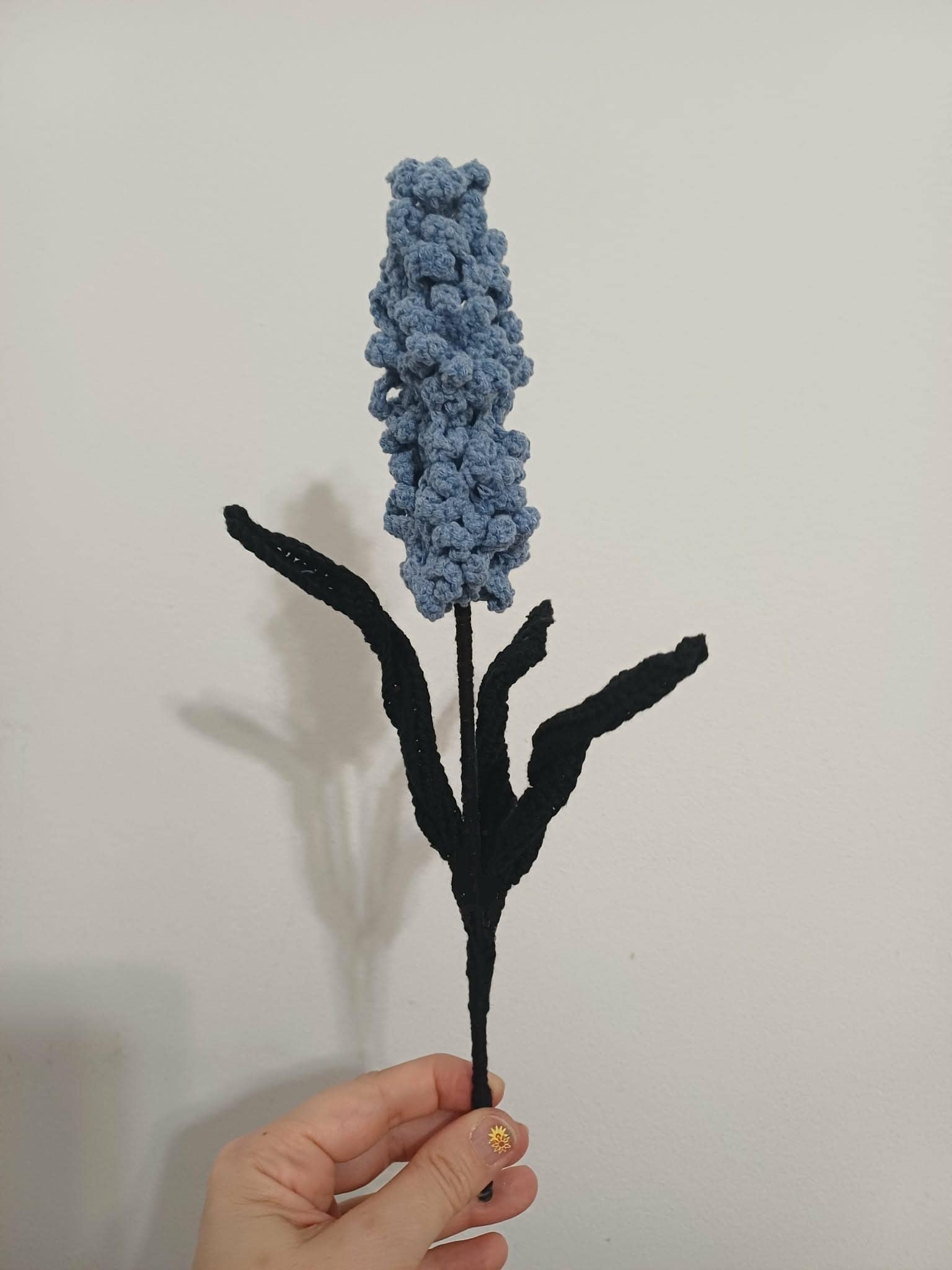
Customer projects are among the strongest pieces of evidence available. Look through reviews for photographs of finished objects.
They won’t necessarily look identical to the designer’s version. That’s normal. Different yarn, tension, hook sizes, colors and individual technique all affect the result.
What matters is whether different crocheters followed the instructions and ended up with recognizable versions of the promised design. Also read what reviewers actually say.
Was the pattern clear? Did the stitch counts work? Was assembly explained? Did they need help?
A five-star rating is useful. A five-star rating accompanied by a slightly wonky handmade flower is even more informative.
9. Look at the designer, not only the listing
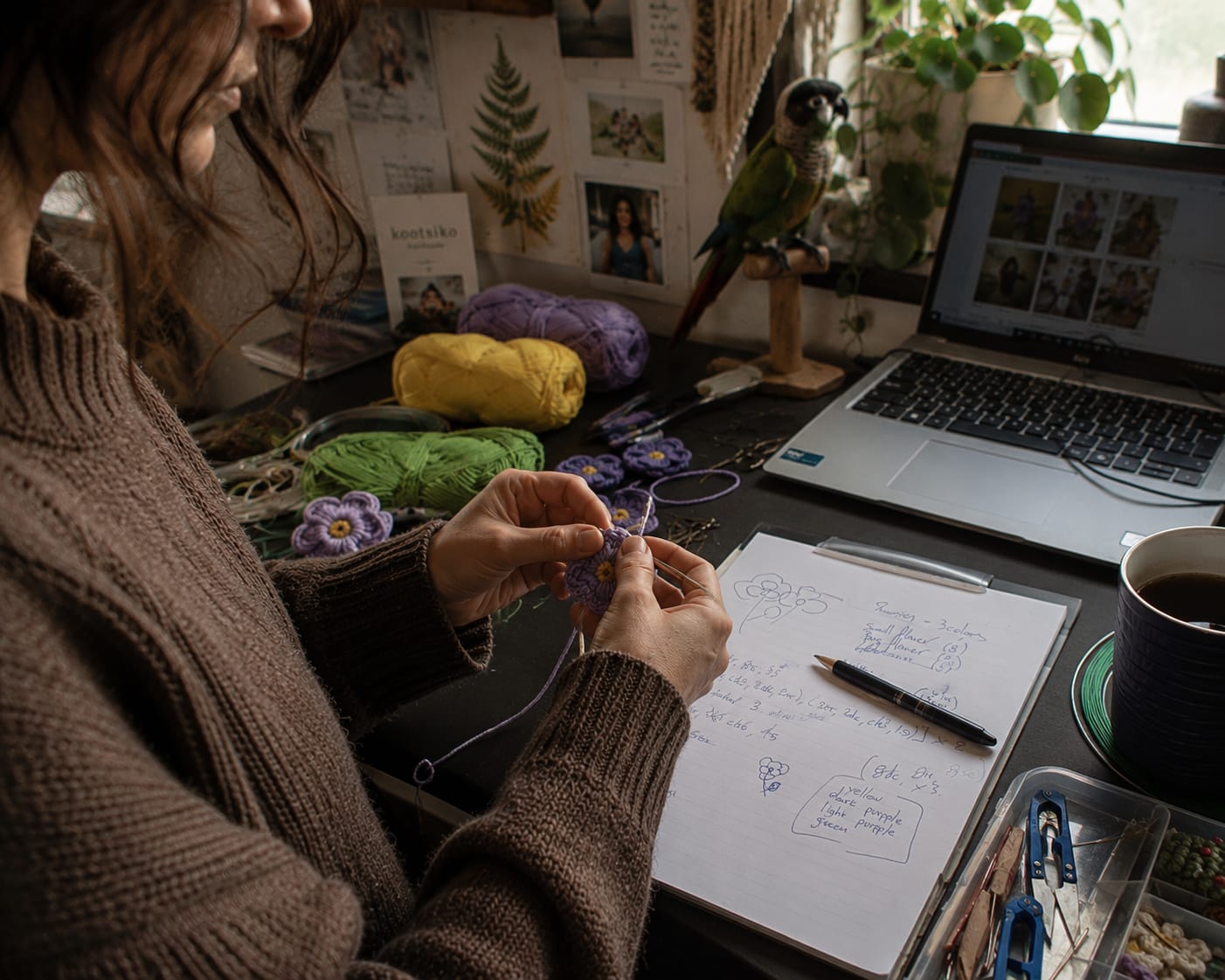
Visit the shop. Then, when possible, look beyond it. Does this designer have a recognizable body of work?
A website? Older designs? Social media? Blog posts? Tutorials? Works in progress? Free patterns?
You don’t need to find someone broadcasting their life across six platforms. Plenty of excellent designers would rather crochet than become content machines.
You’re simply looking for evidence of an ongoing creative practice. Real designers tend to leave a trail of yarn behind them.
10. A huge catalog isn’t proof of AI, but context matters
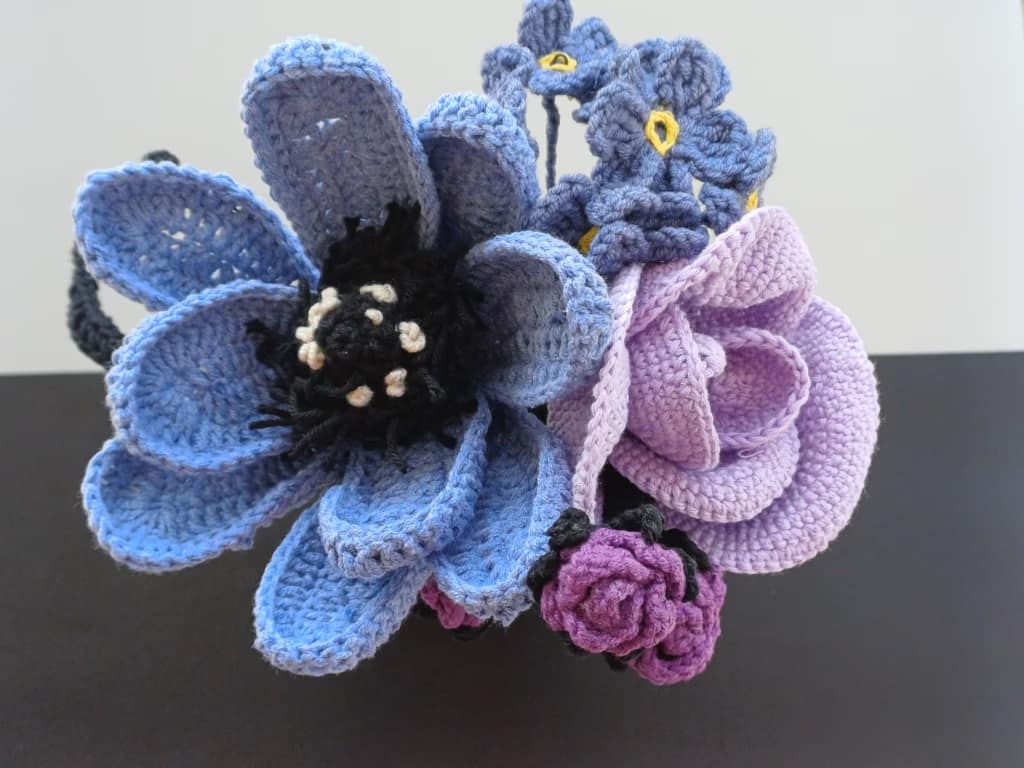
Some established crochet designers have hundreds of patterns. A large shop alone isn’t suspicious.
Look at the bigger picture. Does the catalog have some consistency? Does the designer appear to have developed it over time?
Are there reviews going back years? Or are there hundreds of elaborate designs across wildly different styles with very little evidence that anyone has ever physically made them?
Scale becomes relevant when it doesn’t match the evidence behind it. Making a good crochet pattern takes time. Designing, testing, photographing, writing and formatting hundreds of genuinely different projects is a substantial amount of work.
11. See whether the designer offers a free pattern
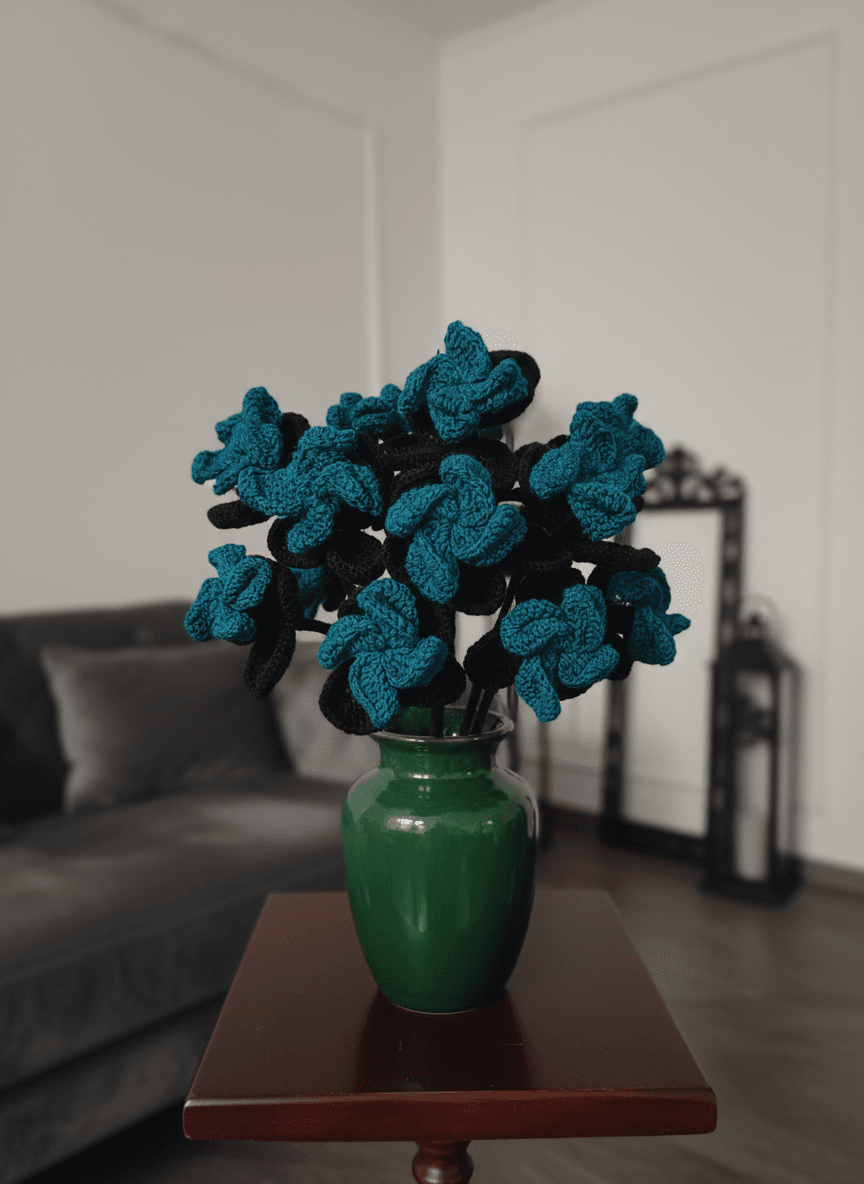
A free pattern can be a wonderfully practical trust test. Instead of trying to determine whether someone is legitimate from their marketing, you can actually use their instructions.
Do the stitch counts make sense? Can you follow the writing style? Do the progress photographs correspond with what you’re making? Does your finished object resemble theirs?
Not every legitimate designer offers free patterns, so their absence isn’t a warning sign. But when one is available, it’s useful evidence.
12. Ask the designer a question
If you’re interested in a pattern but something genuinely isn’t clear, contact the designer. You don’t need to interrogate them under a desk lamp. Ask a normal crochet question.
Does the pattern include assembly photos? Is wire required? What yarn weight did they use? Would a particular substitution work?
Someone who designed and crocheted the piece should generally understand its construction and be able to answer questions about it.
This becomes even more important after purchase. If you get stuck, there should ideally be someone on the other side who knows why Row 12 exists.
13. Don’t rely on “100% human made” badges either
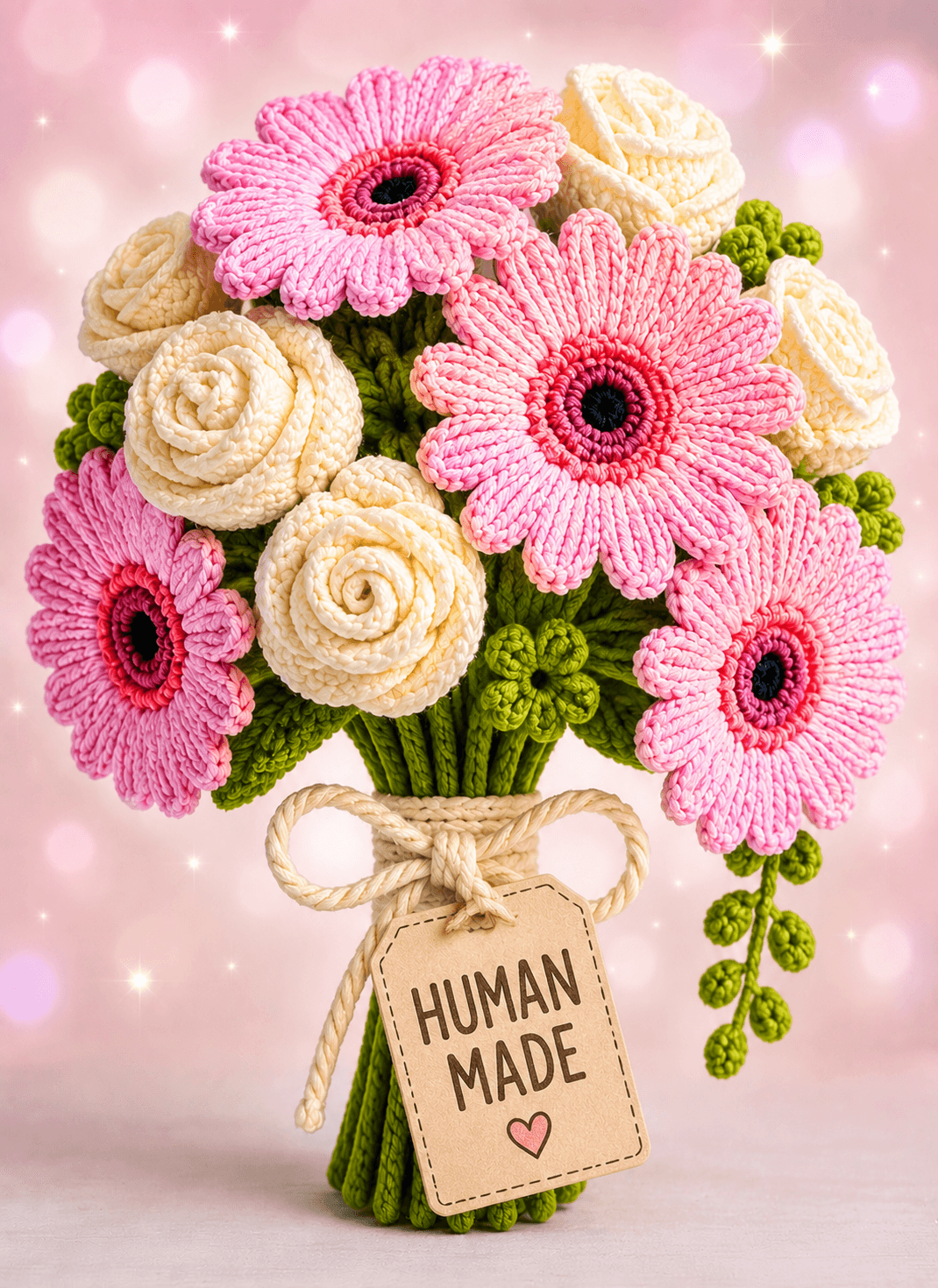
There’s an awkward irony to all of this. As buyers become more concerned about AI patterns, we’re likely to see more sellers simply adding phrases such as “human designed,” “no AI” or “100% handmade” to their listings.
But text on an image isn’t evidence. Neither is a statement in a description. Including mine. That’s why I think the best protection is to stop looking for a single magical AI giveaway and start looking for multiple pieces of evidence that support each other.
A real photo, a video, a work in progress, a coherent PDF preview. Customer projects. A designer with a history. A free pattern you can actually crochet.
Together, those tell you much more than the thumbnail ever could.
So, should you avoid patterns that use AI images?
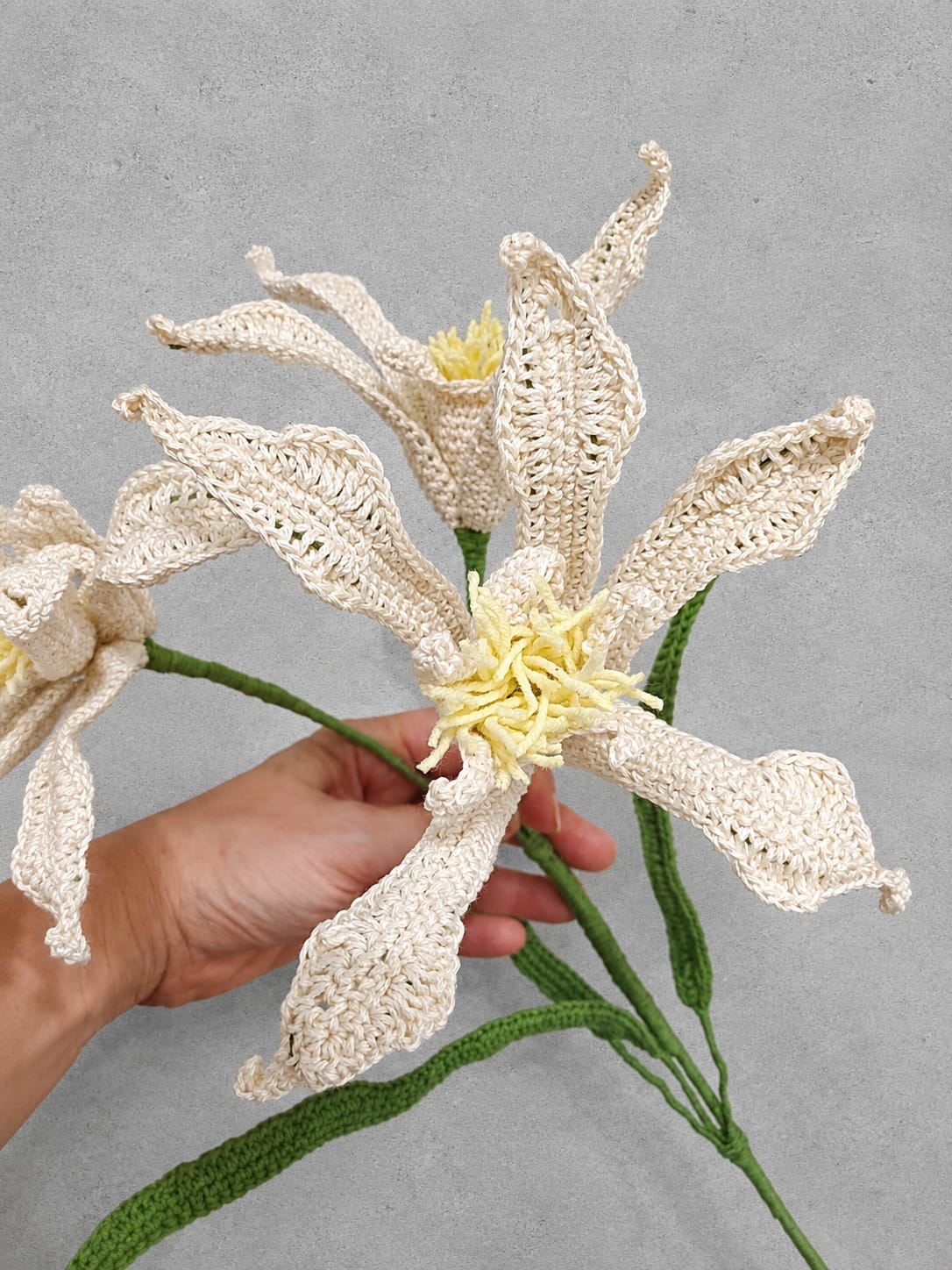
That’s a decision every crocheter gets to make for themselves. Some buyers don’t want AI involved anywhere in the products they purchase, and that’s a perfectly clear purchasing preference.
But if your concern is specifically avoiding unusable AI-generated crochet patterns, I wouldn’t use AI imagery as the deciding factor.
I would look for evidence that the crochet exists and that the instructions behind it are real. That’s the standard I apply to Kootsiko too.
I sometimes use AI to help with backgrounds and presentation because I’m a one-person crochet business, not a photographer with an immaculate studio. But the crochet itself is designed and physically made by me, and the pattern is written from that real piece.
You can see the whole messy process on How Kootsiko Crochet Patterns Are Made.
The best question isn’t “Is this image AI?”
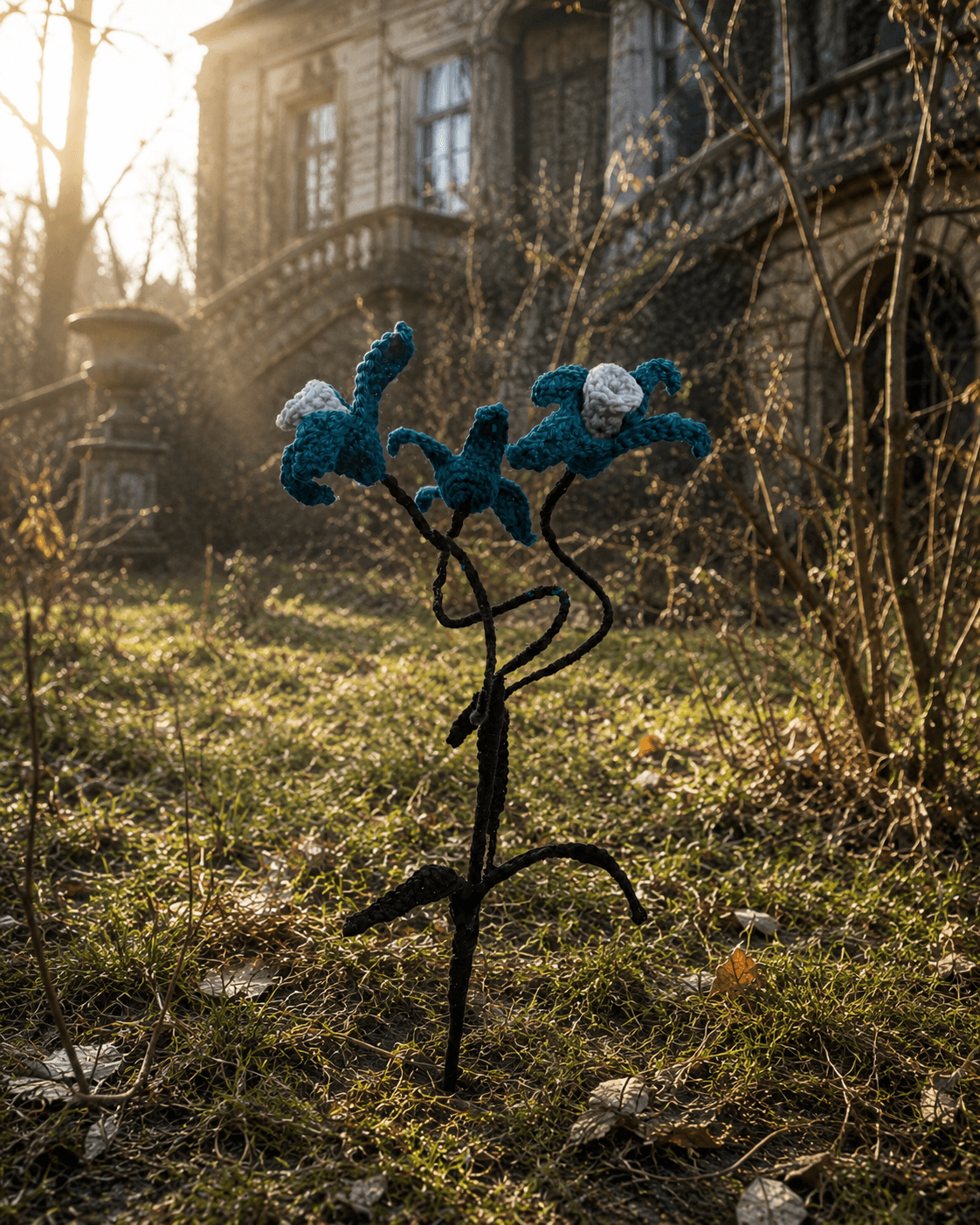
AI imagery is becoming better, photo editing is becoming more sophisticated and the boundary between an edited photograph and a generated image isn’t always obvious.
Trying to become a forensic AI-image detective before buying a €3 crochet pattern sounds exhausting anyway. So, I think there’s a simpler question: Where’s the evidence that this was actually crocheted?
Find the real piece, the process, the pattern. Find other crocheters who have made it, when they’re available. And if the designer gives you an opportunity to test their work, use it.
That’s why I’ve made my complete Zephyra Crochet Flower Pattern available free. You don’t need to believe what I’ve written here about my own patterns. You can crochet one and decide for yourself.
Happy crocheting. Keep your hook close and your skepticism useful.
Until next bloom,
🖤
Kootsiko
Join my newsletter to receive new patterns, tutorials, and the occasional free surprise.
Read more
How to Spot AI Crochet Patterns Before You Buy
AI crochet patterns are everywhere, but an AI-looking image doesn’t necessarily mean the pattern is …
Birth Month Flowers You Can Crochet: Meanings, Symbolism & Pattern Ideas for Every Month
Looking for the perfect birthday crochet gift? Discover every birth month flower, what each one symb…
How to Choose Flowers for a Crochet Bouquet That Looks Beautiful
A beautiful crochet bouquet isn't just about making pretty flowers. It's about choosing blooms that …
How to Make Realistic Crochet Flowers: 10 Secrets That Bring Yarn to Life
Learn how to make realistic crochet flowers with better yarn choices, petal shaping, wire techniques…
Zephyra – Free Crochet Flower Pattern
Create your own Zephyra crochet flower with this free crochet flower pattern. An easy pinwheel-inspi…
Crochet Flowers With Dark Meanings: 10 Blooms That Tell a Story
Discover crochet flowers with dark meanings and the symbolism behind each bloom. Create handmade bou…
10 Ways to Style Crochet Flowers in a Modern Gothic Home
Think gothic decor means skulls and cobwebs? Think again. Here are 10 stylish ways to decorate a mod…
From Cottagecore to Gothic: My Crochet Poppy Pattern Obsession
One crochet poppy pattern led to another. Discover cute mini bouquets, moody Midnight Poppies and go…
How to Read a Crochet Pattern: A Beginner’s Guide
Learning how to read a crochet pattern can feel like decoding a secret language. In this beginner's …
The Story Behind the Mediterranean Carnation Crochet Pattern
Discover the history, symbolism, and Mediterranean roots behind this realistic Mediterranean Carnati…