
Why your crochet flowers look wrong and how to fix common issues with shape, tension and yarn for more natural, consistent results.
If you’ve ever finished a crochet flower and thought, “Why does my crochet flower look wrong or it doesn’t look like the photo?”, you’re not alone. This is one of the most common concerns among crocheters, especially when working with crochet flower patterns for the first time.
Even when you follow a pattern step by step, several technical factors influence the final result. Crochet is a handmade process, and small differences in materials and technique can significantly change the shape, size, and structure of your flower.
Below, I will break down the most important reasons your crochet flower may look different from the pattern, and what you can do to improve your results.
1. Crochet Tension Affects Size and Shape
Tension refers to how tightly or loosely you hold your yarn while crocheting. It is one of the most influential factors in crochet and varies from person to person.
If your tension is tighter than the designer’s:
- Your flower may turn out smaller
- Petals may curl inward (if you haven’t wired them)
- The fabric may feel stiff or rigid
If your tension is looser:
- Your flower may be larger
- Petals may appear floppy or undefined
- The structure may lack firmness
- If you have used wire, it will be visible through the holes.
Even experienced crocheters have personal tension that differs slightly from pattern designers.
Solution:
Focus on consistency rather than perfection. Make sure all petals in your flower are worked with the same tension. If your flower feels too tight or too loose, try adjusting your hook size rather than forcing your hands to change tension unnaturally.
2. Yarn Type and Yarn Weight Change the Final Look
Not all yarns behave the same way, even if they are labeled with the same weight.
Factors that affect your crochet flower include:
- Yarn thickness
- Fiber type (cotton, cotton blend, acrylic)
- Twist and strand structure
- Mercerization
For example:
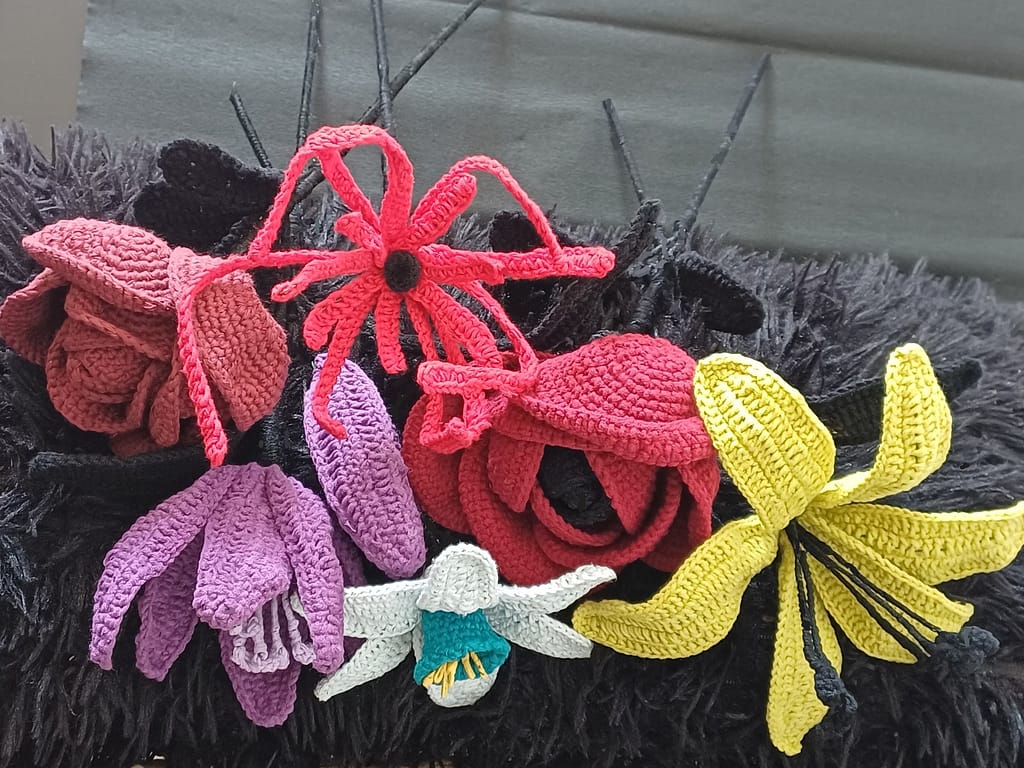
- Mercerized cotton creates crisp stitches and defined petals
- Softer cotton blends produce rounder, more relaxed shapes
- Thicker yarns make fuller, heavier flowers
- Thinner yarns create delicate, refined blooms
If your flower looks bulkier or flatter than expected, the yarn choice is often the reason.
Solution:
For best results, start with the yarn type and weight recommended in the pattern. Once you understand how the flower is constructed, you can safely experiment with different yarns to achieve new effects.
3. Hook Size Influences Structure and Detail
If you are wondering why crochet flowers look wrong and you are obsessed with a specific crochet hook then maybe you should know this. Hook size works together with yarn weight and tension. A small change in hook size can dramatically affect the finished flower.
Using a smaller crochet hook:
- Tightens stitches
- Creates firmer petals
- Improves stitch definition
Using a larger crochet hook:
- Loosens the fabric
- Softens curves
- Increases the overall size of the flower
If your flower lacks structure or looks too stiff compared to the pattern photos, your hook size may need adjustment.
Solution:
If the petals feel floppy, try going down one hook size. If they feel overly tight or difficult to shape, go up one size. Always aim for a fabric that feels firm but flexible.
4. Wire Thickness Determines Stability and Movement
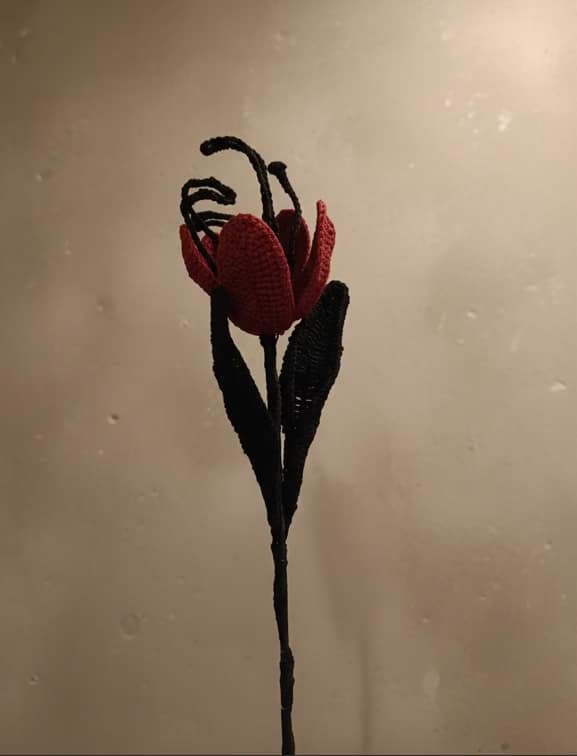
Wire is essential in crochet flowers, especially for shaping petals and stems. The thickness of the wire affects how your flower behaves once finished.
Thin wire results in:
- Flexible stems
- Soft, natural movement
- Delicate shaping
Thicker wire provides:
- Stronger stems
- Better support for large petals
- More control over positioning
Using wire that is thinner or thicker than suggested can change the posture of your flower.
Solution:
Follow the wire size recommended in the pattern, particularly when making the flower for the first time. If you want sturdier flowers for bouquets or arrangements, you can later experiment with thicker wire.
5. Stem Rod or Support Size Matters
The rod, stick, or floral stem you use inside your flower also plays a role in the final look.
A thicker rod:
- Makes the flower feel heavier
- Pushes petals outward
- Can slightly alter proportions
A thinner rod:
- Keeps the flower lighter
- Allows more natural curvature
- Preserves delicate shapes
Solution:
Use a stem size that matches the scale of the flower. Oversized rods can distort petal placement, especially in smaller blooms.
6. Colour Choice Changes Visual Perception
Colour affects how we perceive texture and stitch definition.
- Dark colours hide stitch details and emphasize shape
- Light colours reveal every stitch and increase visual clarity
- Variegated yarns can obscure structure
A flower made in black, deep red, or dark purple will naturally look more dramatic and sculptural than the same flower in pale or pastel shades.
Solution:
If you are learning a new pattern, try it first in a lighter, solid colour. This helps you understand the construction before moving to darker or more complex yarns.
7. Stitch Count Errors Are Common and Fixable
Missing a stitch, adding an extra increase, or miscounting a repeat can slightly change the shape of a petal. This is extremely common, even for advanced crocheters.
Small counting errors can cause:
- Uneven petals
- Asymmetrical flowers
- Differences in petal curl or length
Solution:
Use stitch markers to track repeats and petal sections. Pause after each petal and compare it to the previous one. Fixing small mistakes early prevents frustration later. However, in crochet flowers specifically, counting errors are not a problem because an imperfect flower usually looks more realistic and natural. 😉
8. Practice Improves Shaping and Confidence
Crochet flowers are sculptural. Unlike flat projects, they require shaping, adjustment, and sometimes gentle manipulation by hand.
Your first crochet flower is a learning piece. With each new attempt:
- Your tension becomes more consistent
- Your shaping becomes more intentional
- You gain confidence in adjusting materials
Solution:
Make the same flower more than once. Each repetition improves muscle memory and understanding of the pattern’s structure.
Final Thoughts: Different Doesn’t Mean Wrong
So, if you still haven’t realized why crochet flowers look wrong, it doesn’t mean you failed. It means your materials, tension, and hands created a slightly different result.
Patterns are guides, not rigid formulas. Over time, you’ll learn how to adjust yarn, hook size, and wire to achieve the look you want.
And that’s when crochet flowers stop being instructions and start becoming personal creations.
Until next bloom,
🖤
Kootsiko
Join my newsletter to receive new patterns, tutorials, and the occasional free surprise.
Read more
How to Spot AI Crochet Patterns Before You Buy
AI crochet patterns are everywhere, but an AI-looking image doesn’t necessarily mean the pattern is …
Birth Month Flowers You Can Crochet: Meanings, Symbolism & Pattern Ideas for Every Month
Looking for the perfect birthday crochet gift? Discover every birth month flower, what each one symb…
How to Choose Flowers for a Crochet Bouquet That Looks Beautiful
A beautiful crochet bouquet isn't just about making pretty flowers. It's about choosing blooms that …
How to Make Realistic Crochet Flowers: 10 Secrets That Bring Yarn to Life
Learn how to make realistic crochet flowers with better yarn choices, petal shaping, wire techniques…
Zephyra – Free Crochet Flower Pattern
Create your own Zephyra crochet flower with this free crochet flower pattern. An easy pinwheel-inspi…
Crochet Flowers With Dark Meanings: 10 Blooms That Tell a Story
Discover crochet flowers with dark meanings and the symbolism behind each bloom. Create handmade bou…
10 Ways to Style Crochet Flowers in a Modern Gothic Home
Think gothic decor means skulls and cobwebs? Think again. Here are 10 stylish ways to decorate a mod…
From Cottagecore to Gothic: My Crochet Poppy Pattern Obsession
One crochet poppy pattern led to another. Discover cute mini bouquets, moody Midnight Poppies and go…
How to Read a Crochet Pattern: A Beginner’s Guide
Learning how to read a crochet pattern can feel like decoding a secret language. In this beginner's …
The Story Behind the Mediterranean Carnation Crochet Pattern
Discover the history, symbolism, and Mediterranean roots behind this realistic Mediterranean Carnati…