Which Crochet Flower Matches Your Zodiac Sign? (Full Guide + Meanings)
Which crochet flower matches your zodiac sign? Discover the mystical flowers written in your stars from gothic roses to shadow tulips.
Explore crochet & learn with us!
Our blog is full of tips, tricks, and project ideas for anyone who loves yarn, and maybe a little chaos.
Which crochet flower matches your zodiac sign? Discover the mystical flowers written in your stars from gothic roses to shadow tulips.

Learn how to make realistic crochet flowers with simple tips to add texture, detail and personal touches that make every design feel unique.

Discover the most common crochet flower mistakes and how to fix them for better shape, structure and more realistic, beautiful results.

Discover creative crochet flower decor ideas to style handmade flowers in your home, from unique displays to meaningful, long-lasting accents.
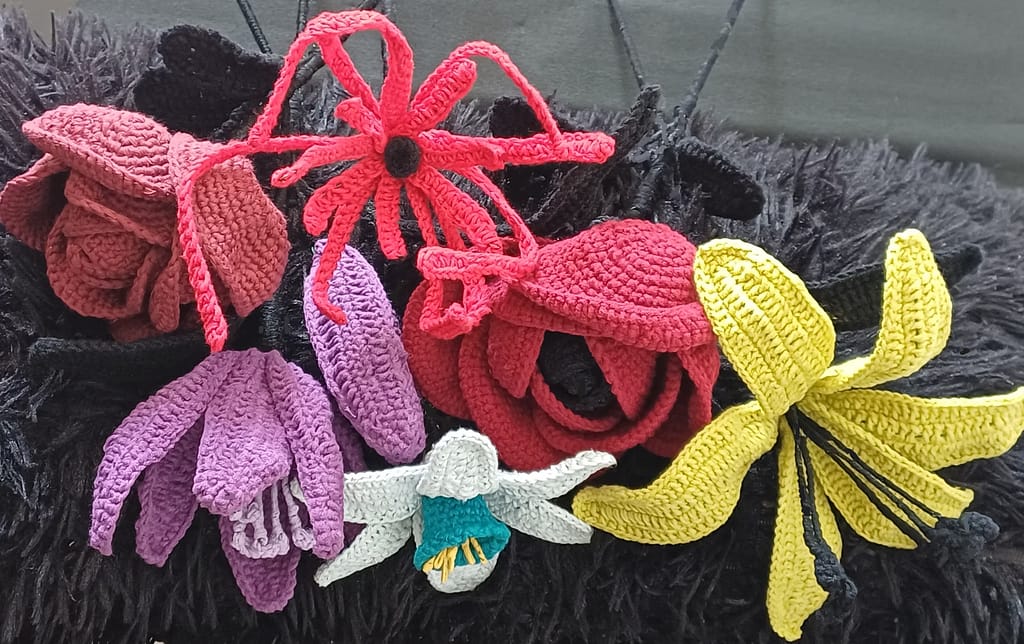
Learn how to create personalized crochet flowers with meaningful details, colors and designs to create unique handmade gifts that feel truly special.
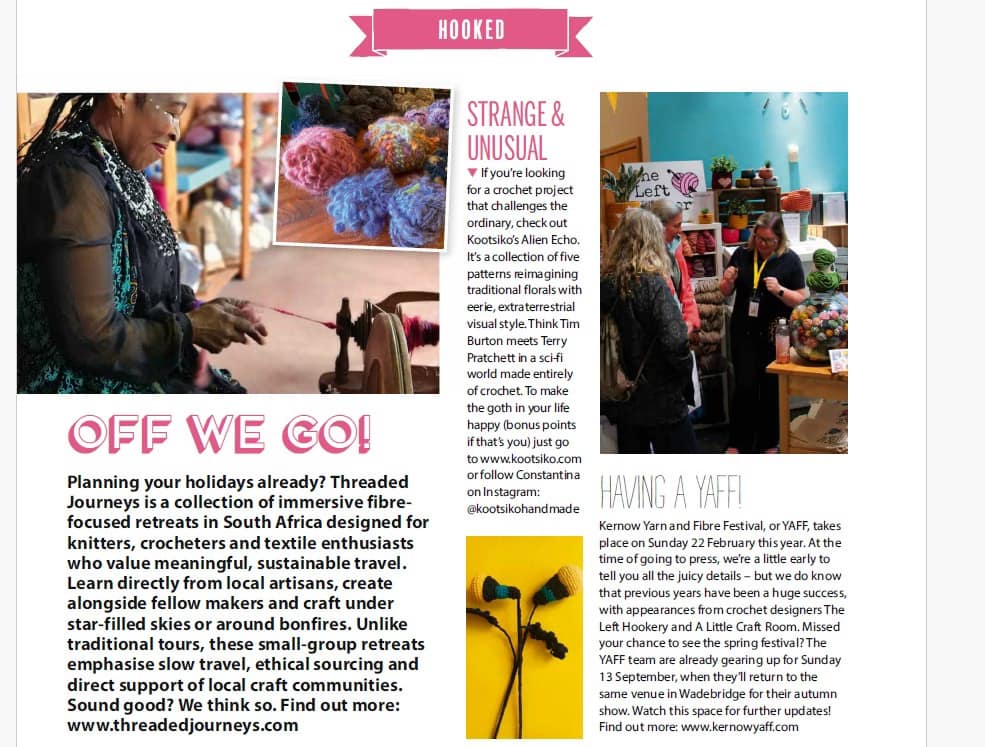
Kootsiko crochet patterns featured in Simply Crochet magazine issue 172, showcasing the Alien Echo collection in print.
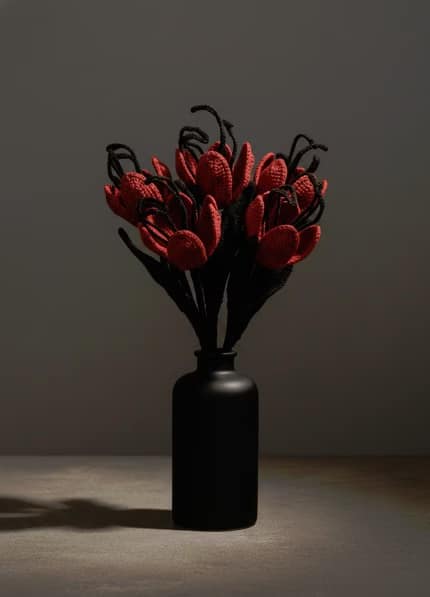
Explore flower symbolism meanings and learn how to create dark, meaningful bouquets with hidden messages through color, mood and design.
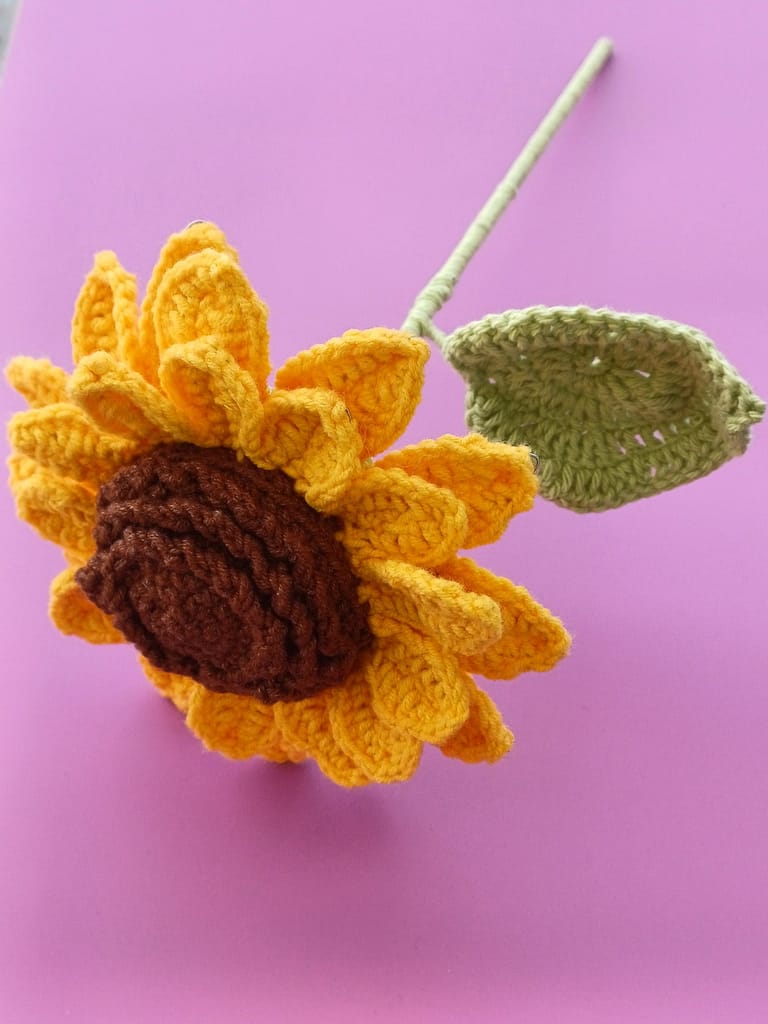
Why crochet flowers look wrong and how to fix common issues with shape, tension and yarn for more natural, consistent results.
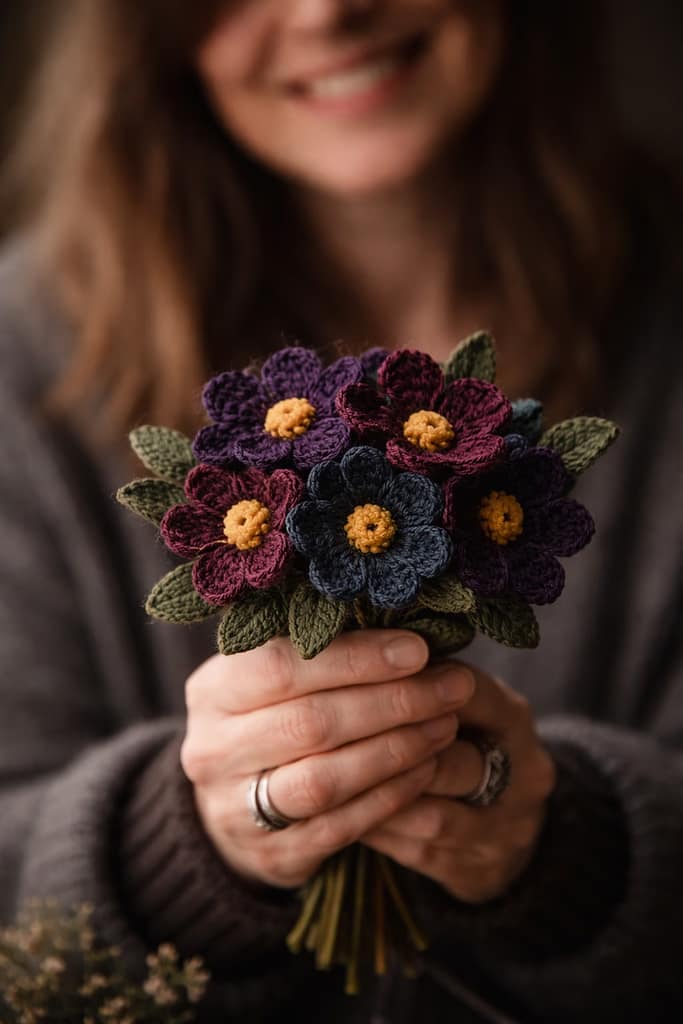
Crochet after retirement offers a calming, creative hobby that supports mental wellbeing, reduces stress and brings purpose to everyday life.
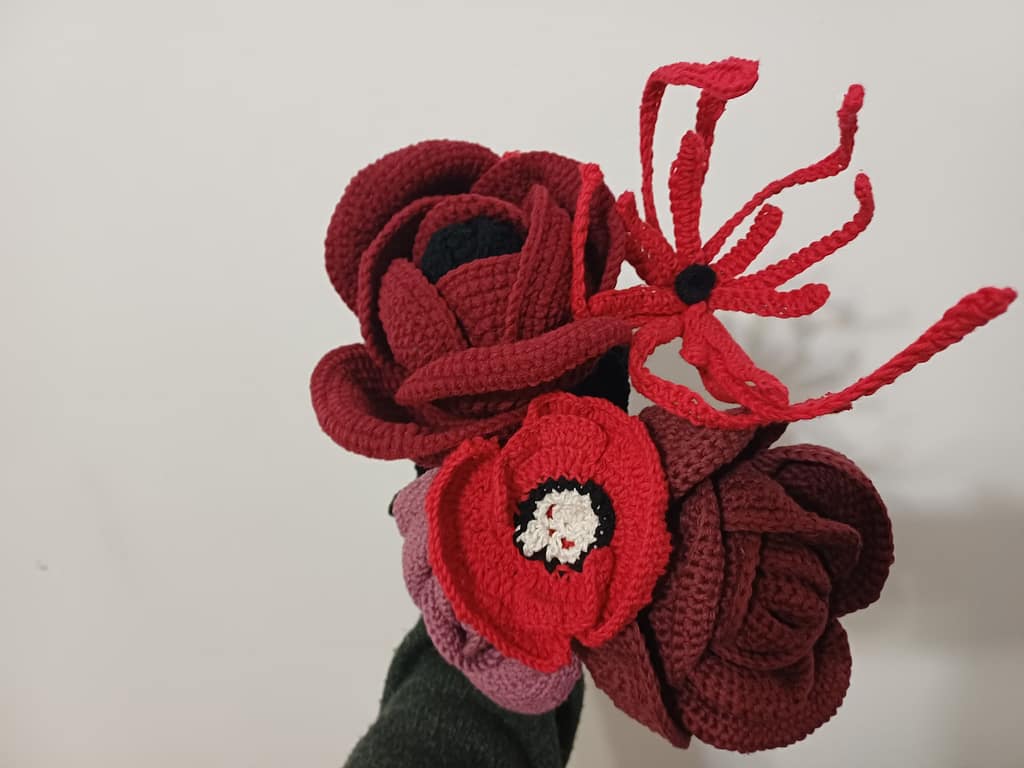
Droopy crochet petals are not a mistake. Blocking is the final step that shapes, sets, and gives your flowers the confidence to last.
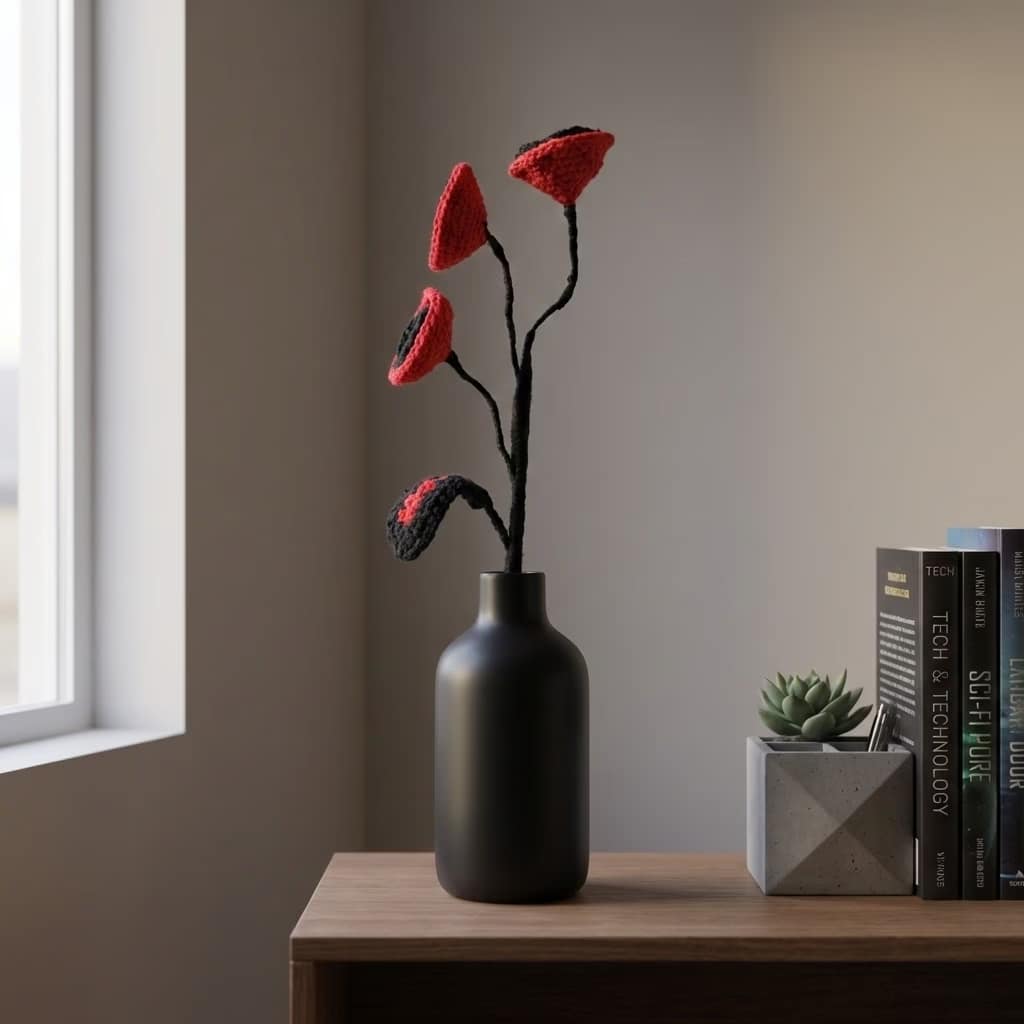
Discover personal home decor ideas using handmade details that add meaning, warmth and character to your space.
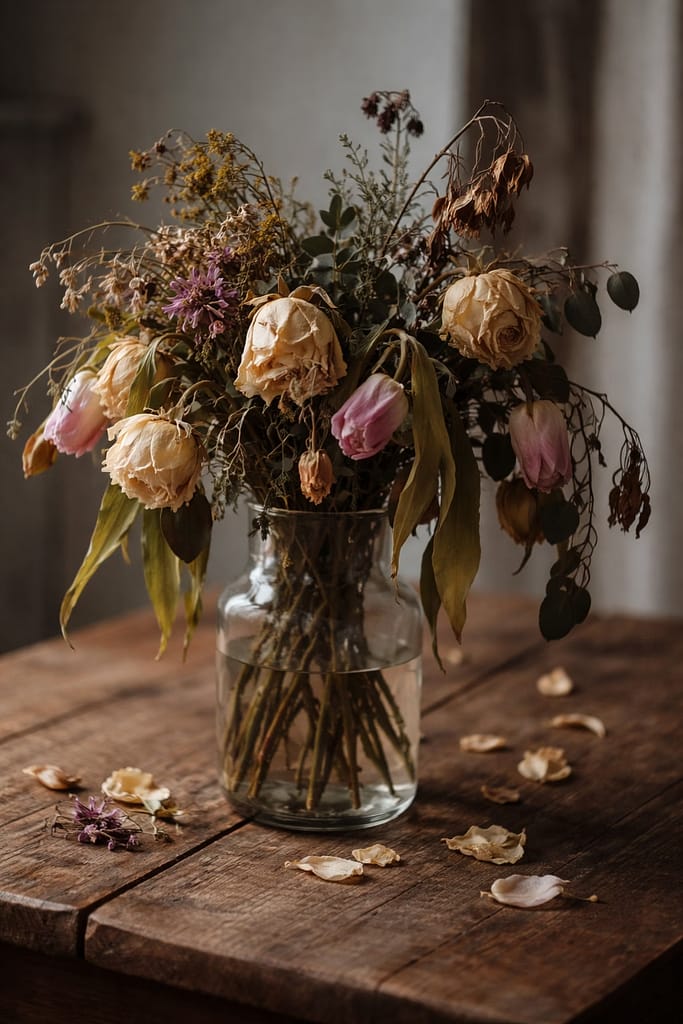
Low maintenance home decor ideas for a beautiful space without constant effort, choosing pieces that last and don’t demand your time.
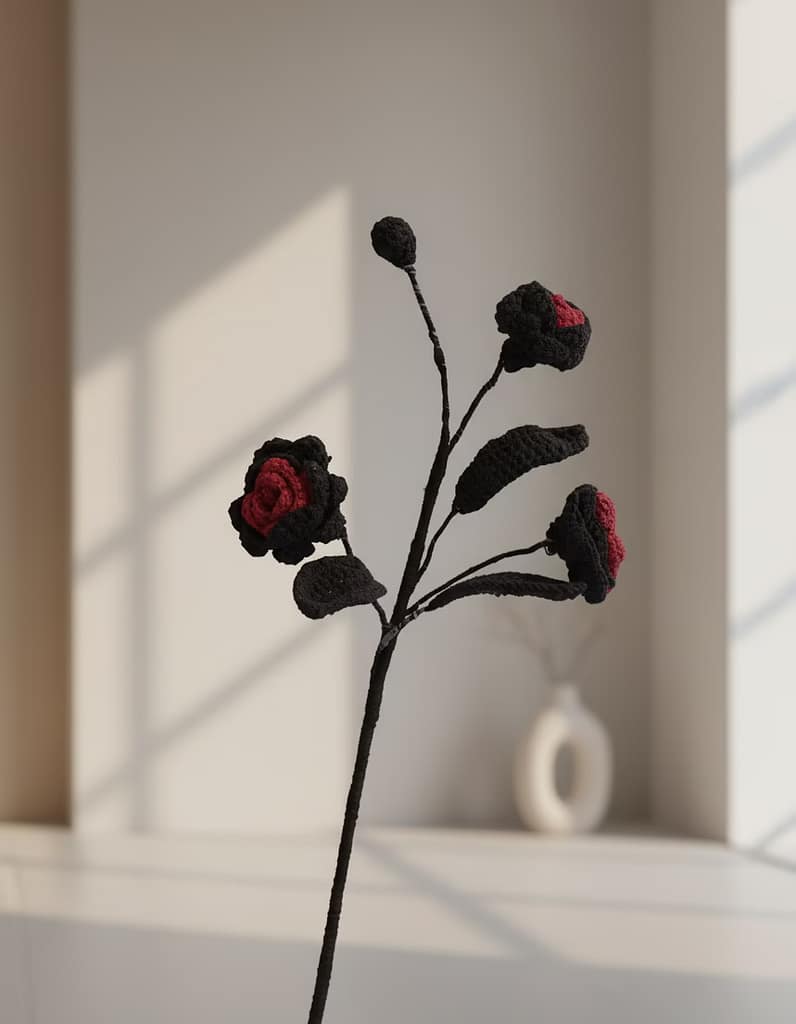
Sustainable home decor ideas that move away from disposable trends, choosing long lasting, meaningful pieces that bring beauty without waste.
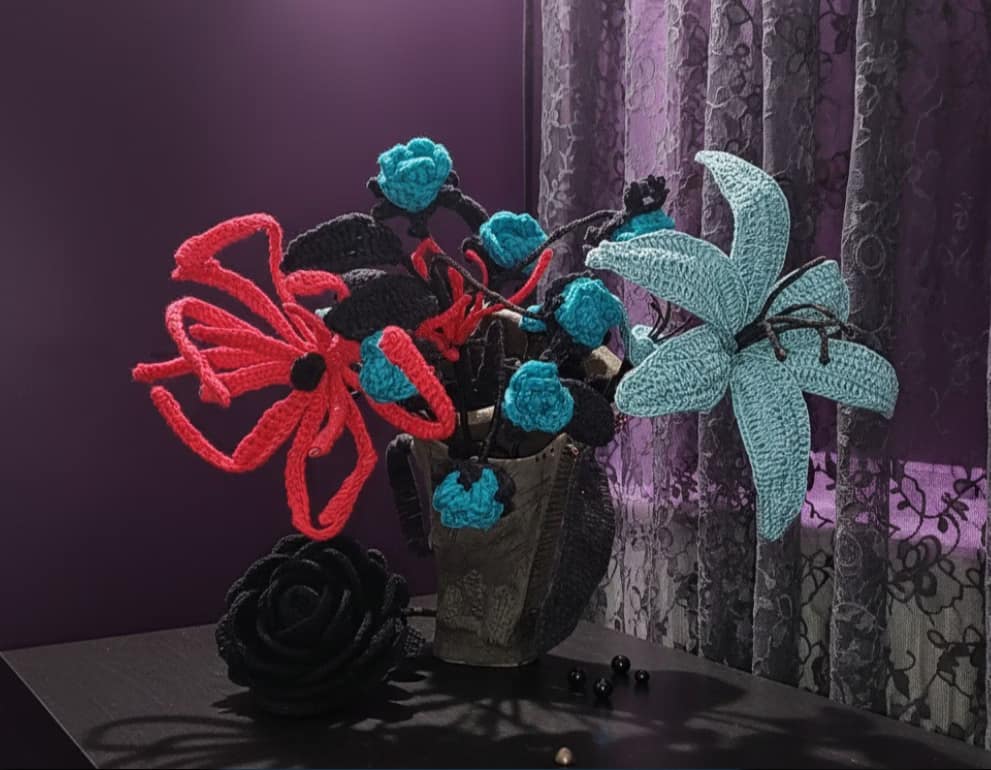
Moody home decor ideas to create a cozy dark corner using crochet flowers, textures and soft lighting for a warm, atmospheric space.

Why your crochet still looks wrong after months and how to fix tension, yarn and technique issues for smoother, more consistent results.
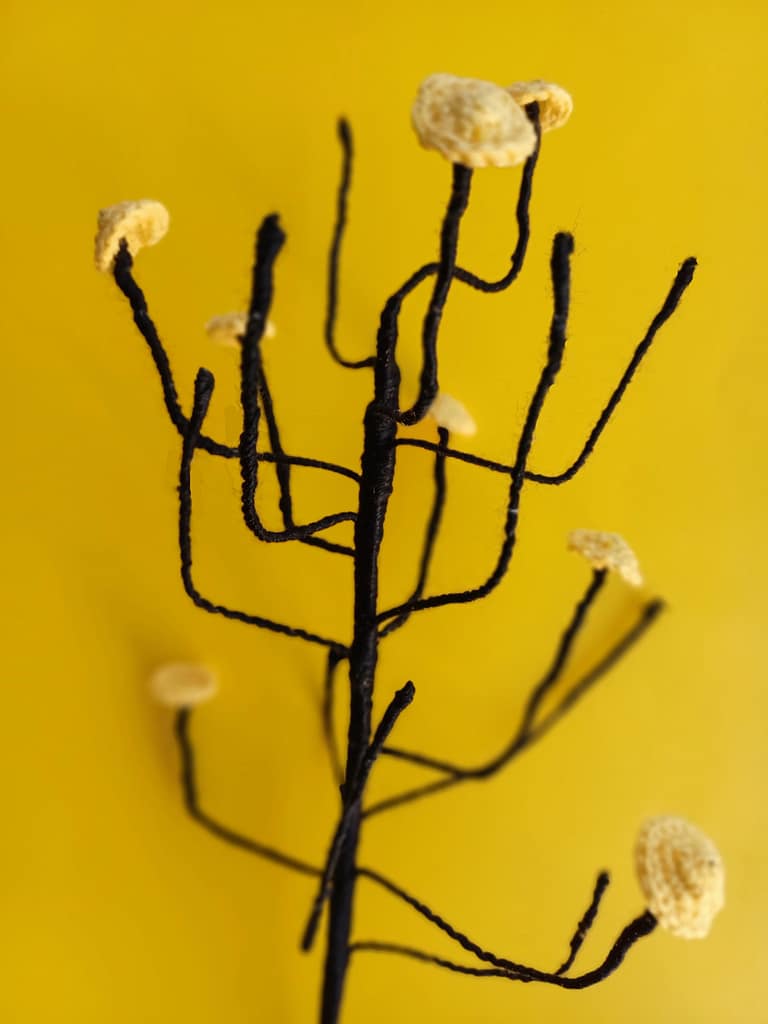
Crochet motivation to create freely without rules or perfection, embracing your own style and finding joy in every handmade piece.
Best yarn for crochet flowers: Natural or synthetic yarn? This friendly guide helps you choose what works best for your crochet without guilt pressure or confusion Just yarn love.

Crochet vs knitting: what’s faster, easier, calmer, and more fun? A friendly, funny guide to choosing your yarn craft without losing your mind or your hook.
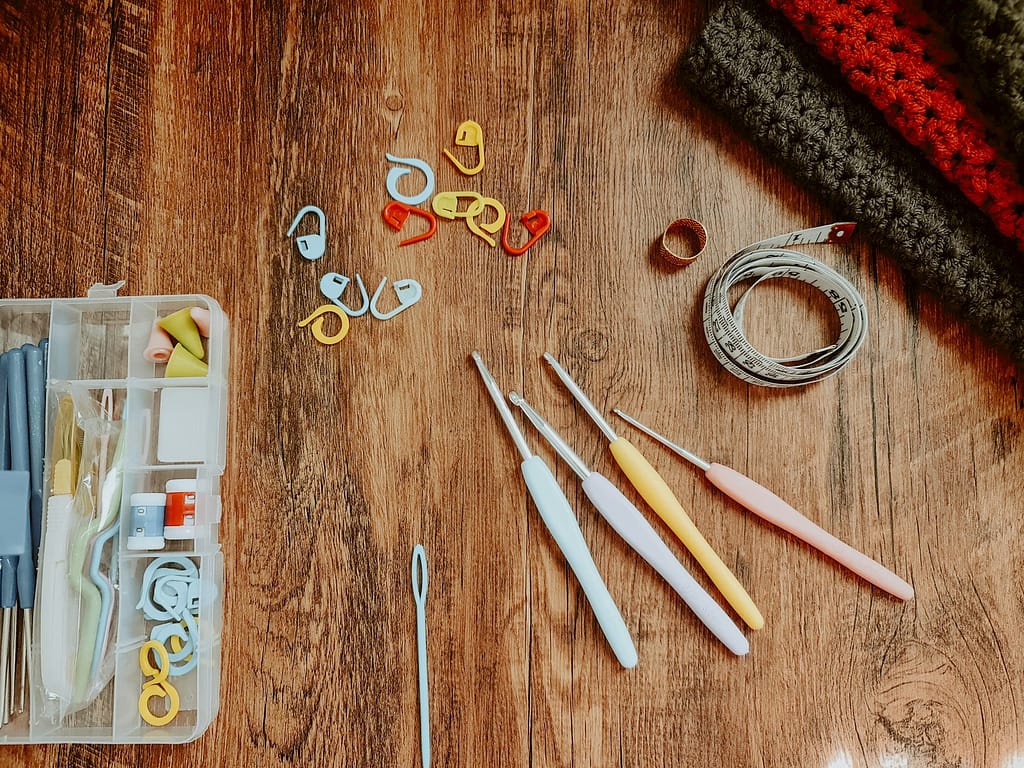
A fun, no-nonsense guide to the crochet tools for beginners that they actually need, the ones they can live without, and the pretty temptations Instagram swears you need.
Crochet flowers are the sustainable, long-lasting alternative to real blooms. No watering, no wilting, just pure handmade beauty that lasts forever.
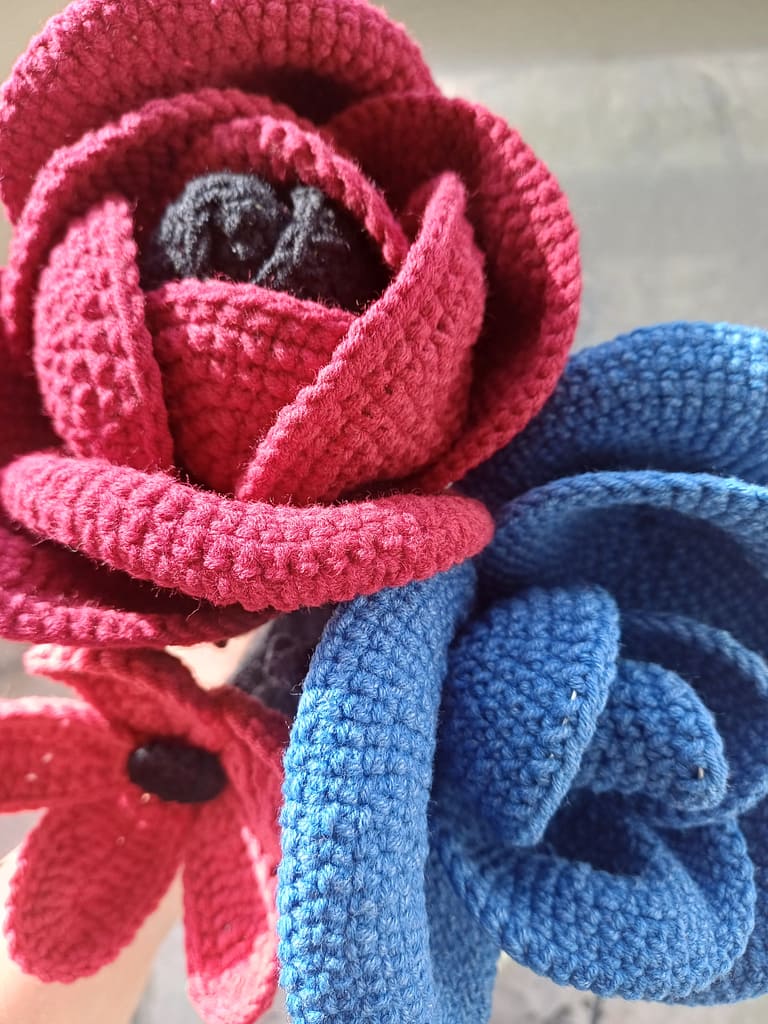
5 amazing handmade or DIY gift ideas you can create on a budget, plus 5 unique crochet-flower options from Kootsiko universe
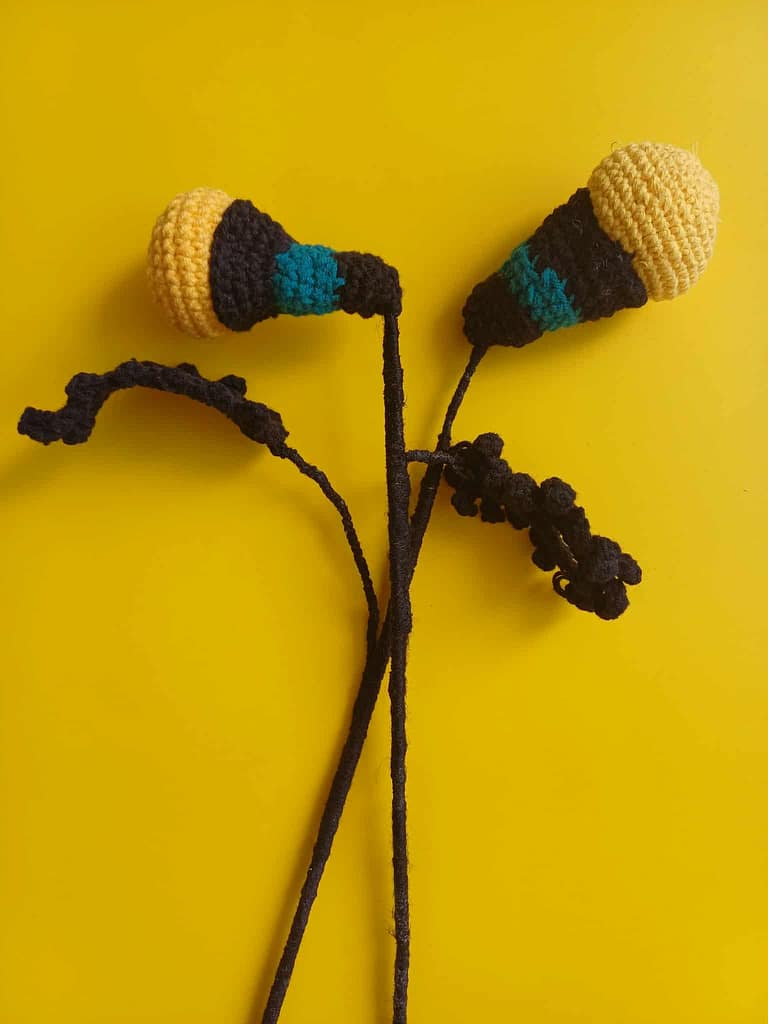
Yarn saving hacks: Save yarn, save money, save your sanity! Discover 15 clever, funny and totally doable ways to make your yarn stash last forever.
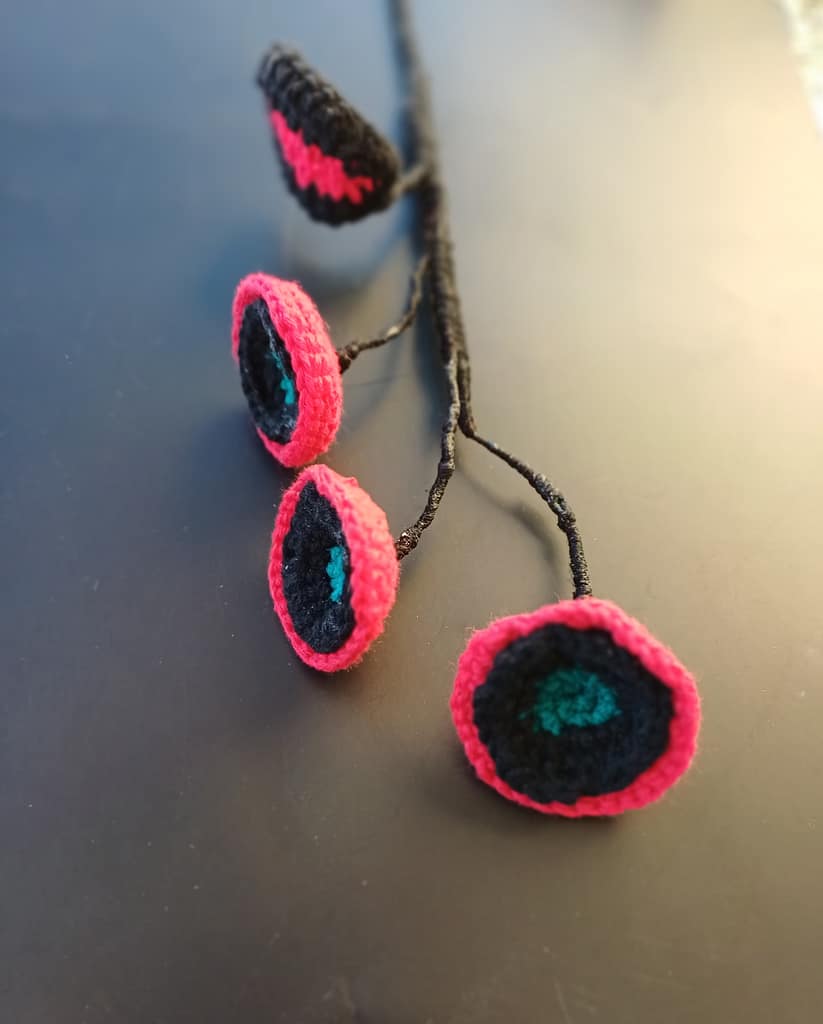
Psychology of Crafting: When you make something with your hands, something that stays, it feels almost rebellious.
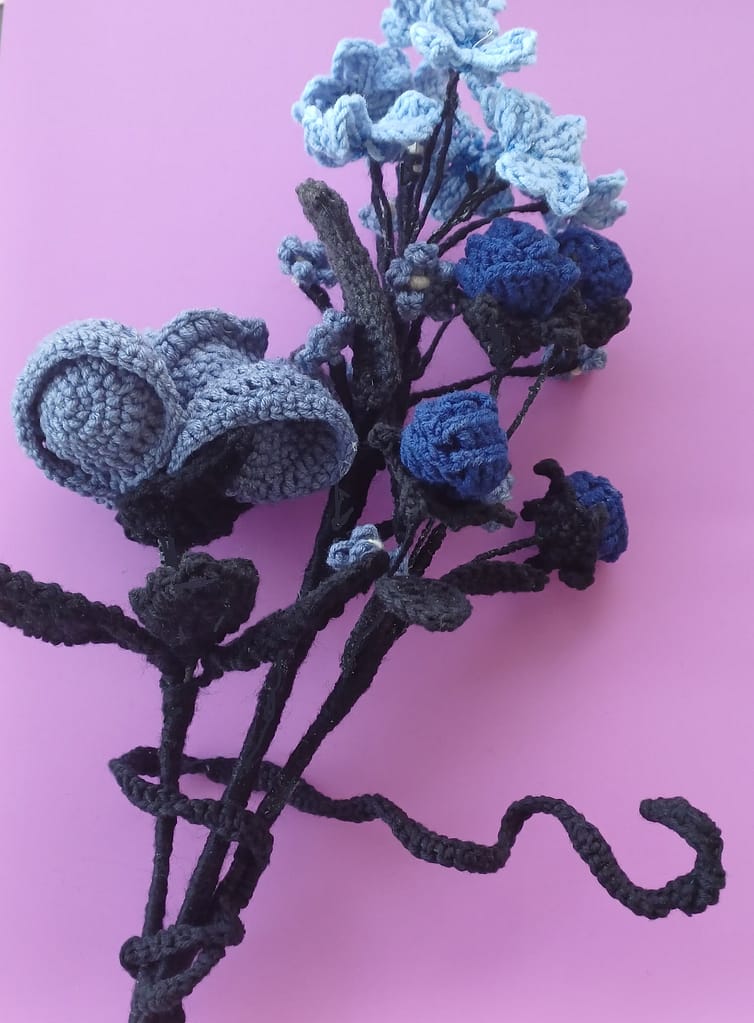
The story and the free pattern of that thin, black, swirling vine you see in my photos. The Spellvine.
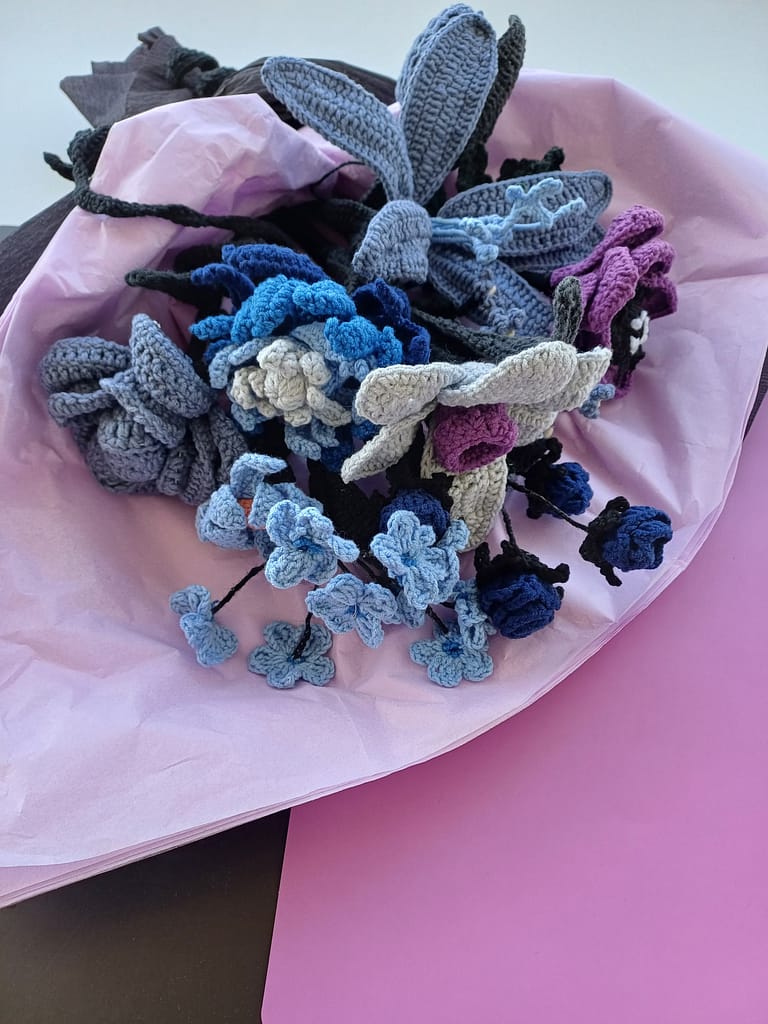
This Christmas, skip store-bought gifts. Learn crochet and create dark, romantic handmade blooms that steal hearts and fill homes with moody beauty.
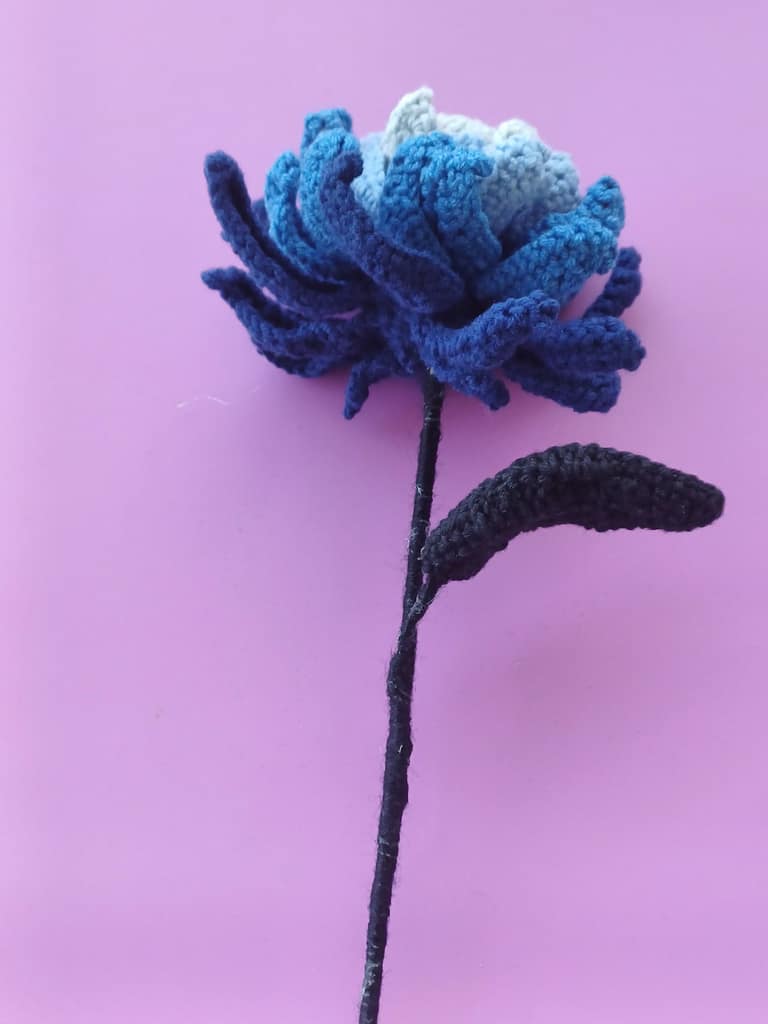
Discover gothic crochet gifts ideas and patterns for dark romantics who love handmade blooms, moody décor, eternal flowers, and weird beauty that never fades.
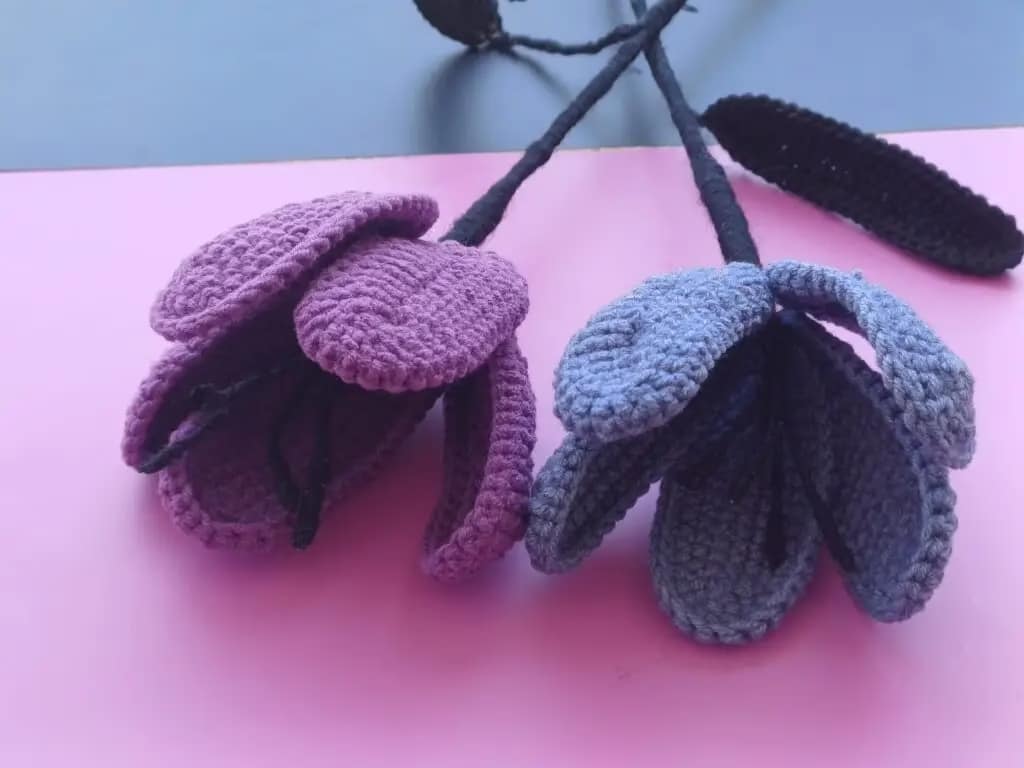
Yarn therapy is real. Here’s how crochet heals stress, boosts mindfulness, and keeps your heart calm while your hook works its quiet magic.
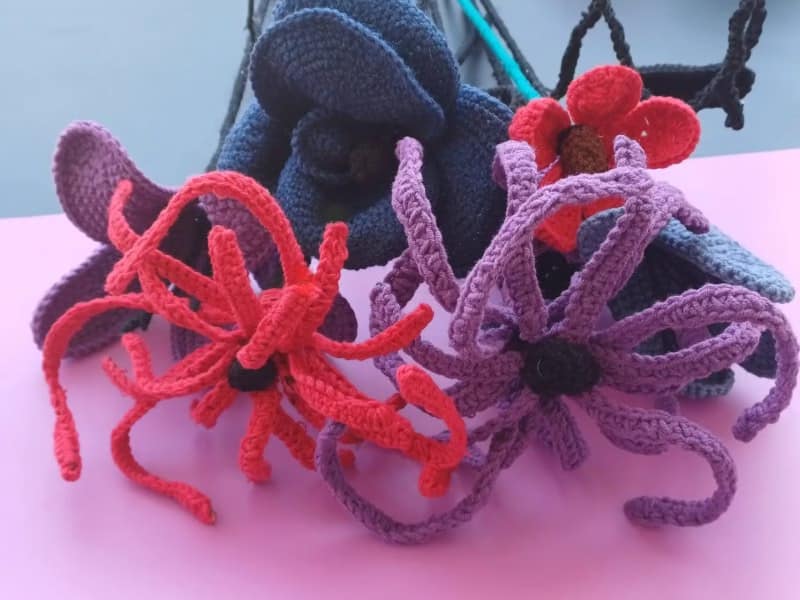
There’s a special kind of joy in crocheting with your favorite series running in the background when your hands move almost on autopilot. That’s Netflix Crochet.
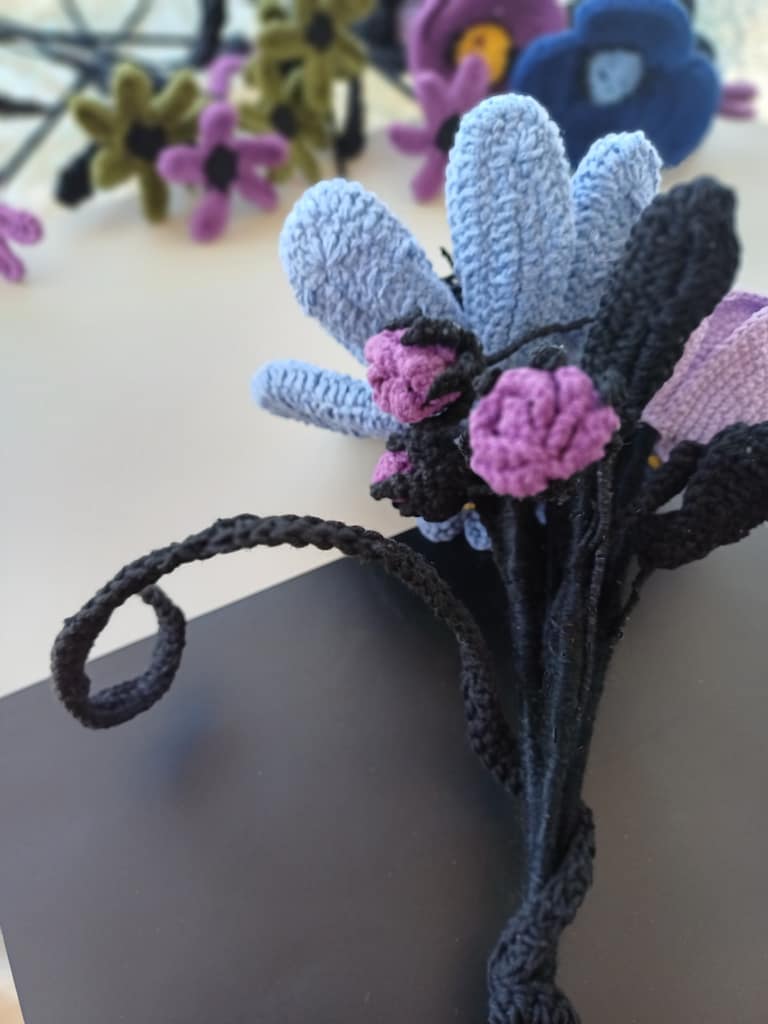
Planning a witchy or gothic wedding? Create a gothic crochet bouquet that lasts forever with moody blooms
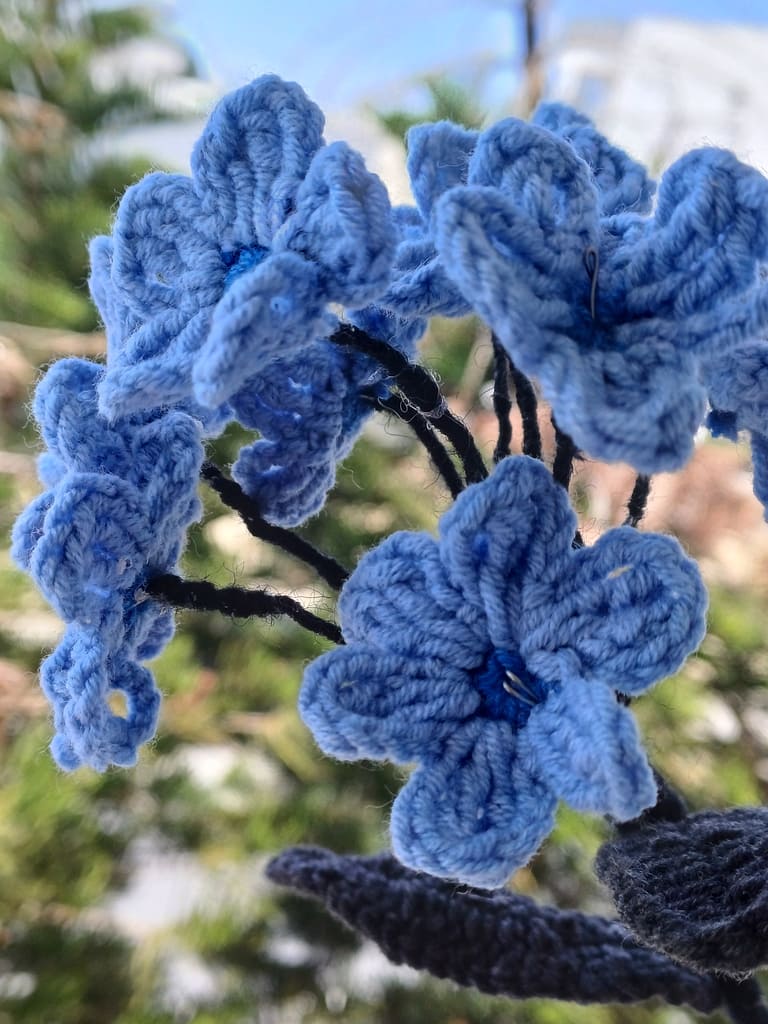
Discover how to crochet a flower that never wilts: moody petals in black yarn, easy steps for gothic eternal blooms. Perfect for witchy bouquets!
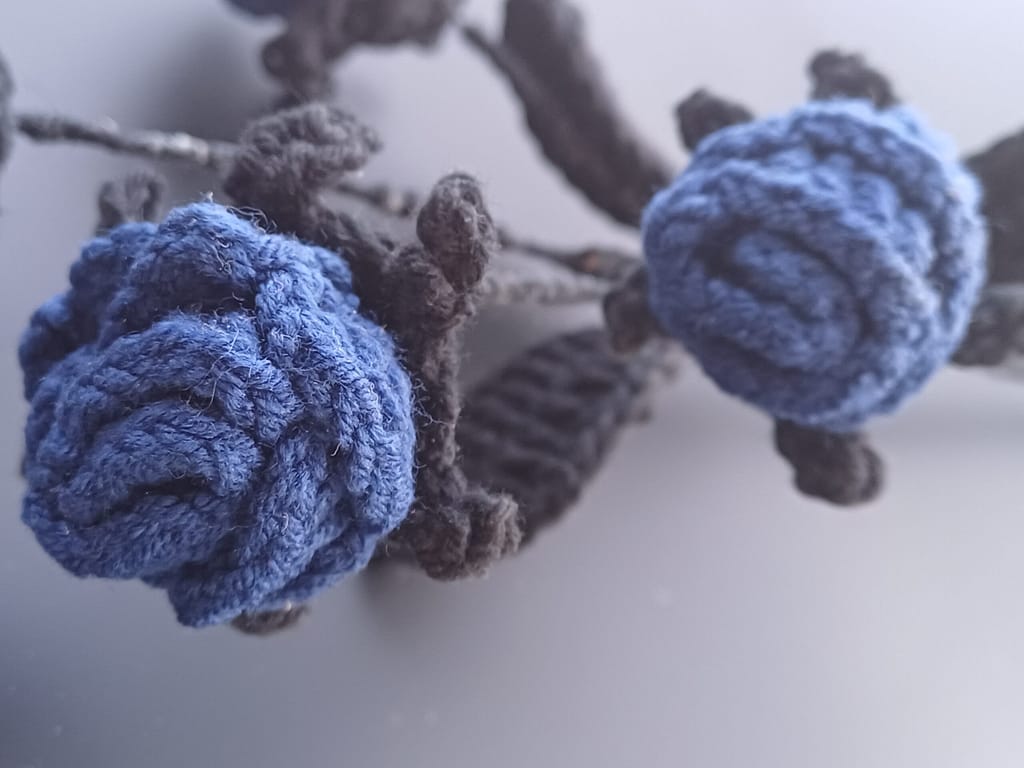
Discover the hidden gothic flower meanings behind gothic flowers like black roses, lilies, and dahlias, and why they speak to the dark-hearted romantic in all of us.
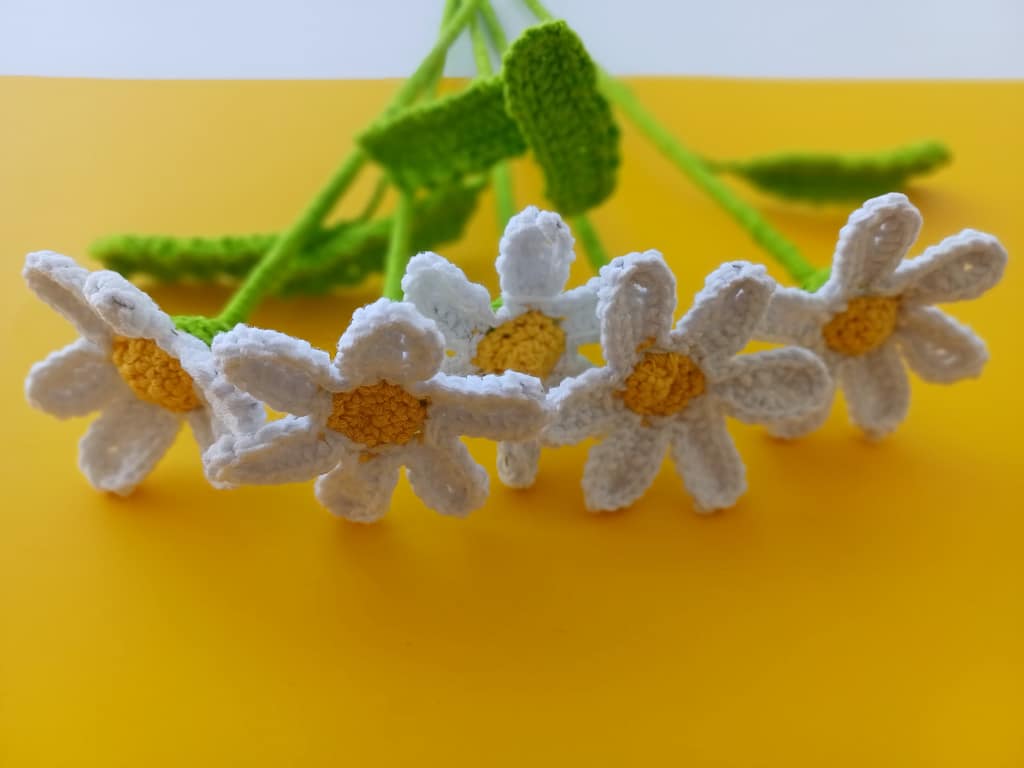
Handmade gifts meaning: love letters woven from yarn & time. Proof someone pondered you for hours, not seconds.
The Skull Poppy crochet pattern is where innocence gets a cheeky makeover. It transforms the delicate poppy into something bold, lasting, and a little spooky.
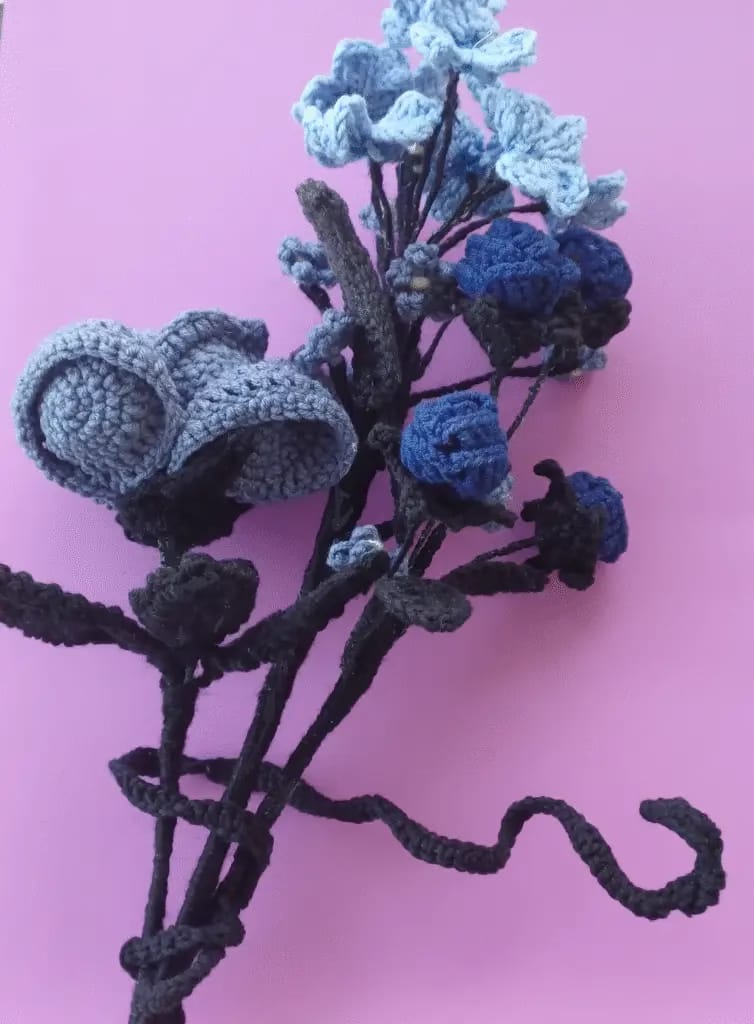
Crochet flowers can be dark and dramatic. Wednesday Addams would approve, and research shows our brains secretly do too.
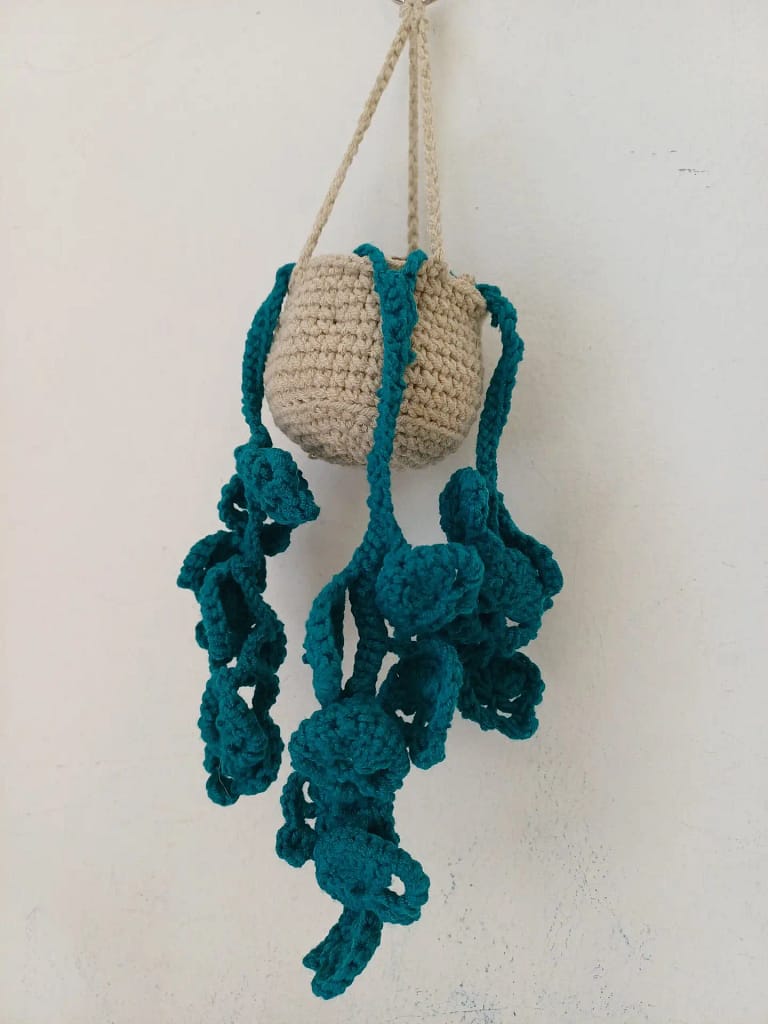
Skull Ivy looks like a sweet hanging vine but look closer and every “leaf” is a tiny skull staring back at you. The ultimate double-take crochet pattern.
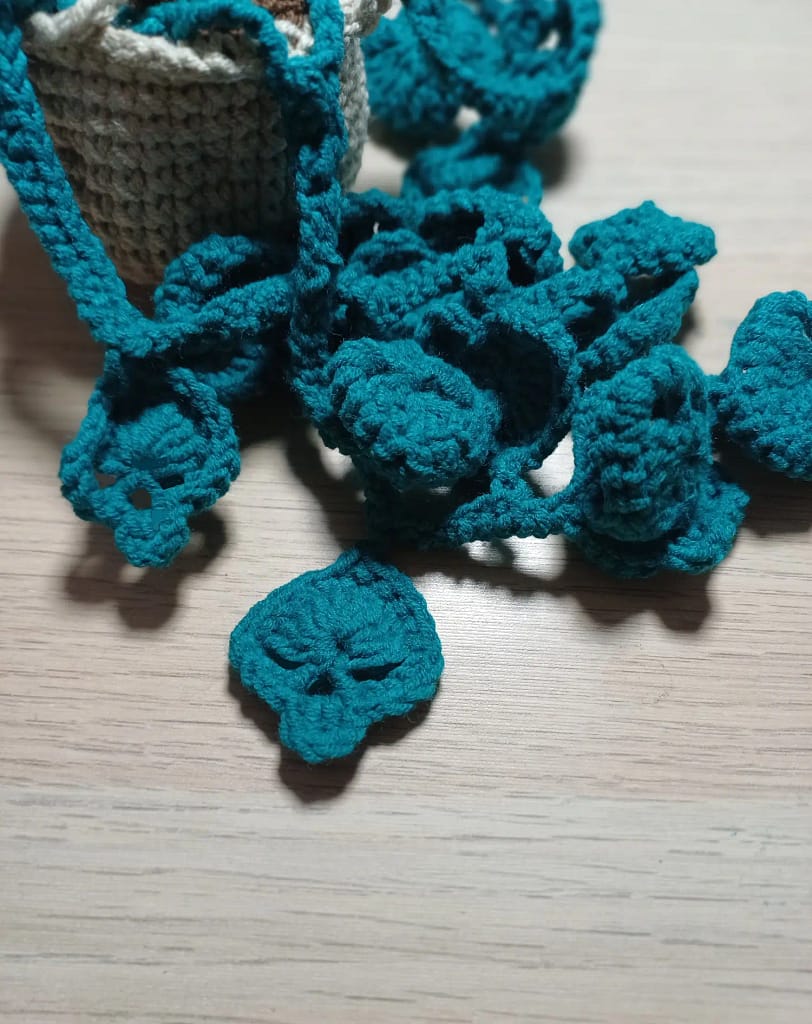
We live in a world where most of what we do with our hands is… tap. Our hands were made for more. For holding, shaping, building, weaving. For making.

Medousa crochet flower appeared while I was daydreaming about alien gardens, Discworld jokes, and the Avatar flora. It is a flower that can look sweet & spooky.
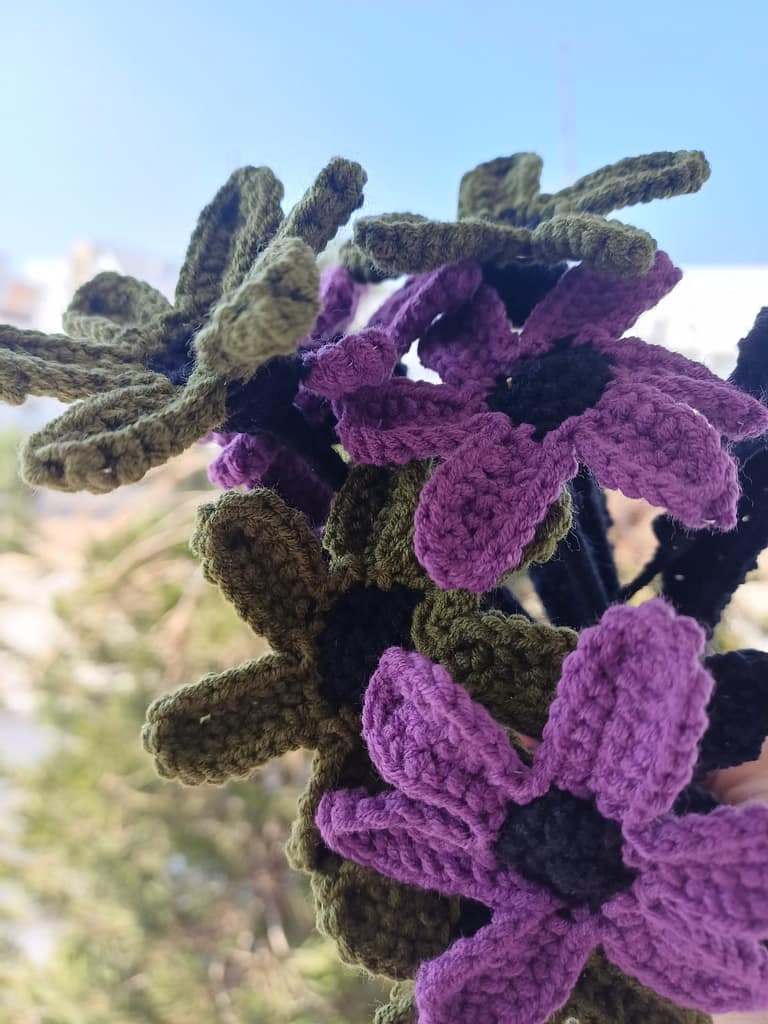
Learning crochet? This beginner’s checklist gives you the right stitches in the right order, short videos, and encouragement to make your projects actually fun.

Choosing the best yarn for crochet flowers can make or break your crochet projects. Cotton or blends? Tiny hooks or chunky ones?
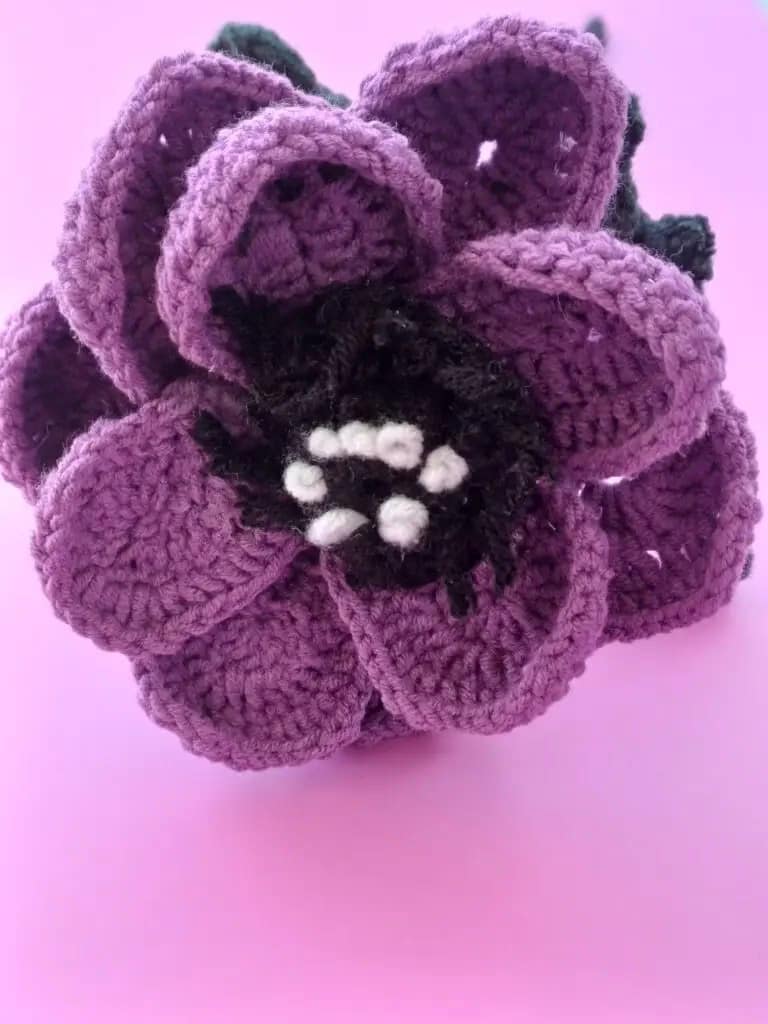
Here are my “repeat offenses”, and why I don’t let them get in the way of making something beautiful.

Crochet a tube: If you’ve ever tried crocheting tiny tubes-like amigurumi necks, hands, or even plant vines, you know the struggle is real. Here’s is how to do it easily.
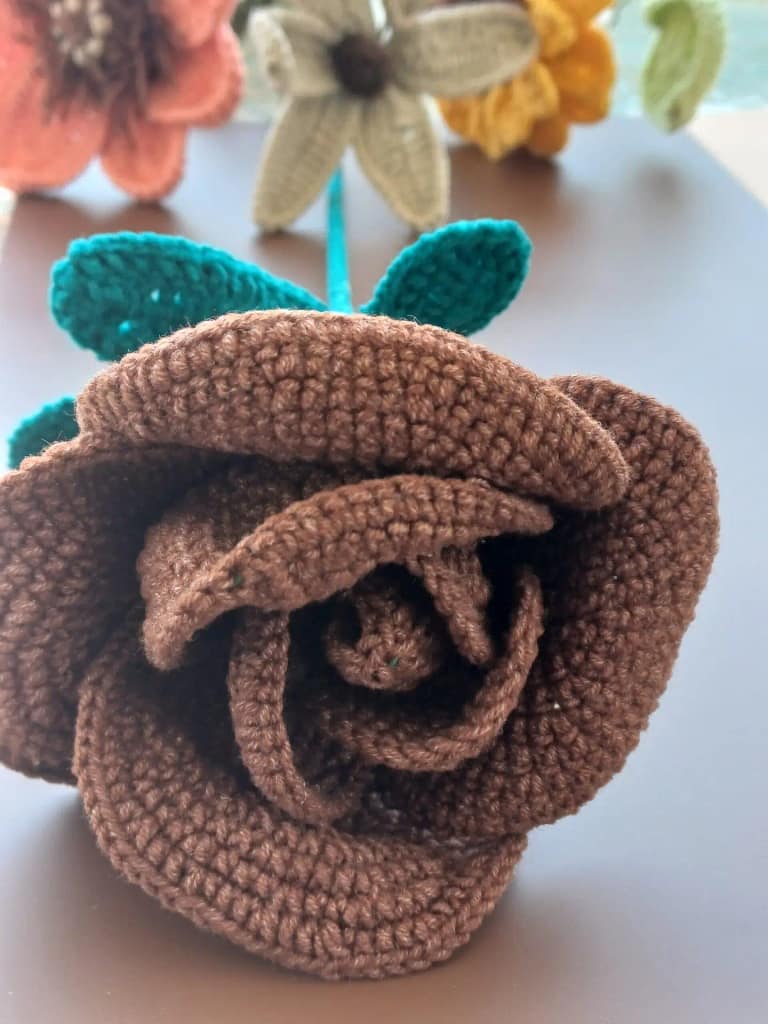
Crocheting isn’t just a hobby. It’s a relaxing activity with powerful mental and emotional benefits. Studies show that crocheting can lower stress, ease anxiety, and even improve focus.
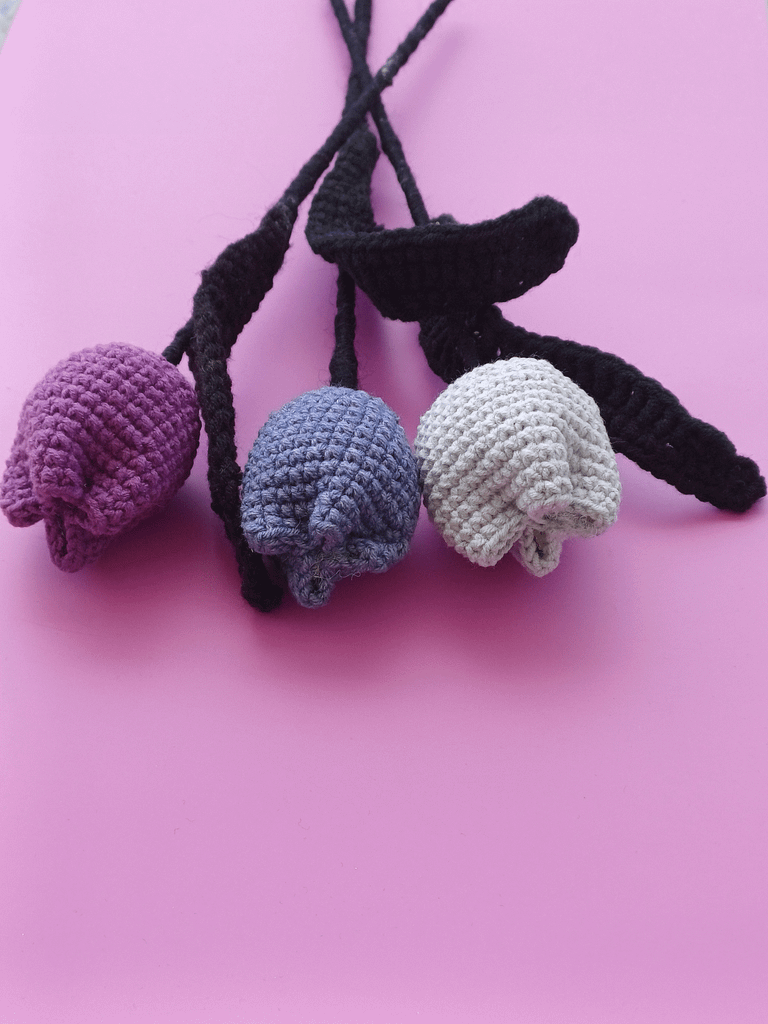
Here’s my personal collection of the quirks, cheats, and “shortcuts” that actually stuck and work like a charm.
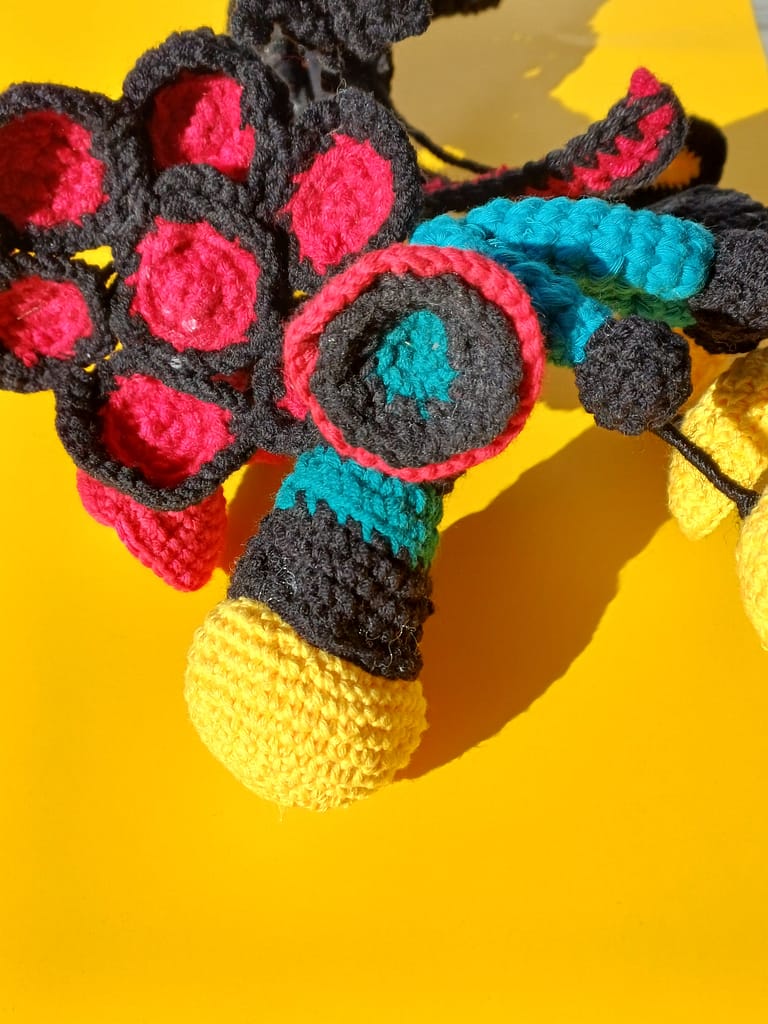
Welcome to Kootsiko, my tiny rebellion made of yarn. This how it all started and my journey so far.